
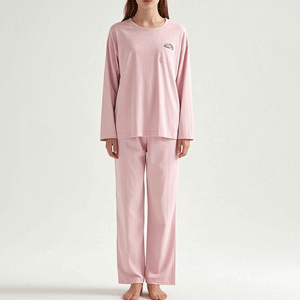
Use pajama set shade matching to tell a finishing-related color change from a mixed bundle before releasing the first packed carton.
Last updated:
How do you check pajama set shade matching after finishing?
For pajama set shade matching, compare a finished top and bottom with the accepted pair under the agreed light. Set aside any combination that looks different and check its material and finishing records. Review a finished pair from the same group before deciding whether to hold stock, separate groups, or correct a packing mix.
Talk about the color of the assembled pair as early as the swatch approval. TopTee’s pajama buying guide discusses approving lab dips and a shade range. A range useful for accepting fabric still needs a decision about which finished garments can be paired. Compare the catalog photos of our red and light neutral sets. They show how the top and bottom are seen together despite different seams and folds. Use the physical reference under controlled light when judging color.
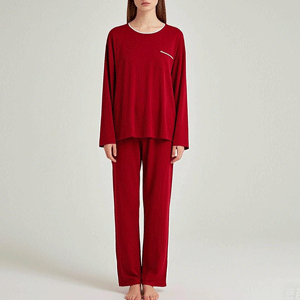
Keep a comparison pair after finishing
Save the approved finished top and bottom together and label the color, style, fabric, and finish. Lay the new pieces near each other in their usual wearing orientation. If one cloth has a visible direction, align it the same way on both pieces. AATCC’s visual assessment procedure covers comparing textile specimens with a standard. Agree on the lights and how to present the fabric before using the comparison to decide what passes.
Put the accepted pair alongside the assembled garments when checking a finish. For a style with contrasting trim, judge the body pair first and assess the trim separately. Our piping wash and sample checks address trim behavior when laundering is part of the brief.
What if both garments pass alone but look different together?
Hold the combination and compare a retained top and bottom of known origin. If the replacement pair matches, work back through the carton and folding records for the original pair. If a known pair still looks different, compare with samples from before finishing when available. Check which operation each piece underwent and whether the finish or application differed. Avoid approving leftover tops for use with the next group solely because they share a color name.
- Same fabric group, difference appears after finishing. Check the finish references and compare material from before and after the relevant operation. Keep the group on hold until the buyer sees an acceptable pair.
- The approved groups pass, but the carton contains an unapproved pairing. Identify affected packed units and repack using pairs from the approved list.
- Garments differ when rotated or under a second agreed light. Check fabric orientation and whether the difference remains when both face the same way. Record the conditions and the decision.
Inspect the first carton after any approved correction, and keep a record of which stock went into it. The pajama quality control guide explains why garment inspection and set checks are separate. Use an internal shade or finish reference in the packing record, alongside the sellable set identifier.

Connect the pairing record to the packed product
Check the content of a finished pack against the approved combination and confirm the outer label identifies the intended product. GS1 US apparel barcode guidance covers identifying and labeling apparel. A barcode can identify the sellable set. Keep the batch and finish information in the production record so the factory can trace a mistaken pairing without relying on the consumer label.
Before releasing the remainder, record the reference pair, the affected group, how the correction was verified, and who released the carton. Bring the physical reference and requested presentation to the pajama sampling team.
Record what the first carton proves
Describe the actual inspection, including which finished pair was used for comparison and whether the held carton contained mixed shade or finish references. If the cause is unresolved, keep the original pair together and photograph each inside tag for identification. Freeze the rest of that packing group until a revised pairing is approved. If the original problem was absence of traceability, mark the replacement carton with the internal group reference used in the check and retain the accepted pair for the next shift.
Questions about finished pajama pairs
Is an approved shade range sufficient to mix groups?
Give the packer an approved pairing list. TopTee’s shade range discussion is about fabric approval. A visible comparison of the assembled pair decides what can be packed together.
Should we approve the pair from a phone photo?
Use photos to identify the samples and record what was checked. Compare the physical garments with the reference under the agreed lights, in line with AATCC’s visual comparison approach.
Does the retail barcode identify the shade group?
Use the retail identifier for the selling unit and maintain the shade group in the order record. GS1’s apparel guidance explains how the retail symbol is used on labels and packaging.