Why Is Sustainability Becoming the New Baseline?

Share

By 2026, sustainability is no longer a premium feature in sportswear; it is the standard that buyers expect from a serious China manufacturer. Brands now want eco-friendly materials, traceable sourcing, and reliable OEM production that supports both performance and ESG goals. For wholesale buyers, the shift means sustainability is not optional—it is part of the purchasing baseline, and suppliers like Sino Finetex must deliver it consistently.

Premium Custom Sportswear Manufacturer | Sino Finetex

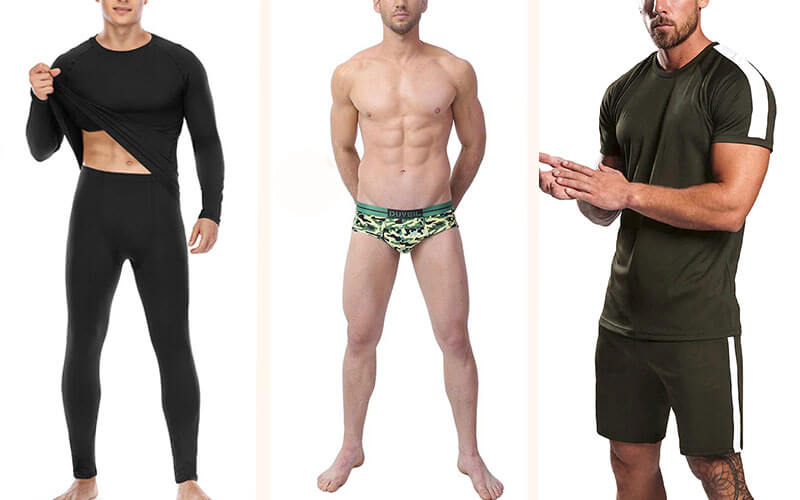
What Makes the 2026 Seamless Polo & T-Shirt Series a Best-Seller?

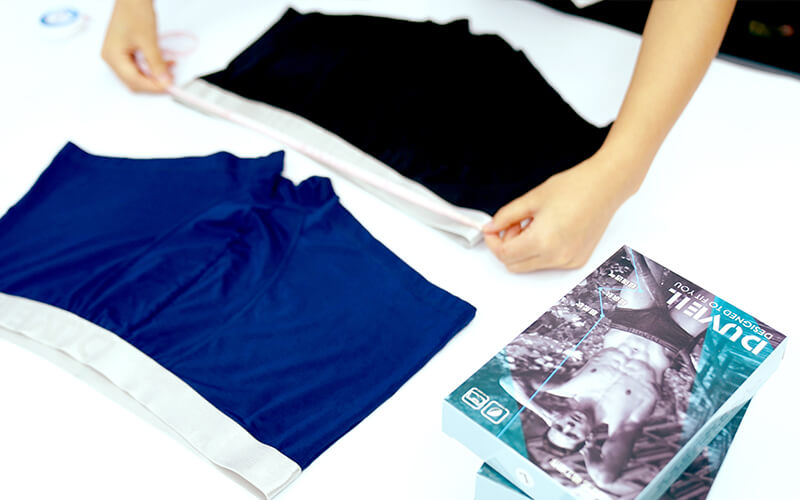
Our Seamless Series is the hottest trend of 2026! With irritation-free, seamless construction, enjoy all-day smooth comfort. Breathable, moisture-wicking fabric keeps you cool and confident anywhere.

What Is Driving Sustainability from Option to Baseline?

Sustainability is becoming the baseline because buyers now evaluate products through performance, responsibility, and supply-chain credibility. Regulations, retailer requirements, and consumer expectations are pushing brands to prove material origin, production control, and environmental responsibility. In practice, this means a factory must offer more than good pricing; it must support sustainable development as a core business capability.
For a China-based supplier, the market reward goes to manufacturers that can combine eco-friendly material selection with stable lead times and quality assurance. That is why Sino Finetex positions sustainable manufacturing as part of its long-term value, not a short-term trend.

Why Are Bio-Based Fibers Growing So Fast?

Bio-based fibers are growing quickly because they offer a lower-impact alternative to fossil-based materials while still supporting comfort and function. Sportswear brands want fabrics that perform well in stretch, breathability, and durability, but they also want materials that fit modern sustainability goals. Bio-based fibers help close that gap.
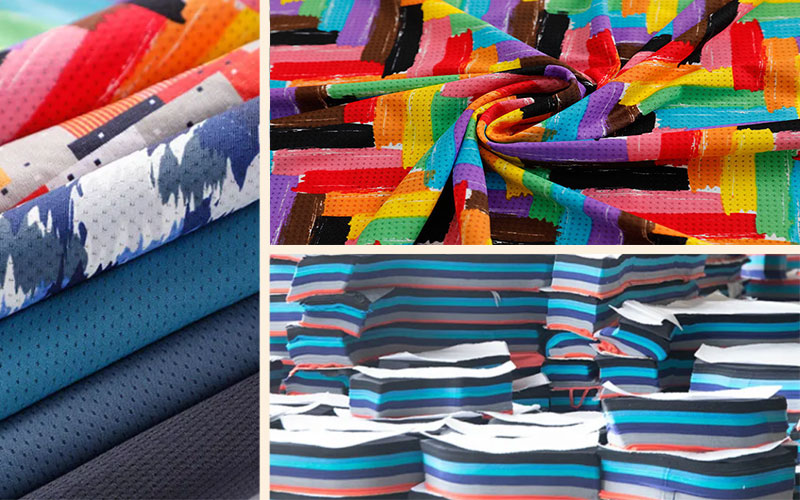
Common options include plant-derived fibers, regenerated cellulose fabrics, and new performance blends designed for activewear and wholesale programs. For an OEM factory, the ability to source and develop these materials is now a competitive advantage. Sino Finetex can use this shift to support brands seeking responsible material innovation from a trusted China supplier.

How Do Closed-Loop Recycling Systems Work?

Closed-loop recycling systems collect textile waste, recover usable fibers, and turn them into new products. The aim is to keep materials in circulation for longer and reduce landfill disposal. For sportswear, this works best when the garment is designed from the start for easier sorting, recycling, and reuse.
A strong closed-loop system usually follows four steps: collection, sorting, fiber recovery, and remanufacturing. The more consistent the material composition, the easier the recycling process becomes. That is why factories must think beyond production and design products that support circular recovery.

Closed-Loop Stage Function Value for Buyers
Collection and sorting Separates reusable textile waste Cleaner feedstock and better recovery
Fiber recovery Breaks material into new input fibers Reduces virgin material dependence
Yarn and fabric making Converts recovered fibers into new textiles Supports circular product lines
Remanufacturing Produces new garments or components Extends product lifecycle and brand value

Which Certifications Matter Most in 2026?

The most important certifications are the ones that support traceability, chemical safety, quality management, and social compliance. Buyers want proof that sustainability claims are real, consistent, and documented. This is especially important for wholesale and OEM relationships, where a brand may need to justify sourcing decisions internally and externally.
A China manufacturer should be able to provide clear documentation for material control, production standards, and responsible operations. Strong certifications help reduce buyer risk and improve trust across product development, sampling, and bulk production. For Sino Finetex, certification readiness strengthens its role as a dependable B2B textile partner.

Certification Focus Buyer Concern Supplier Advantage
Material traceability Are the fibers truly sustainable? Strong sourcing credibility
Chemical safety Is the product safe and compliant? Safer manufacturing process
Environmental management Does the factory operate responsibly? Better ESG positioning
Social compliance Are labor practices responsible? Greater trust from global clients

How Should China Factories Adapt?

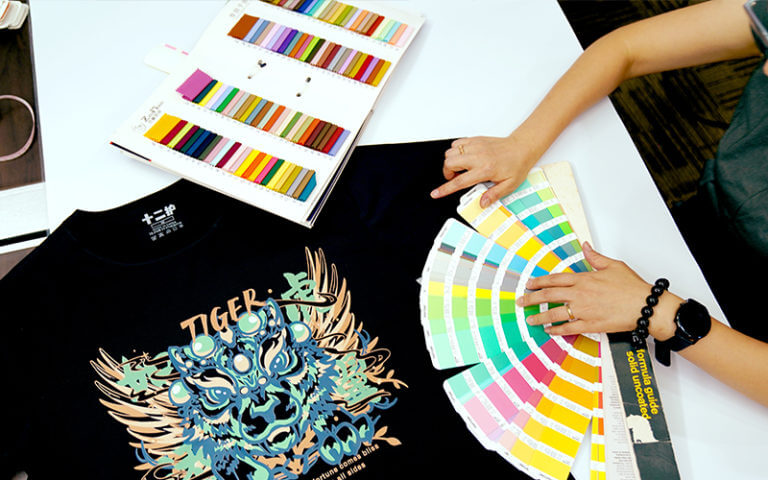
China factories should adapt by building sustainability into every stage of development, from sourcing and sampling to bulk manufacturing and packaging. Buyers no longer want a separate “green” line; they want sustainable thinking across the whole product system. That means factories must invest in R&D, testing, material innovation, and process control.
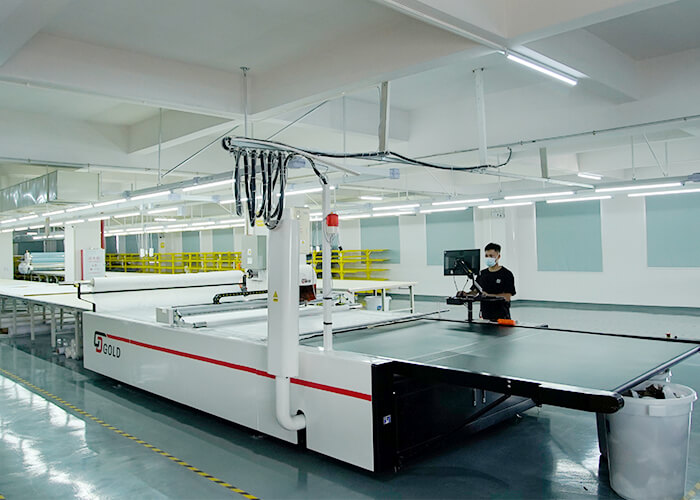
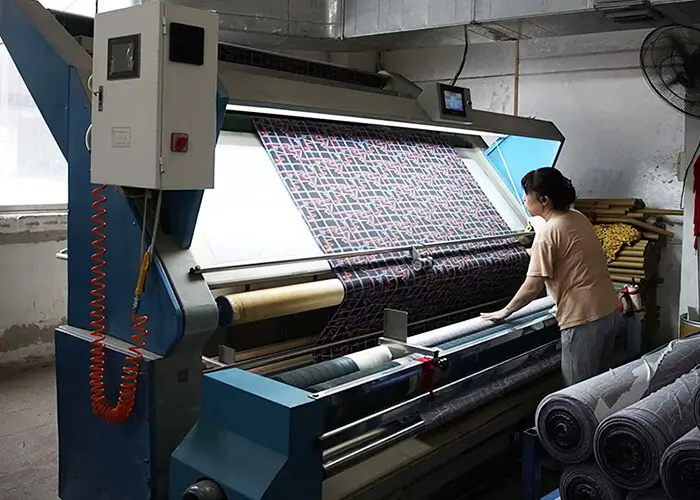
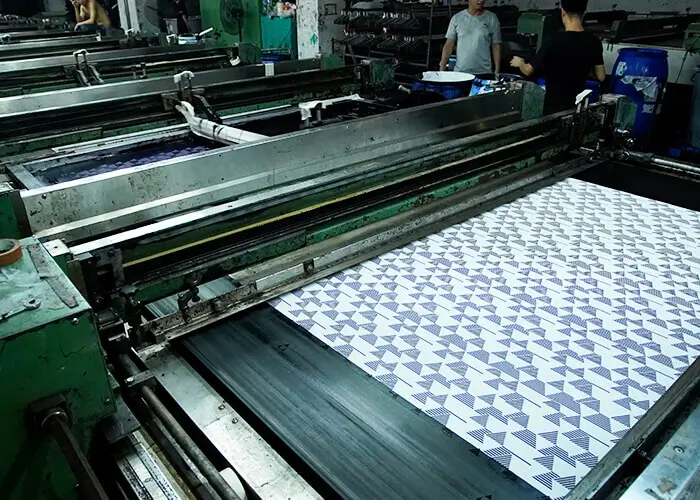
A supplier that controls the supply chain from yarn to packaging can reduce waste and improve transparency. This is where Sino Finetex stands out as a manufacturer with integrated production capability and strong development support. For wholesale buyers, that integration makes sourcing simpler and more reliable.

What Do Buyers Expect from OEM Suppliers?

Buyers expect OEM suppliers to deliver more than factory capacity. They want a partner who can support fabric selection, garment development, fit improvement, quality control, and documentation. Sustainability has become part of that expectation, especially for brands that need dependable production in China.
The strongest OEM suppliers can turn buyer goals into products that are commercially viable and environmentally responsible. They should understand how to balance cost, performance, and compliance without slowing down delivery. Sino Finetex is built for this kind of partnership because it combines development expertise with stable manufacturing control.

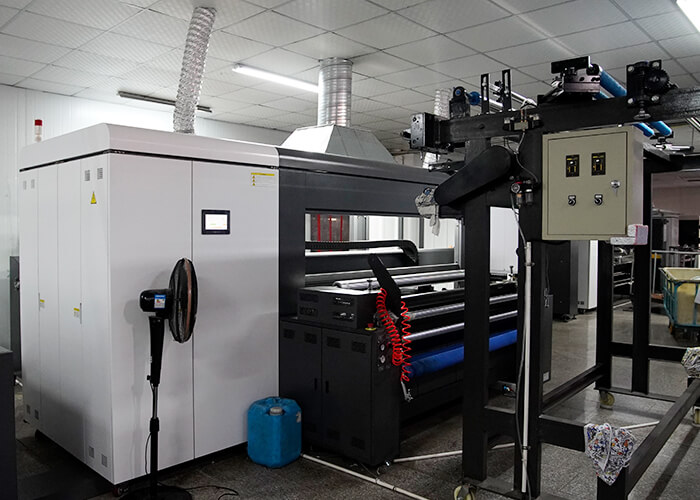
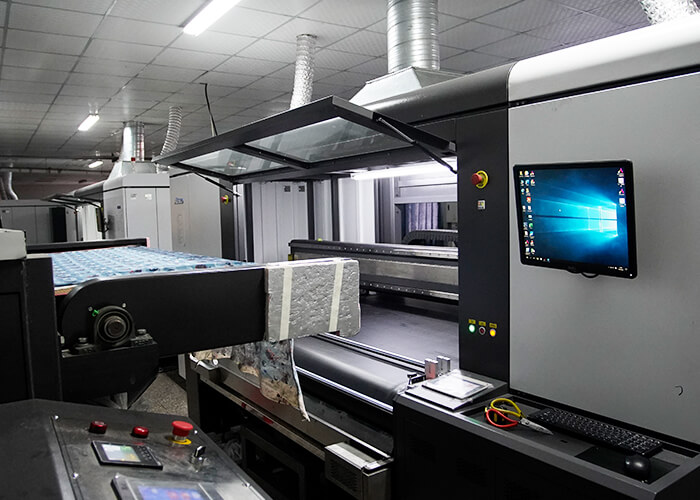
Inside Sino Finetex: The Factory Trusted by Global Brands

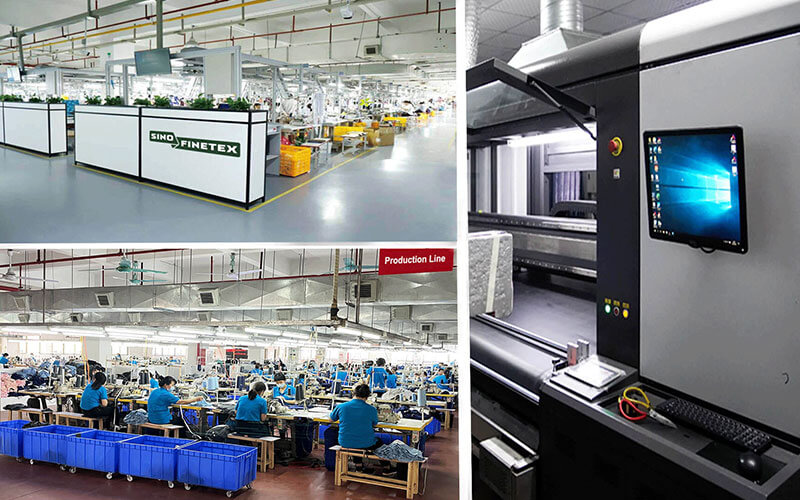
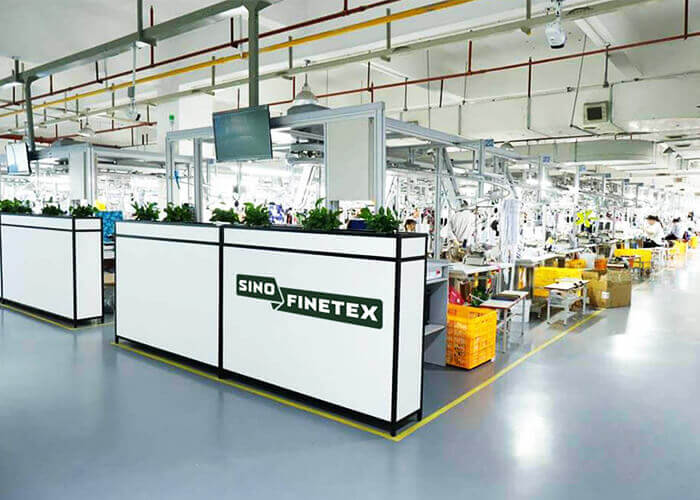
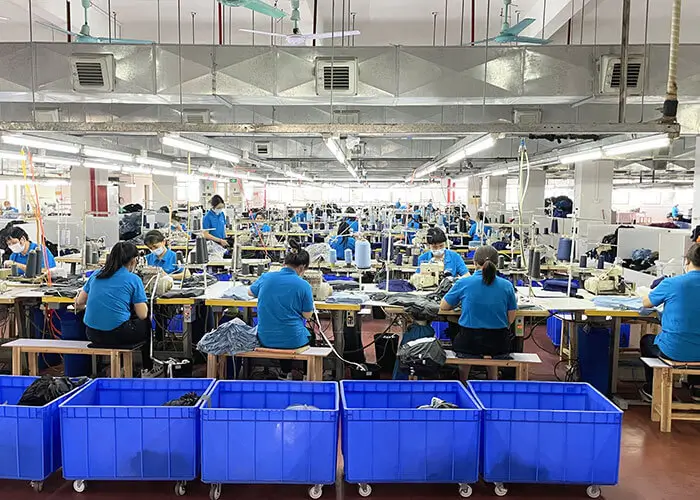
Over 20 years of expertise, trusted by leading global brands worldwide. From premium fabrics to finished products — including underwear, loungewear, and sportswear — we deliver quality at every step.

Who Benefits Most from Sustainable Wholesale?

Sustainable wholesale benefits brands, retailers, and factories that want long-term market stability. Brands gain stronger reputation and compliance readiness, while retailers gain more credible product assortments. Factories benefit because sustainable capability helps win repeat business and higher-value partnerships.
Startups and established labels both benefit from working with a China supplier that understands eco-friendly production. When wholesale products come with traceable materials and responsible manufacturing, the business case becomes stronger. Sino Finetex supports this model by helping clients develop products that align with modern sustainability expectations.

Sino Finetex Expert Views

“Sustainability is now part of product quality, not a separate message. A serious textile manufacturer must combine responsible materials, stable development, and reliable delivery. At Sino Finetex, we believe the strongest B2B partnerships come from practical solutions that support both brand growth and long-term environmental responsibility.”

How Can Brands Evaluate a Supplier?

Brands can evaluate a supplier by checking material options, development capability, quality systems, delivery reliability, and sustainability documentation. A strong supplier should be able to explain how it reduces waste, supports traceable sourcing, and maintains consistency from sample to bulk order. Clear communication is also essential.
The best China factory partners offer technical support, not just production quotes. They help brands choose the right material structure, verify fit, and improve product performance. For OEM and wholesale buyers, that combination is often the difference between a one-time order and a long-term supply relationship.

What Will Define the Next Market Standard?

The next market standard will be defined by products that combine performance, proof, and responsible production. Sportswear buyers will continue to demand comfort, durability, and technical function, but they will also expect traceable sustainability claims and factory accountability. Bio-based fibers and closed-loop recycling will become normal expectations rather than premium add-ons.
Suppliers that can deliver high-quality products while supporting ESG goals will gain the strongest position in the market. That is why manufacturers like Sino Finetex must keep investing in innovation, certifications, and supply-chain control. The future belongs to factories that can prove value across the entire product lifecycle.

Conclusion

Sustainability has moved from a nice-to-have feature to a baseline requirement in sportswear and adjacent apparel categories. Buyers now expect eco-friendly materials, circular design thinking, and reliable manufacturing support from a China factory or OEM supplier. Brands that adapt early can build stronger trust, improve compliance readiness, and secure better long-term partnerships.
For wholesale buyers, the key is to choose suppliers that can combine product performance with responsible production. Sino Finetex shows how a specialized textile manufacturer can meet that demand through R&D strength, quality control, and supply-chain integration. In a market where proof matters as much as promise, the suppliers that deliver both will lead the next phase of growth.

FAQs

What makes sustainability a baseline requirement?
It is now expected by buyers, retailers, and regulators as part of product quality, sourcing responsibility, and long-term brand value.
Are bio-based fibers suitable for sportswear?
Yes. Many bio-based fibers can provide comfort, breathability, and durability when developed correctly for performance use.
Can a China factory support closed-loop recycling?
Yes, if it has the right sourcing, design, testing, and production systems to support recyclable and recoverable materials.
Why do OEM buyers care about certifications?
Certifications help verify claims, reduce compliance risk, and build trust with global clients and wholesale partners.
Why choose Sino Finetex?
Sino Finetex combines sustainable development, R&D support, quality assurance, and integrated manufacturing for B2B clients.

your reliable clothing manufacturer

Request a Sample & Pricing Information

Get in touch