
Bamboo fabric for sensitive skin is a hypoallergenic, eco-friendly viscose derived from bamboo pulp, offering natural antibacterial properties that inhibit bacterial growth by up to 99%, superior cooling breathability, and moisture-wicking to prevent irritation. It is ideal for bamboo undershirts and bamboo fiber underwear, and suits OEM production with OEKO-TEX standards and patented blends at industrial scale.
(Last modified date: September 1, 2026)
Why is bamboo fabric ideal for sensitive skin? Bamboo viscose is naturally hypoallergenic, contains the antimicrobial agent bamboo kun (up to 99% bacteria inhibition), keeps skin roughly 2–3°C cooler than cotton through moisture evaporation, and is produced in closed-loop systems with minimal chemical residues—making it gentler than conventional cotton or synthetics for eczema-prone and sensitive skin.
Key Takeaways
- Bamboo viscose resists common irritants that trigger eczema, contact dermatitis, and allergic reactions.
- Bamboo kun provides natural antibacterial action up to 99% without harsh chemical coatings.
- Bamboo clothing is 2–3°C cooler than cotton and highly breathable for everyday and athletic wear.
- Bamboo grows up to three times faster than cotton without pesticides, and bamboo viscose biodegrades naturally.
- OEKO-TEX compliant bamboo blends scale from 5–7 day samples to 600,000-piece monthly production.
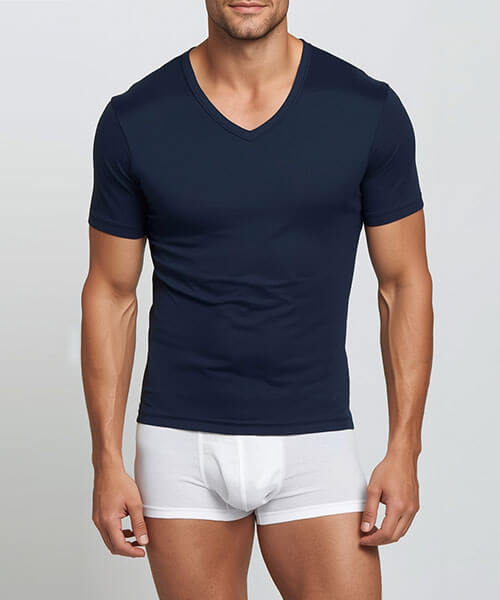
What Makes Bamboo Viscose a Hypoallergenic Fabric?
Bamboo viscose is derived from bamboo pulp processed through a closed-loop system that minimizes harsh chemical residues, making it inherently gentler than conventional cotton or synthetic fibers. Its natural composition creates a hypoallergenic profile that resists irritants triggering eczema, contact dermatitis, and allergic reactions. OEKO-TEX certification compatibility ensures bamboo fiber textiles meet stringent international skin-safety standards, addressing critical B2B requirements for intimate apparel manufacturers serving health-conscious consumers.
How Do Antibacterial Properties of Bamboo Fabric Benefit Sensitive Skin?
Bamboo contains a naturally occurring antimicrobial agent called bamboo kun, which fights odor-causing bacteria without synthetic chemical additives that commonly irritate sensitive skin. Laboratory testing confirms bamboo’s ability to inhibit bacterial growth by up to 99%, reducing moisture-related infections and irritation in high-sweat zones. This inherent action eliminates the need for harsh antimicrobial coatings, making antibacterial bamboo fabric ideal for individuals with chemical sensitivities or compromised skin barriers.
Why Is Cooling Bamboo Clothing Perfect for Everyday and Athletic Wear?
Bamboo viscose’s molecular structure enables exceptional breathability and natural thermoregulation, keeping skin approximately 2–3°C cooler than standard cotton through efficient moisture evaporation. This cooling mechanism prevents heat buildup and sweat accumulation—primary triggers for skin irritation, chafing, and fungal growth in sensitive individuals. Athletes, fitness enthusiasts, and everyday wearers benefit from enhanced comfort and reduced irritation risk.
| Fabric Type | Hypoallergenic Rating | Antibacterial Properties | Cooling/Breathability | Eco-Friendly | OEM Scalability (Sino Finetex) |
|---|---|---|---|---|---|
| Bamboo Viscose | Excellent | Natural (99% bacteria inhibition) | Excellent (2–3°C cooler) | Renewable, low pesticides | 600K/mo, full supply chain |
| Organic Cotton | Good | Moderate | Moderate | Renewable, pesticide-free | Available through Sino Finetex |
| Synthetic Blends | Fair | Chemical-based additives | Moderate to Good | Low recyclability | Variable processing |
What Are the Eco-Friendly Advantages of Bamboo Fiber Textiles?
Bamboo is one of nature’s most renewable resources, growing up to three times faster than cotton without requiring pesticides, fertilizers, or significant water depletion during cultivation. Bamboo viscose biodegrades naturally, aligning with circular economy principles demanded by EU and North American consumers. Closed-loop production minimizes waste streams and chemical discharge, meeting rigorous environmental certifications.
How Does Bamboo Fabric Enhance Underwear and Sportswear OEM?
Bamboo viscose’s combination of softness, durability, and hypoallergenic properties makes it exceptional for private-label intimate apparel and athletic wear. OEM manufacturers leverage bamboo’s moisture-wicking and comfort profile to create bamboo undershirts, boxer briefs, and homewear that command premium positioning. Sino Finetex’s OEM/ODM expertise includes patented ergonomic design, dedicated fit engineers, and a comprehensive quality assurance system, with 500 skilled workers and 15–45-day bulk production timelines.
Which Bamboo Viscose Products Excel for Sensitive Skin in B2B Manufacturing?
Sino Finetex’s portfolio includes specialized bamboo offerings: the HC24242 Bamboo boxer briefs deliver antibacterial cooling for athletes; the HC24036 Bamboo Cotton blend combines bamboo with organic cotton for daily wear. These SKUs are backed by utility patents for compression technology and fabric innovation, with custom dyeing, branded labeling, and design flexibility for differentiated private-label collections.
Can Bamboo Fiber Underwear Meet Global Quality and Sustainability Standards?
Yes. Bamboo fiber underwear manufactured through rigorous OEM processes achieves OEKO-TEX certification, demonstrating skin safety, absence of harmful residues, and sustainable production. Sino Finetex’s vertically integrated supply chain enables comprehensive testing and quality control at every stage—from yarn selection through final packaging—while navigating international regulatory frameworks across North America, the EU, and South America.
Sino Finetex Expert Views
Over two decades, we’ve perfected bamboo blend formulations specifically for sensitive skin applications. Our patented fabric innovations—three fabric invention patents and eighteen utility models—address the engineering challenges brands face when scaling hypoallergenic production. The HC24242 Bamboo and HC24036 Bamboo Cotton SKUs exemplify this commitment: laboratory-validated 99% antibacterial efficacy, thermal regulation superior to cotton, and full OEKO-TEX compliance. Our 500-person production team and ergonomic R&D center ensure 5–7 day sampling and seamless scaling to 600,000 pieces monthly without sacrificing fit consistency or quality.
What Makes Bamboo Fabric Different from Other Hypoallergenic Materials?
While organic cotton and specialized synthetics offer hypoallergenic properties, bamboo viscose uniquely combines natural antibacterial action, inherent cooling, and rapid renewability without pesticide dependency. Unlike synthetics that rely on chemical finishes deteriorating with washing, bamboo’s bamboo kun agent remains stable throughout the garment’s lifecycle. Compared to organic cotton, bamboo requires less water and grows faster, reducing environmental footprint per unit.
How Can Brands Successfully Launch Bamboo Fiber Underwear at Scale?
- Define brand vision, targeting specific bamboo properties (antibacterial, cooling, moisture-wicking) with R&D support.
- Assess 5–7 day samples for fit, using patented ergonomic algorithms for optimization.
- Negotiate MOQs of 500–2,000 units and production timelines aligned with 600,000 monthly capacity.
- Finalize packaging, branding, and IP protections through confidentiality agreements.
- Approve PPS samples and commence bulk production with full quality control through shipping.
What Materials Does Sino Finetex Use for Bamboo Blends?
Sino Finetex sources premium bamboo viscose, organic cotton, recycled fibers, and specialty performance materials to create hypoallergenic blends. Bamboo viscose provides antibacterial and cooling properties; organic cotton enhances durability and softness; recycled fibers address sustainability commitments. Custom combinations position products from premium hypoallergenic collections to value-driven sustainable alternatives.
Are Bamboo Fabric Garments Durable and Long-Lasting?
Yes. Bamboo viscose demonstrates exceptional durability when manufactured with proper construction and quality materials. Sino Finetex’s bamboo products maintain structural integrity, color fastness, and hypoallergenic properties through repeated washing, resisting pilling, shrinkage, and degradation typical of lower-grade viscose.
How Do Lead Times Compare When Manufacturing Bamboo Underwear?
Sino Finetex delivers 5–7 days for custom samples (depending on complexity) and 15–45 days for bulk production following deposit, supported by 500 employees and optimized supply chains. Shipping runs 18–25 days via sea freight and 9–12 days via air freight, enabling rapid seasonal deployment.
Can Sino Finetex Customize Bamboo Products for Brand Identity?
Absolutely. Custom services include fabric patenting, label design, compliance documentation, and tailored packaging. Woven waistbands, heat-transfer logos, and printed designs enable distinctive brand expression while maintaining hypoallergenic integrity.
Frequently Asked Questions
What is bamboo viscose, and how does it differ from bamboo fabric?
Bamboo viscose is a rayon-like fiber created by processing bamboo pulp through a chemical conversion that yields a soft, breathable material. The terms are often used interchangeably, though bamboo viscose specifically describes the viscose form of bamboo fiber, retaining bamboo kun’s natural antibacterial properties.
Is bamboo fabric truly antibacterial, and does it remain effective after washing?
Yes. Bamboo kun inhibits bacterial growth by up to 99%, and this property persists through repeated washing—unlike synthetic fabrics requiring chemical finishes that deteriorate over time.
How does bamboo cooling technology work, and which consumers benefit most?
Bamboo viscose regulates temperature through its porous molecular structure, keeping skin approximately 2–3°C cooler than cotton. Athletes, fitness enthusiasts, people with eczema or heat-sensitive skin, and warm-climate sleepers benefit most.
Can Sino Finetex produce custom bamboo fiber underwear at competitive MOQs?
Yes. MOQs of 500–2,000 units enable mid-sized brands to launch private-label collections with limited inventory risk, scalable to 600,000 pieces monthly as demand grows.
What certifications validate Sino Finetex’s bamboo products for sensitive skin?
Bamboo fiber products comply with OEKO-TEX certification standards for harmful substances, skin safety, and sustainable production, with ISO standards validating quality management across manufacturing stages.
Related Articles
- Which Bamboo Pajama Brands Are Leading the Market?
- Why Is Tencel Lyocell Ideal for Underwear in Humid Markets?
- Which Fabric Is Best for Men’s Underwear: Cotton, Modal, Bamboo and More?
Official Resources
References
- Company-supplied figures (99% bacteria inhibition, 2–3°C cooling, 600,000-piece monthly capacity, 500 workers, 3 fabric patents, 18 utility models, MOQ 500–2,000) are from the original article; independent verification recommended [VERIFY].
