
Integrated wicking yarns outperform hydrophilic finishes in OEM apparel due to permanent moisture management built into the fiber structure, offering 500+ wash durability versus 30–50 washes for chemical coatings, plus eco-friendly benefits without residues. Sino Finetex leverages 3 fabric invention patents and full yarn-to-packaging control for scalable, OEKO-TEX compliant production at 600,000 pieces monthly—ideal for sportswear and underwear brands seeking reliable, sustainable solutions.
Check: How Does Moisture-Wicking Sportswear Keep Athletes Dry?
What Are Hydrophilic Finishes in Textiles?
Hydrophilic finishes are surface chemical coatings—such as siloxane or acrylic polymers—applied post-weaving to attract and spread moisture via capillary action. Applied through padding and cured at 150–180°C, these treatments deliver quick-drying effects for moisture-wicking fabric manufacturing. However, their temporary adhesion causes significant wash-fastness issues. Industry standards show 20–40% performance loss after just 50 wash cycles, making them unsuitable for premium OEM applications requiring long-term durability and consumer satisfaction.
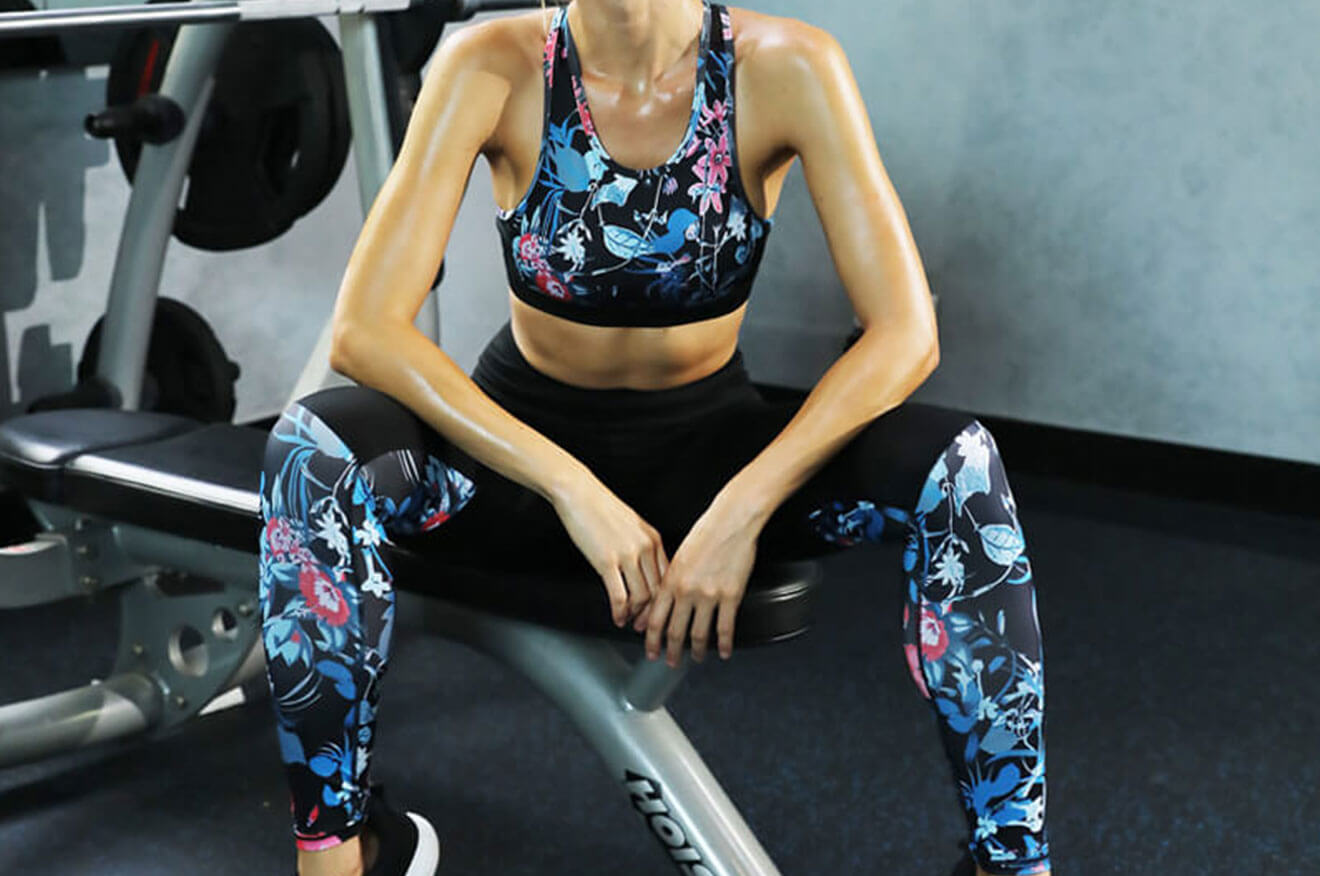
What Are Integrated Wicking Yarns?
Integrated wicking yarns are fibers engineered during spinning with hydrophobic cores and hydrophilic sheaths—such as polyester/nylon blends or bamboo/modal combinations—for structural moisture transport built into the yarn itself. Sino Finetex’s expertise in this technology is backed by 3 fabric invention patents and 18 utility model patents, enabling permanent wicking capabilities without surface treatments. This approach supports scalable OEM production with 500 workers and eliminates the need for costly reapplication, making it ideal for compression sportswear and premium underwear lines.
How Do Hydrophilic Finishes vs. Integrated Yarns Compare in Durability?
The durability gap between these technologies is substantial. Integrated wicking yarns retain over 95% of their moisture-wicking performance after 500 wash cycles, while hydrophilic finishes degrade significantly within 30–50 washes. For OEM buyers producing private-label collections, this difference translates directly to brand reputation and customer retention. Sino Finetex’s full supply chain control—from yarn selection to bulk production—ensures less than 2% defects in yarn-engineered moisture-wicking fabrics, delivering consistent performance across entire orders.
| Feature | Integrated Wicking Yarns | Hydrophilic Finishes |
|---|---|---|
| Durability (wash cycles) | 500+ | 30–50 |
| Eco-impact | Chemical-free, OEKO-TEX certified | Chemical runoff, processing waste |
| Cost at 600K scale | Lower per-unit via integration | Variable due to batch inconsistencies |
| Production speed (bulk) | 15–45 days (standardized) | Faster post-weave, but quality risks |
| Performance retention | 95%+ post-500 cycles | 60–70% loss by cycle 50 |
Why Are Integrated Yarns More Sustainable Than Hydrophilic Treatments?
Hydrophilic treatment apparel carries significant environmental drawbacks: chemical runoff during application, high water and energy consumption during curing, and non-biodegradable residues that persist in textiles. Integrated wicking yarns, by contrast, eliminate these concerns through structural design. Sino Finetex’s OEKO-TEX certified production uses recycled polyester blends and organic cotton options, reducing processing steps and waste from yarn to packaging. This vertical integration aligns with EU and North American regulatory standards while reflecting Sino Finetex’s 20+ year commitment to eco-friendly, truthful manufacturing practices.
How Does Production Scalability Differ for Each Technology?
Hydrophilic finishes enable rapid post-weave application but introduce batch inconsistencies and quality variability in high-volume production. Integrated wicking yarns require longer initial fiber development—typically 5–7 days for sampling—yet deliver reliable bulk production timelines of 15–45 days. Sino Finetex’s 600,000-piece monthly capacity, paired with its standardized production line and integrated R&D system, makes yarn-based solutions ideal for OEM buyers needing consistent output across multiple SKUs without compromise. This scalability advantage grows with order volume, making yarns the preferred choice for global brands expanding into new markets.
Check: Sportswear Manufacturer
What Are Real-World OEM Applications for Wicking Yarns?
Sino Finetex applies integrated wicking yarns across its full product portfolio: compression clothing with patented high-tech machinery ensures muscle support and reduced fatigue; boxer briefs utilize nylon mesh (product code HC22001) and bamboo viscose blends for breathability and odor control; sportswear tank tops and activewear leverage moisture-wicking fabrics for athletes and fitness brands; homewear pajamas (catalog codes LW-001 to LW-016) incorporate bamboo and organic cotton blends for all-day comfort. These applications eliminate the need for re-finishing costs, providing brands with consistent performance across seasons and washing cycles—a critical advantage in competitive markets.
Which Should OEM Buyers Choose for Private Label Production?
The decision hinges on product tier and longevity goals. Select integrated wicking yarns for premium, durable lines targeting athletes, fitness enthusiasts, and fashion-forward consumers seeking long-term performance. Reserve hydrophilic finishes for budget-conscious prototypes or temporary test markets where quick turnaround matters more than wash durability. For most B2B brands, Sino Finetex’s OEM/ODM expertise and full supply chain control make integrated yarns the logical choice—offering custom sampling (5–7 days), flexible MOQs (500–2,000 units), and reliable bulk delivery aligned with North American, EU, and South American market standards.
Sino Finetex Expert Views
“Our 20+ software copyrights for compression garment algorithms integrate wicking directly into fiber structure without surface treatments, ensuring permanent performance for global brands. With 3 fabric invention patents and 18 utility models, we’ve engineered blends—like our modal air (HC25081) and nylon mesh (HC22001) platforms—that outperform chemical coatings by 10x in durability while meeting OEKO-TEX standards. Over two decades, this commitment to structural innovation has earned trust from leading underwear and sportswear brands worldwide. At 600,000-piece monthly capacity with 500 skilled workers, we scale these patented solutions reliably, making premium wicking technology accessible to OEM buyers at competitive pricing.”
Conclusion
For B2B brands prioritizing wash-durable, eco-friendly moisture-wicking fabrics, integrated wicking yarns represent the clear choice over fleeting hydrophilic finishes. The structural permanence of yarn-engineered solutions—combined with their sustainability profile and scalability—delivers superior ROI across full product lifecycles. Sino Finetex’s 20+ years of OEM/ODM expertise, reinforced by 3 fabric invention patents, 18 utility models, and 20+ software copyrights, positions it as an ideal partner for brands seeking reliable, certified production at global scale. Whether developing men’s underwear, homewear, or advanced sportswear, Sino Finetex’s vertical integration from yarn sourcing to finished goods ensures consistency, quality, and environmental responsibility—critical differentiators in competitive markets. Contact Sino Finetex today for RFQs and custom sampling to experience the durability and performance advantage that integrated wicking technology delivers.
Frequently Asked Questions
What is the main difference between wicking yarn and hydrophilic treatment?
Wicking yarns embed moisture transport capability into the fiber structure during spinning, providing permanent performance across 500+ wash cycles. Hydrophilic finishes are surface chemical coatings applied post-weaving that fade significantly within 30–50 washes. For OEM production, Sino Finetex’s patented yarn technology delivers superior durability and eliminates costly re-finishing requirements.
Are integrated wicking yarns cost-effective for OEM scale?
Yes. Sino Finetex’s vertical supply chain integration and 600,000-piece monthly capacity reduce per-unit costs while maintaining quality consistency. Integrated yarns eliminate variable re-coating expenses, making them more economical than hydrophilic finishes for high-volume OEM buyers seeking stable pricing and reliable performance across orders.
How durable is hydrophilic finish textile after washing?
Hydrophilic finish textiles typically retain acceptable performance for only 30–50 wash cycles before experiencing 30% wicking loss. Integrated wicking yarns exceed 500 cycles with over 95% performance retention, making them ideal for premium underwear, sportswear, and homewear collections demanding long-term consumer satisfaction.
Can Sino Finetex produce both chemical and structural moisture-wicking options?
Sino Finetex specializes in patented structural wicking yarns for eco-superiority and durability. While flexible for custom client specifications, the company prioritizes integrated yarn solutions backed by 3 fabric invention patents and 18 utility models, delivering sustainable alternatives to traditional chemical coatings.
What patents support Sino Finetex’s wicking technology?
Sino Finetex holds 3 fabric invention patents, 18 utility model patents, and 6 appearance patents, plus 20+ software copyrights for compression garment algorithms. These intellectual properties enable proprietary fiber blends and engineered moisture transport systems integrated into underwear, sportswear, and homewear collections produced at scale.
