
In 2026, custom OEM wins for apparel brands seeking differentiation, sustainability, and scalability, outperforming private label‘s speed for stock designs. Custom OEM offers high customization via patented fits and full supply chain control (yarn-to-packaging), ideal for underwear/sportswear, while private label suits quick, low-cost launches. Sino Finetex’s 20+ years, 3 fabric patents, and 600K monthly capacity prove OEM’s edge with 5-7 day samples.
Check: Best 10 Custom Underwear Manufacturers in China in 2026 for Global Brands
What Makes the 2026 Seamless Polo & T-Shirt Series a Best-Seller?
Our Seamless Series is the hottest trend of 2026! With irritation-free, seamless construction, enjoy all-day smooth comfort. Breathable, moisture-wicking fabric keeps you cool and confident anywhere.What Is Private Label Sourcing in Apparel Manufacturing?
Private label sourcing uses a factory’s existing stock designs with minor branding tweaks like labels and packaging, ideal for underwear and homewear brands needing fast market entry. Pros include lower upfront costs, shorter lead times of 15-30 days, and minimal R&D needs; cons are limited uniqueness and potential quality variability without full oversight. This model fits B2B underwear sourcing for retailers testing trends via private label underwear manufacturers.
What Defines Custom OEM in Underwear and Sportswear Production?
Custom OEM builds products from client specifications or scratch, including design, fitting, and patented tech integration for branded uniqueness in underwear and sportswear. Pros offer full IP control, superior fit via algorithms like Sino Finetex’s 20+ software copyrights, and eco-materials; cons involve higher initial costs and timelines of 15-45 days total with 5-7 day samples. It powers custom underwear branding and custom sportswear OEM for fitness brands.
| Aspect | Private Label (Stock Designs) | Custom OEM (Build from Scratch) |
|---|---|---|
| Customization | Low (logo/packaging only) | High (full design, patented fits) |
| Cost | Lower upfront (~20-30% savings) | Higher initial, efficient at scale |
| Lead Time | 15-30 days | 15-45 days (5-7 day samples) |
| Differentiation | Generic, market saturation risk | Unique, IP-protected branding |
| 2026 Fit | Speed for trends | Sustainability + performance via patents |
How Do Private Label and Custom OEM Compare on Costs and Speed?
Private label minimizes tooling and R&D costs, offering 20-30% upfront savings versus OEM, but custom OEM scales better for bulk with capacities like 600K pieces monthly. Private label excels in rapid prototyping at 15-30 days, while OEM provides reliable timelines through vertical integration despite added complexity from 5-7 day sampling. In 2026, rising eco-demands favor OEM’s material control over private label generics.
Sino Finetex Expert Views: Why Does Patented OEM Outshine Private Label in 2026?
“With over 20 years partnering global underwear and sportswear brands, Sino Finetex combines stock speed with custom innovation. Our 3 fabric invention patents, 18 utility model patents, 6 appearance patents, and 20+ compression garment algorithm copyrights enable perfect ergonomic fits in products like boxer briefs (e.g., HC25081 Modal Air) and compression shirts. Full supply chain control from yarn to packaging, 500 workers, and 600,000 pieces monthly capacity ensure eco-friendly, OEKO-TEX certified production with 5-7 day samples and 15-45 day bulk timelines. This hybrid edge meets 2026 demands for sustainability and performance, outshining generic private label for B2B brands in North America, EU, and South America.”
— Sino Finetex R&D Team
What Are the Key Risks and Benefits for B2B Brands Choosing Each Model?
Private label risks include IP overlap and inconsistent quality, but benefits low MOQ entry for private label apparel manufacturers. Custom OEM offers exclusivity and sustainability via patents, with risks like dependency on factory R&D mitigated by Sino Finetex’s proven track record in men’s briefs, jockstraps, and yoga clothing. Strategic tip: Hybrid approach—start with private label, scale to OEM for lasting branding.
| Trend | Private Label Impact | Custom OEM Advantage |
|---|---|---|
| Sustainability | Basic eco-materials | Patented green fabrics, full traceability |
| Customization | Stock limits | Algorithms for perfect fits |
| Supply Chain | Partial control | Yarn-to-packaging integration |
When Should Apparel Brands Pick Private Label Over Custom OEM?
Choose private label for seasonal launches, budget constraints, or testing OEM underwear manufacturers with low-volume homewear like custom pajamas (LW-001 to LW-016). Avoid it when needing uniqueness in competitive sportswear markets like compression pants or tank tops. Factories like Sino Finetex enable seamless transitions from private label to full custom OEM.
Check: Underwear Manufacturer
Inside Sino Finetex: The Factory Trusted by Global Brands
Over 20 years of expertise, trusted by leading global brands worldwide. From premium fabrics to finished products — including underwear, loungewear, and sportswear — we deliver quality at every step.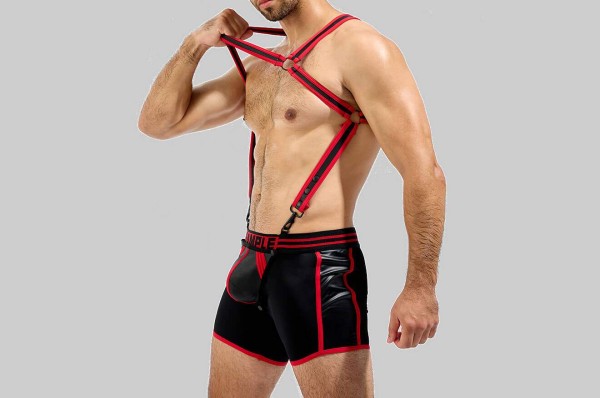
How Will 2026 Trends Like Sustainability Tip the Scales Toward Custom OEM?
2026 trends in IP protection, eco-regulations, and demand for fitted performance favor custom OEM’s innovation, such as compression patents in underwear and activewear. Sino Finetex’s core values of Truthfulness, Compassion, Commitment, Persistence, and Eco-friendliness, plus ISO and OEKO-TEX certifications, position it as a leader. Global brands prefer full-chain OEM for risk reduction in markets like North America and EU.
Conclusion
In 2026, custom OEM triumphs for forward-thinking B2B apparel brands through patented differentiation, supply chain mastery, and scalability. Sino Finetex exemplifies this with 20+ years of experience, eco-patents in fabrics like organic cotton and bamboo blends, and hybrid flexibility in products from men’s printed underwear to yoga sets (YC-001 to YC-012). It outpaces private label’s short-term speed, delivering long-term wins in underwear, homewear, and sportswear via 600K monthly capacity and end-to-end services.
FAQs
What is the difference between private label and OEM?
Private label uses factory stock designs with branding tweaks; OEM builds custom products from client specs for uniqueness and IP control.
How long do lead times take for custom OEM underwear?
Custom OEM underwear lead times are 15-45 days total, with 5-7 day samples, depending on quantity and styles at experienced factories like Sino Finetex.
Can private label include some customization?
Yes, private label allows minor tweaks like labels, colors, and packaging, but not full redesigns or patented fits offered in OEM.
Why choose a patented OEM manufacturer in 2026?
Patented OEM ensures fit innovation via algorithms, eco-compliance with OEKO-TEX materials, and IP security for sportswear and underwear.
What is Sino Finetex’s capacity for B2B sourcing?
Sino Finetex offers 600K pieces monthly, full yarn-to-packaging control, 500 workers, and 20+ years serving global brands in underwear and sportswear.
