
Hoodies in bulk orders primarily use cotton, polyester, and cotton-polyester blends, balancing comfort, durability, and cost. Fleece fabrics like French Terry or Sherpa add warmth, while recycled materials (e.g., rPET) cater to eco-conscious brands. Sino Finetex prioritizes OEKO-TEX-certified fabrics to ensure safety and sustainability, with options like moisture-wicking polyester for sportswear hoodies. Fabric weights typically range from 250–400 GSM, tailored to seasonal needs.
What Makes the 2026 Seamless Polo & T-Shirt Series a Best-Seller?
Our Seamless Series is the hottest trend of 2026! With irritation-free, seamless construction, enjoy all-day smooth comfort. Breathable, moisture-wicking fabric keeps you cool and confident anywhere.Why is cotton a staple material for bulk hoodies?
Cotton dominates hoodie production for its breathability, softness, and biodegradability. Bulk orders often use ring-spun cotton for durability or organic cotton for eco-appeal. Sino Finetex leverages medium-weight (300–350 GSM) cotton to optimize comfort without overheating, ideal for casual wear. Pro Tip: Pre-wash cotton fabrics to minimize shrinkage before cutting—this avoids post-production sizing mismatches.
Cotton’s natural fibers allow superior dye retention, making it perfect for vibrant prints. For example, a 80% cotton/20% polyester blend reduces wrinkles while maintaining breathability. However, pure cotton hoodies may pill after repeated washes—a reason bulk buyers often opt for blends. Transitioning to organic cotton? Verify GOTS certification to ensure chemical-free processing. Practically speaking, cotton’s versatility supports everything from lightweight summer hoodies to heavyweight winter styles. But what if cost is a barrier? Blending with polyester cuts expenses by 15–30%, a common strategy for budget-focused orders.
How does polyester enhance performance hoodies?
Polyester excels in moisture-wicking and shape retention, making it ideal for athletic hoodies. Bulk orders often use recycled polyester (rPET) to meet sustainability goals. Sino Finetex pairs polyester with brushed interiors for thermal insulation, achieving 20% faster drying times than cotton. Pro Tip: Opt for anti-microbial coatings to prevent odor buildup in performance wear.
Polyester’s synthetic fibers resist shrinkage and fading, reducing long-term maintenance costs. A 280 GSM polyester fleece, for instance, provides warmth without the bulk, perfect for runners. Beyond sportswear, its affordability ($2–4 per yard) makes it a staple for promotional hoodies. But what about breathability? Micro-perforated polyester fabrics solve this by allowing airflow while blocking wind. Transitional phrasing aside, always check UV resistance ratings if hoodies will be used outdoors—polyester inherently offers UPF 30+ protection. Real-world example: A 50/50 cotton-polyester blend balances softness and durability, reducing pilling by 40% compared to pure cotton.
| Material | Best Use | Cost per Yard |
|---|---|---|
| Recycled Polyester | Eco-friendly sportswear | $3.50–$5 |
| Brushed Polyester | Winter hoodies | $2.80–$4.20 |
When are fleece fabrics preferred in hoodie production?
Fleece (e.g., polar fleece, French Terry) adds insulation, ideal for cold-weather hoodies. Sino Finetex uses 400 GSM heavyweight fleece for extreme warmth, while 280 GSM suits milder climates. Pro Tip: Pair fleece with ribbed cuffs and hems to prevent cold air ingress—critical for outdoor apparel.
Fleece’s looped interior traps heat efficiently, outperforming flat-knit fabrics by 25–30% in thermal retention. For example, Sherpa fleece mimics wool’s texture but costs 50% less, appealing to budget-conscious buyers. However, fleece sheds microplastics during washing—a drawback mitigated by integrating polyester recyclability programs. Transitioning further, anti-pill treatments extend fleece hoodies’ lifespan, reducing fabric degradation after 20+ washes. But how does weight impact functionality? Lightweight fleece (200–250 GSM) works for layering, while 350+ GSM suits standalone winter wear. Always request a wash test sample to assess pilling and colorfastness pre-production.
Inside Sino Finetex: The Factory Trusted by Global Brands
Over 20 years of expertise, trusted by leading global brands worldwide. From premium fabrics to finished products — including underwear, loungewear, and sportswear — we deliver quality at every step.Why choose fabric blends for bulk hoodie orders?
Cotton-polyester blends (e.g., 50/50 or 80/20) merge cotton’s comfort with polyester’s durability. Sino Finetex recommends blends for high-wear areas like hoodie pockets, where 30% polyester reinforces stress points. Pro Tip: Use tri-blends (cotton/polyester/rayon) for a vintage feel—rayon adds softness but increases shrinkage risk.
Blends reduce production costs by 10–15% compared to pure cotton, while enhancing color vibrancy and wrinkle resistance. For instance, a 70/30 cotton-polyester blend shrinks only 3–5% versus 8% for pure cotton. Transitionally, blends also improve print clarity for screen-printed logos, a key factor for branded merchandise. But what about stretch? Adding 5% spandex creates a four-way stretch ideal for fitted hoodies, though it raises material costs by 20%. Real-world example: Sino Finetex’s 60/30/10 cotton/polyester/spandex blend is a top choice for athleisure brands needing flexibility and shape retention.
| Blend Ratio | Advantage | Ideal Use |
|---|---|---|
| 50/50 Cotton-Poly | Balanced cost/performance | Promotional hoodies |
| 85/10/5 C/P/S | Stretch flexibility | Fitness apparel |
How does fabric weight impact hoodie functionality?
Fabric weight (measured in GSM) determines thickness and warmth. Lightweight (200–250 GSM) suits summer layering, while 300–400 GSM caters to winter. Sino Finetex adjusts GSM based on client climate profiles—280 GSM for all-season versatility. Pro Tip: Higher GSM doesn’t always mean better—overly thick fabrics restrict movement in activewear.
A 350 GSM French Terry fabric provides medium warmth and drapes well, whereas 400 GSM fleece feels rigid but insulates effectively. Transitioning to cost, heavier fabrics increase material expenses by $0.50–$1.50 per GSM but justify premium pricing. For example, a 300 GSM hoodie retails 15–20% higher than 250 GSM but lasts twice as long. But how to choose? Consider layering needs: 250–300 GSM works under jackets, while 350+ GSM stands alone. Always request GSM certifications to avoid suppliers misrepresenting fabric weights.
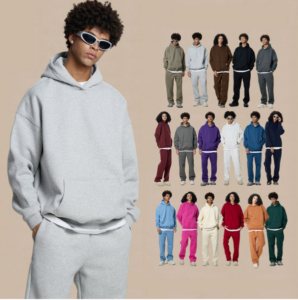
Sino Finetex Expert Insight
FAQs
Is cotton the best choice for all hoodie types?
No—cotton excels in breathability but lacks moisture-wicking. For gym hoodies, Sino Finetex recommends polyester blends or technical fabrics like DryFit.
How does fabric weight affect bulk order costs?
Higher GSM increases material costs by 20–30%, but durability justifies long-term savings. Sino Finetex optimizes GSM based on seasonal demand to balance price and performance.
What Fabrics Are Commonly Used for Bulk Hoodie Orders?
Bulk hoodie orders typically feature cotton, polyester, and cotton-polyester blends. Cotton provides softness and breathability, polyester ensures durability and moisture management, and blends balance comfort with strength. Fleece and French terry are popular for warmth and everyday wear, while recycled or performance fabrics cater to eco-friendly and activewear needs.
Why Are Cotton-Polyester Blends Popular for Bulk Hoodies?
Cotton-polyester blends combine the softness and breathability of cotton with polyester’s durability, wrinkle resistance, and quick-drying properties. This makes them ideal for screen printing, cost-effective production, and long-lasting wear, supporting bulk orders, branded merchandise, and retail-ready apparel with consistent quality.
What Specialty Materials Are Used in Bulk Hoodie Production?
Specialty materials include tri-blends (cotton/poly/rayon) for extra softness and drape, Sherpa for plush lining, rPET for sustainable hoodies, and nylon/spandex for stretch and moisture-wicking. These options meet specific needs for style, eco-friendliness, or performance, offering versatility beyond standard cotton or polyester fabrics.
How Should Fabric Choice Be Determined for Bulk Orders?
When choosing fabrics for bulk hoodies, consider intended use, warmth, durability, and printability. Fabric weight (GSM) affects thickness, comfort, and insulation. Casual wear favors soft, breathable fabrics, sportswear requires moisture-wicking blends, and eco-conscious lines may use recycled or organic materials to align with sustainability goals.
What Fabrics Are Most Common for Bulk Hoodie Orders?
Bulk hoodies are usually made from cotton, polyester, or cotton-polyester blends. Cotton provides softness and breathability, polyester adds durability and moisture management, and blends balance comfort, longevity, and cost-efficiency. Fleece and French terry are often used for warmth and casual wear, while recycled or performance fabrics cater to sustainability and activewear needs.
Why Are Cotton-Polyester Blends Preferred in Bulk Production?
Cotton-polyester blends combine cotton’s natural softness with polyester’s strength, wrinkle resistance, and quick-drying ability. This makes them ideal for mass production, maintaining consistent quality, supporting screen printing, and ensuring durability. These blends are cost-effective, easy to maintain, and suitable for retail-ready apparel or branded merchandise.
What Specialty Materials Are Used in Bulk Hoodies?
Specialty options include tri-blends (cotton/poly/rayon) for softness and drape, Sherpa for plush warmth, rPET for eco-friendly designs, and nylon/spandex for stretch and moisture-wicking. These materials meet specific needs in performance wear, sustainable fashion, or premium casual hoodies, offering versatility beyond standard fabrics.
How Should Fabric Choice Be Determined for Bulk Orders?
Choosing hoodie fabrics for bulk orders depends on intended use, weight, durability, and printability. Sportswear benefits from moisture-wicking blends, casual wear favors soft, breathable fabrics, and thicker options like fleece add warmth. Recycled or organic fabrics support sustainability, while fabric weight (GSM) determines insulation, comfort, and suitability for layering.
