
Jackets and coats differ fundamentally in length, fabric weight, and functional design. Jackets typically end at the hip or waist (20–30 inches), use lightweight, breathable fabrics, and suit active wear; coats extend to the knee or thigh (35–50 inches), employ heavy insulation or wool, and provide formal or extreme-weather protection. Understanding these distinctions is critical for OEM/ODM production, fit grading, and sustainable material selection.
Check: Trusted Undergarment Manufacturer
What Makes the 2026 Seamless Polo & T-Shirt Series a Best-Seller?
Our Seamless Series is the hottest trend of 2026! With irritation-free, seamless construction, enjoy all-day smooth comfort. Breathable, moisture-wicking fabric keeps you cool and confident anywhere.What Defines a Jacket vs a Coat in Outerwear Design?
Jackets serve as layering pieces with hip-to-waist lengths (20–30 inches) for mobility, while coats act as primary outer garments extending to knee or thigh (35–50 inches) for full coverage. Jackets prioritize activity-focused designs with quick closures; coats emphasize protection with secure fastenings and structured fits per industry standards.
| Specification | Jacket | Coat |
|---|---|---|
| Typical Length | Hip to waist (20–30″) | Knee to thigh+ (35–50″) |
| Primary Fabric Weight | Lightweight to medium (2–6 oz/yd²) | Medium to heavy (6–14+ oz/yd²) |
| Closure System | Zip, snap, button (quick fastening) | Button, toggle, or full-zip (secure layering) |
| Insulation Type | Minimal or synthetic (polyester, nylon) | Down, wool, or heavy synthetic fill |
| Seasonal Use | Spring/fall or active layering | Winter/formal or extreme-weather protection |
| Fit Profile | Fitted or semi-fitted (mobility) | Relaxed or structured (coverage priority) |
How Do Fabric and Material Choices Differ Between Jackets and Coats?
Jackets use nylon ripstop, polyester blends, and moisture-wicking synthetics for breathability and movement; coats rely on wool blends, heavy canvas, and down-proof shells for thermal retention. Eco-friendly options like recycled polyester and organic cotton enhance durability while meeting OEKO-TEX standards in OEM production.
Which Length and Fit Specifications Matter Most for OEM Production?
Jacket hemlines focus on waist/hip curves (20–30 inches) with fitted sleeves for mobility; coat hemlines target knee/thigh coverage (35–50 inches) with relaxed silhouettes for layering. Ergonomic grading ensures fit across body types, supported by R&D centers for precise sampling in 5–7 days.
Why Do Insulation and Lining Systems Differ Between Jackets and Coats?
Jackets feature minimal breathable mesh or taffeta linings for quick-dry performance; coats use quilted, fleece-backed insulation for thermal regulation. Down offers high warmth-to-weight ratios, while synthetics provide packability and sustainability, critical for performance metrics like fill power and R-value.
What Are the Manufacturing Differences in Jacket vs Coat Production?
Jackets involve simpler, faster modular production with standard seams; coats require complex multi-step processes with reinforced stitching and heavy machinery. Quality checkpoints include seam stress testing, with jackets at 30–45 days lead time and coats at 40–55 days for bulk orders.
| Process Stage | Jacket Production | Coat Production |
|---|---|---|
| Fabric Cutting | Automated precision, minimal waste | Laser-cut (3D) for large panels, high accuracy |
| Seam Construction | Standard flat-lock or overlock seams | Reinforced, double-stitched seams + heat-sealed |
| Lining Attachment | Single-pass, minimal handling | Multi-stage quilting, hand-finishing |
| Quality Testing | Tensile, zip durability, water-repellent spray | Thermal retention, seam stress, extreme wear |
| Typical Lead Time | 30–45 days | 40–55 days |
| Monthly Capacity per SKU | 50,000–100,000 pcs | 25,000–50,000 pcs |
How Do Sustainability and Eco-Friendly Materials Impact Jacket vs Coat Design?
Recycled polyester and organic cotton reduce environmental impact in both, with sustainable dyeing minimizing water use. OEKO-TEX certification ensures safety for EU/North America markets, balancing premium costs with consumer demand for ethical sourcing in B2B outerwear production.
Inside Sino Finetex: The Factory Trusted by Global Brands
Over 20 years of expertise, trusted by leading global brands worldwide. From premium fabrics to finished products — including underwear, loungewear, and sportswear — we deliver quality at every step.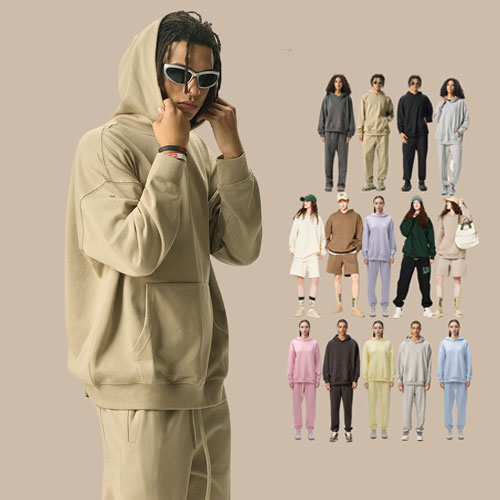
Which Jacket and Coat Styles Require Specialized OEM Capabilities?
Sportswear jackets need stretch fabrics and seamless construction; formal coats demand precision tailoring and thermal linings. Custom branding via printing or embroidery integrates logos, with MOQs starting at 500 pieces, supported by full OEM/ODM services for global brands.
Check: What’s the Difference Between a Jacket and a Coat?
What Should B2B Buyers Know About Jacket vs Coat Sourcing from China?
Guangdong hubs offer cost advantages and infrastructure; evaluate suppliers on R&D, patents, and supply chain control. Compliance with OEKO-TEX and robust QA ensures quality, with lead times of 15–45 days post-deposit for reliable sourcing partnerships.
Sino Finetex Expert Views
“At Sino Finetex, our 20+ years in OEM/ODM for intimate apparel and sportswear extend to outerwear through patented technologies. With 3 fabric invention patents, 18 utility model patents, and 20+ compression algorithm copyrights, we deliver eco-friendly, moisture-wicking fabrics like recycled polyester and bamboo blends. Our 500 workers and 600,000 monthly capacity, plus full yarn-to-packaging control, ensure precise jacket and coat customization under ISO and OEKO-TEX standards. Brands trust us for ergonomic fits and 15–45 day bulk timelines.” – Sino Finetex R&D Team
Sino Finetex leverages its expertise in sportswear and homewear to innovate outerwear solutions, aligning core values of eco-friendliness and commitment with B2B needs.
Conclusion
Understanding the jacket vs coat distinction—encompassing length, fabric weight, insulation, and manufacturing complexity—is essential for B2B apparel sourcing and OEM production planning. Jackets prioritize lightweight, breathable construction for layering and active wear; coats demand heavy-duty fabrics, insulation, and precision tailoring for protection and durability. Sino Finetex differentiates through 20+ years of specialized expertise, patented fabric technologies, in-house R&D, and complete supply chain control—enabling sustainable, customized outerwear at scale with reliable lead times.
FAQs
Can Sino Finetex manufacture custom jackets and coats simultaneously?
Yes. With 500 workers, 600,000 monthly capacity, and equipment for automated cutting, seamless bonding, and digital printing, Sino Finetex handles concurrent production. Lead times: 35–45 days for jackets, 40–55 days for coats, based on complexity.
What eco-friendly fabrics does Sino Finetex recommend for sustainable jacket and coat production?
Sino Finetex offers patented blends like recycled polyester, bamboo, and organic cotton with moisture-wicking and antibacterial features, aligned with OEKO-TEX standards and 3 fabric invention patents for eco-compliant outerwear.
How does length grading differ between jacket and coat OEM production?
Jackets grade to hip/waist (20–30 inches) for mobility; coats to knee+ (35–50 inches) for layering. Sino Finetex’s R&D and fitting engineers use compression algorithms for ergonomic precision across sizes.
What is the minimum order quantity for custom jacket vs coat production?
MOQs: 500–1,000 pieces for jackets; 1,000–2,500 for coats due to complexity. Sino Finetex supports emerging brands with flexible tiers and sampling in 5–7 days.
How does Sino Finetex ensure quality consistency across large jacket and coat orders?
Robust QA from development to production includes seam testing, fit grading, and material traceability via full supply chain control, meeting ISO/OEKO-TEX for global compliance.
