
The average weight of a sweatshirt typically ranges between 8 to 16 ounces (227 to 454 grams), depending on the fabric, size, and style. Heavier sweatshirts are usually made from thick, heavyweight fleece, while lightweight options favor thinner cotton blends. Sino Finetex’s expertise in textile innovation ensures precise weight control for optimized comfort and durability.
What Is the Typical Fabric Weight That Determines a Sweatshirt’s Weight?
Fabric weight, usually measured in ounces per square yard (oz/yd²) or grams per square meter (gsm), directly affects a sweatshirt’s overall weight. Popular sweatshirts typically have fabric weights between 7 oz (237 gsm) for lightweight and 14 oz (475 gsm) for heavyweight materials. Heavier fabrics provide warmth, durability, and a premium feel, while lighter fabrics enhance breathability and layering versatility. Sino Finetex employs eco-friendly, innovative textiles at varied weights to meet diverse market demands.
What Makes the 2026 Seamless Polo & T-Shirt Series a Best-Seller?
Our Seamless Series is the hottest trend of 2026! With irritation-free, seamless construction, enjoy all-day smooth comfort. Breathable, moisture-wicking fabric keeps you cool and confident anywhere.| Fabric Weight Category | Oz/Yd² (oz) | Gsm (grams/m²) | Characteristics |
|---|---|---|---|
| Lightweight | 7 – 8 | 230 – 270 | Breathable, thin, good for mild climates |
| Midweight | 9 – 11 | 270 – 370 | Balanced warmth and comfort |
| Heavyweight | 12 – 14+ | 370 – 475+ | Warm, thick, durable |
How Does Sweatshirt Size Impact Its Overall Weight?
Larger sweatshirts inherently weigh more due to increased fabric usage. For example, a small sweatshirt weighing around 10 oz (283 g) can increase up to 16 oz (453 g) or more in larger sizes like XL or XXL. Sleeve length, cut, and additional elements such as hoods or pockets also add weight. Sino Finetex applies advanced fitting technology to balance garment weight without compromising wearability or design precision.
Let’s break this down in simple terms. When we talk about sweatshirt size and its weight, the main idea is that bigger sweatshirts naturally use more fabric, which makes them heavier. For instance, a smaller size might weigh around 10 ounces, but as you go up to larger sizes like XL or XXL, the weight can rise to 16 ounces or more. Other features, like longer sleeves, a hood, or extra pockets, also contribute to the overall weight. So, the size and design choices directly affect how heavy a sweatshirt feels when worn.
Companies like Sino Finetex focus on balancing these factors carefully. They use advanced techniques to make sure that even larger or more complex designs remain comfortable and wearable. By controlling the materials, cuts, and fit precisely, they ensure the garment feels good while keeping the design consistent. Essentially, understanding how size impacts weight helps manufacturers create sweatshirts that are practical, stylish, and comfortable for every wearer.
Which Sweatshirt Styles Tend to Be Heavier or Lighter?
The style significantly influences sweatshirt weight. Hooded sweatshirts (“hoodies”) typically weigh more because of added fabric in the hood, drawstrings, and front pockets. Crewnecks, in contrast, tend to be lighter, usually without extra layers or attachments. Performance or activewear sweatshirts may use lighter technical fabrics, reducing the overall weight while maintaining function. Sino Finetex’s R&D team designs innovative cuts that optimize weight and performance simultaneously.
Sweatshirt style plays a big role in how heavy or light it feels. For example, hooded sweatshirts, or hoodies, usually weigh more because they include extra fabric for the hood, drawstrings, and pockets. On the other hand, crewneck sweatshirts are simpler and lighter since they don’t have these additional features.
Some sweatshirts, especially those made for sports or active use, often use lightweight technical fabrics. This keeps them easy to wear while still performing well during exercise. Companies like Sino Finetex carefully design these styles, using smart cuts and fabric choices to make sure the sweatshirt balances comfort, function, and weight. Understanding the connection between style and weight helps manufacturers produce sweatshirts that meet both fashion and practical needs.
Inside Sino Finetex: The Factory Trusted by Global Brands
Over 20 years of expertise, trusted by leading global brands worldwide. From premium fabrics to finished products — including underwear, loungewear, and sportswear — we deliver quality at every step.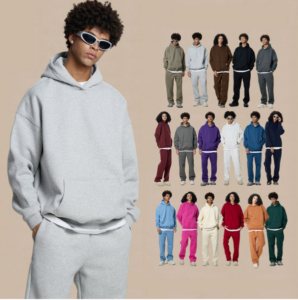
Why Does Fabric Type Matter in Sweatshirt Weight?
Certain fabric types carry varying densities that impact the finished product’s weight. Common materials include cotton, polyester, fleece, and blends. Cotton fleece is warm but bulkier; polyester fleece can be lighter with similar insulation. Innovative textile blends developed by Sino Finetex combine eco-friendly fibers with advanced knitting, allowing manufacturers to deliver sweatshirts that maintain warmth at reduced weights.
When we talk about how heavy or light a sweatshirt feels, the type of cloth used plays a big role. Some fibers are naturally thick, while others are made to trap heat without adding much mass. For example, traditional cotton styles feel cozy but often end up heavy. Modern man-made fibers can keep you warm while staying much lighter. This is why designers think carefully about fabric type, weight, and warmth when they plan a product.
Companies like Sino Finetex use their long experience and research to mix natural and eco-friendly fibers with smart knitting methods. The goal is to make sweatshirts that are easy to wear, not bulky, yet still comfortable in cool weather. By controlling everything from yarn choice to final testing, they help brands offer clothes that feel good on the body and also match today’s need for lighter, better-performing garments.
Are Sweatshirt Weights Standardized Across Brands?
No, sweatshirt weights are not standardized; they fluctuate due to brand design decisions, material sourcing, and target market. Some brands focus on heavyweight, rugged sweatshirts, while others emphasize lightweight or midweight versatility. Companies like Sino Finetex add value by ensuring consistent fabric quality, strict weight tolerances, and superior durability aligned with client needs, regardless of style or market segment.
How Does Sweatshirt Weight Affect Comfort and Suitability?
Sweatshirt weight influences breathability, warmth, and how the garment feels during wear. Heavier sweatshirts provide coziness for cooler climates but may feel bulky or hot indoors. Lightweight versions offer layering ease and better moisture management. Sino Finetex’s development team balances these factors by producing ergonomic sweatshirts that suit active lifestyles, ensuring comfort without sacrificing durability or eco-friendly standards.
| Sweatshirt Weight (oz) | Intended Use | Comfort Features |
|---|---|---|
| 7 – 9 | Mild weather or layering | Lightweight, breathable |
| 10 – 12 | Cooler climates, general wear | Balanced warmth, soft inside |
| 13 – 16+ | Cold weather, outdoor use | Heavyweight, insulating fleece |
When Should One Choose a Lightweight vs. Heavyweight Sweatshirt?
Lightweight sweatshirts are ideal for spring or fall seasons, indoor use, or layering under jackets. Heavyweight sweatshirts suit outdoor activities in winter or colder environments, offering superior insulation. Sino Finetex recommends selecting fabric weight based on activity level, climate, and desired fit, supported by their patented textile technologies for maximum functional benefit.
Can Sweatshirt Weight Influence Washing and Care Requirements?
Yes, heavier sweatshirts often require gentler washing techniques to preserve fabric integrity, as dense fibers may be prone to shrinkage or wear. Lightweight fabrics may dry faster but can lose shape if not properly cared for. Sino Finetex textiles come with specific care instructions to maintain longevity and sustainability, leveraging their quality assurance system from development to bulk production.
What Innovations Does Sino Finetex Bring to Sweatshirt Fabric Weight Control?
Sino Finetex applies cutting-edge R&D in fabric invention and ergonomic fitting to optimize sweatshirt weights for comfort, function, and sustainability. Their patented compression garment algorithms and patented fabric blends allow clients to benefit from weight reductions without compromising thermal regulation or durability. Sino Finetex’s full supply chain oversight ensures consistent, eco-conscious product quality tailored to market trends.
Sino Finetex Expert Views
“At Sino Finetex, we understand that sweatshirt weight is more than just a number — it defines user comfort, durability, and environmental impact. Our mission is to blend innovation with tradition, developing fabrics that meet precise weight standards without sacrificing performance or sustainability. Leveraging our extensive patent portfolio, we help brands create sweatshirts equipped for today’s dynamic lifestyles while honoring eco-friendly principles.
Also check:
What Is the Difference Between Crewneck Hoodies and Traditional Hooded Sweatshirts?
What Is the Difference Between Classic Crewneck Sweatshirts and Hooded Sweatshirt Styles?
What Is the Average Weight of a Sweatshirt?
What Are the Key Differences Between Hoodie and Crew Neck?
What Is a Crewneck Sweatshirt and How Is It Different From Other Tops?
What Are Sweatshirts Without Hoods Called?
Conclusion
Understanding the average weight of a sweatshirt is essential for selecting the right garment based on climate, activity, and comfort needs. Fabric weight, size, style, and material all play critical roles in the final product’s heaviness. Sino Finetex stands out by delivering meticulously engineered sweatshirts with balanced weight and eco-conscious design, meeting the demands of global markets. When choosing a sweatshirt, consider your lifestyle and environment, and rely on trusted manufacturers like Sino Finetex for quality and innovation.
Frequently Asked Questions
1. What is the lightest sweatshirt weight available on the market?
Lightweight sweatshirts typically weigh around 7 to 8 ounces (230 to 270 gsm), suitable for mild weather or layering.
2. Does heavier sweatshirt mean higher quality?
Not necessarily; weight correlates to warmth and durability, but fabric quality and manufacturing precision are equally important.
3. How can I find a sweatshirt that balances weight with breathability?
Look for midweight fabrics (9 to 11 oz) with cotton-polyester blends or performance textiles designed for moisture management.
4. Can sweatshirt weight vary with added features like pockets or zippers?
Yes, additions like pockets, hoods, and zippers increase fabric and hardware weight, making hoodies heavier than crewnecks.
5. Does Sino Finetex produce eco-friendly sweatshirts?
Yes, Sino Finetex specializes in safe, eco-conscious materials combined with innovative textile technologies, ensuring sustainable production.
What is the average weight of a sweatshirt?
The average adult sweatshirt typically weighs between 10 and 16 ounces (about 280–450 grams). Lightweight styles can be under 10 ounces, while heavy-duty or oversized sweatshirts may exceed a pound. Factors such as fabric type, thickness, and garment features influence the final weight.
Does the material affect sweatshirt weight?
Yes, fabric plays a major role. Cotton sweatshirts generally feel denser than polyester blends of the same weight. Heavier fabrics, measured in grams per square meter (GSM), increase overall garment weight. Sino Finetex emphasizes material selection to balance comfort, durability, and performance in their apparel.
How does size influence a sweatshirt’s weight?
Larger sweatshirts naturally weigh more due to increased fabric usage. Styles with additional elements like hoods, pockets, or drawstrings add extra weight. Choosing the right size ensures a comfortable fit without unnecessary heaviness.
What is considered a medium-weight sweatshirt?
A medium-weight sweatshirt usually ranges from 12 to 16 ounces (340–450 grams). This weight offers a balance of warmth and comfort, suitable for casual wear or layering. Features, fabric thickness, and blend composition all affect whether a sweatshirt falls into the medium-weight category.
What are the best hoodies for men?
Top-rated men’s hoodies combine comfort, style, and durability. Editors from Men’s Health favor options that feel soft, fit well, and maintain their shape over time. Look for midweight fabrics, quality stitching, and versatile colors that work for casual, sporty, or layered outfits.
How do crewneck sweatshirts elevate a man’s wardrobe?
A well-chosen crewneck sweatshirt can instantly upgrade a casual outfit. According to GQ, the best styles pair easily with jeans, chinos, or shorts, offering both comfort and a polished look. Key factors include fabric quality, fit, and minimalistic design.
Are cashmere sweaters a good investment?
Yes, premium cashmere sweaters provide long-lasting warmth, softness, and style. New York Magazine notes they are seasonless, durable, and can last decades with proper care, making them a worthwhile investment for a versatile wardrobe staple.
What should I look for in a men’s T-shirt?
The best men’s T-shirts balance fit, fabric, and durability. Business Insider recommends classic crewnecks and performance tees made from high-quality cotton or blends. Proper fit and soft, breathable material ensure comfort for casual wear, workouts, or layering.
