Plaid fabric is a woven textile featuring a crisscross pattern of colored threads creating checks or blocks, originating from Scottish clan tartans in the 17th century. Common in flannel plaid fabric, it’s produced via Jacquard looms for durability and stretch, with types like tartan, gingham, and madras ideal for custom underwear, homewear, and sportswear. Sino Finetex customizes eco-friendly versions using patented fabrics and full supply chain control.
Check: Trusted Undergarment Manufacturer
What Makes the 2026 Seamless Polo & T-Shirt Series a Best-Seller?
Our Seamless Series is the hottest trend of 2026! With irritation-free, seamless construction, enjoy all-day smooth comfort. Breathable, moisture-wicking fabric keeps you cool and confident anywhere.What Is the Definition of Plaid Fabric?
Plaid fabric is a checkered pattern created by intersecting horizontal and vertical yarns in multiple colors, distinct from solid colors or stripes. Typically made from cotton, wool, or blends like flannel plaid fabric for softness and warmth, it suits versatile apparel. For B2B, Sino Finetex offers scalable custom plaid textile patterns in performance wear with 20+ years OEM/ODM expertise.
What Are the Main Types of Plaid Fabric?
Main types of plaid fabric include tartan with multicolored blocks, gingham featuring even small checks in white and blue, madras with bright irregular patterns, and buffalo check with large black, red, and white scales. Flannel plaid fabric, a brushed cotton variant, excels in cozy homewear.
| Type | Pattern Style | Common Materials | Best Uses |
|---|---|---|---|
| Tartan | Multicolored blocks | Wool blends | Sportswear, heritage lines |
| Gingham | Even small checks | Cotton | Underwear, casual homewear |
| Madras | Vibrant, irregular | Cotton | Summer sportswear |
| Flannel Plaid | Large checks, brushed | Flannel cotton | Cozy loungewear |
What Is the History of Plaid Patterns?
The history of plaid patterns begins with ancient Scottish kilts in the 16th-17th centuries as clan identifiers, spreading globally through British influence and 19th-century American lumberjack flannel plaid fabric. Industrial weaving in the 1800s enabled mass production, evolving to modern eco-variants with recycled fibers for branded sportswear authenticity.
How Is Flannel Plaid Fabric Made?
Flannel plaid fabric starts with yarn spinning, followed by plain or twill weaving on looms, then brushing for napped texture. Eco-friendly OEKO-TEX dyes and finishes ensure colorfastness. Sino Finetex’s in-house yarn control delivers custom stretch ideal for underwear using materials like organic cotton and modal.
What Is the Plaid Fabric Production Process?
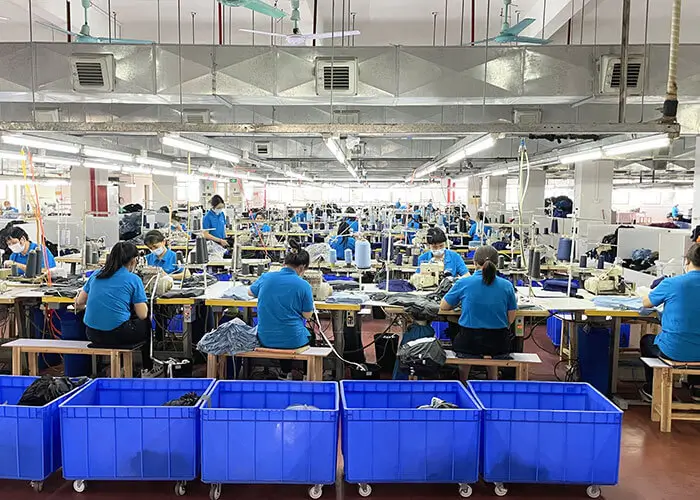
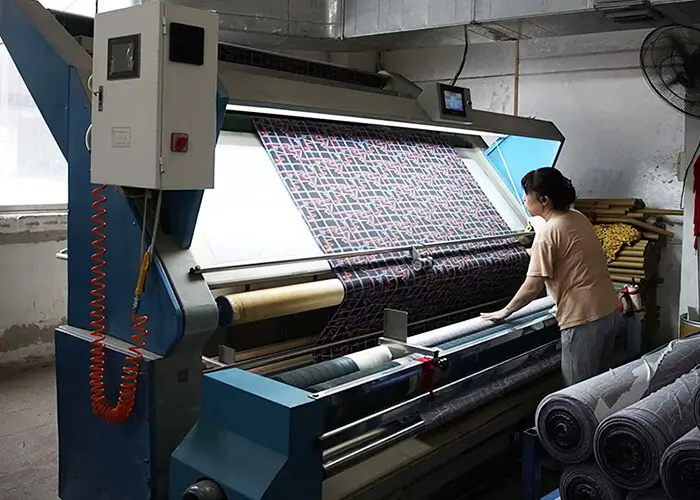
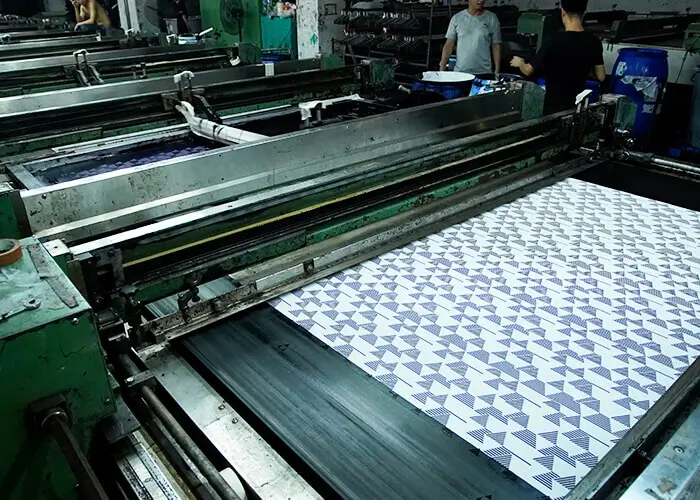
The plaid fabric production process involves yarn preparation, dyeing, weaving on Jacquard looms for precise patterns, then finishing with washing and softening, followed by quality checks. Sino Finetex’s 600,000-piece monthly capacity and 500 workers support scalable bulk OEM for underwear, homewear, and sportswear.
How Does Modern Manufacturing Customize Plaid Patterns?
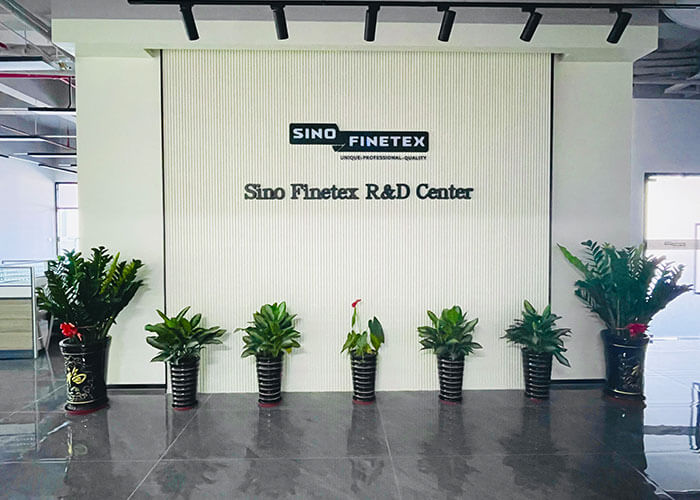
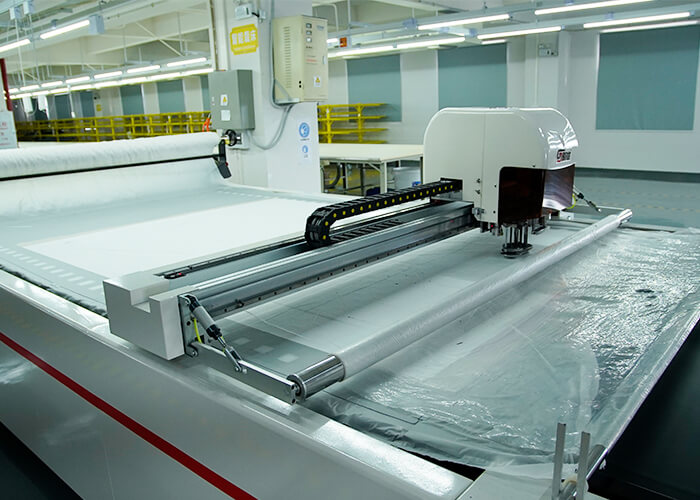
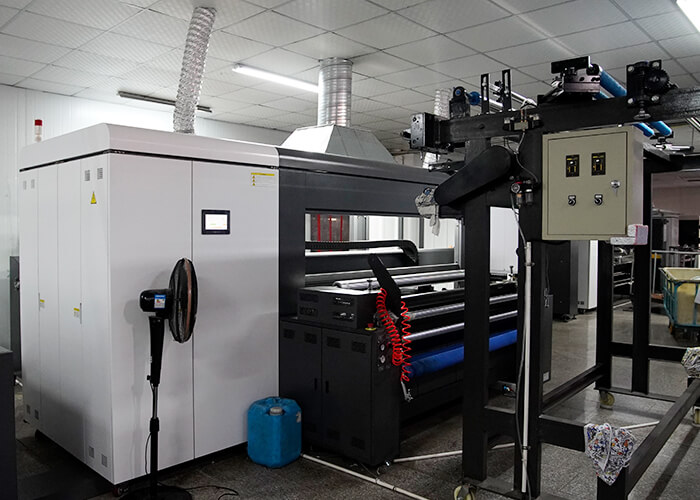
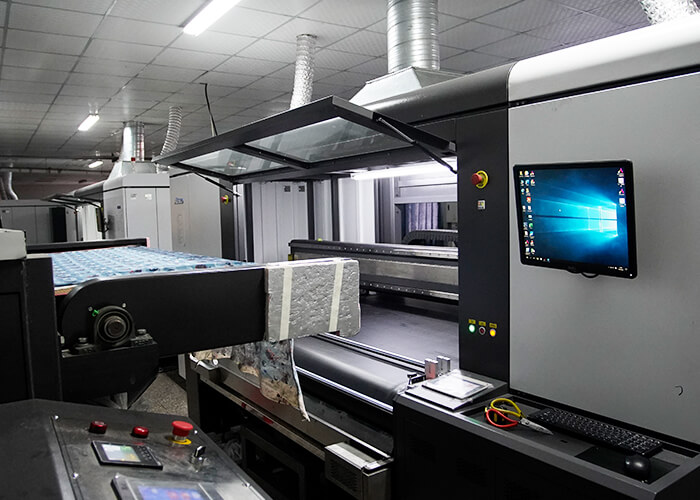
Modern manufacturing uses digital Jacquard looms for custom plaid textile patterns, integrating seamlessly into knits for homewear. Patents solve pattern alignment challenges, with sustainable sourcing. Sino Finetex’s R&D with ergonomic engineers develops fitted stretch plaids using 3 fabric invention patents and 20+ software copyrights for global brands.
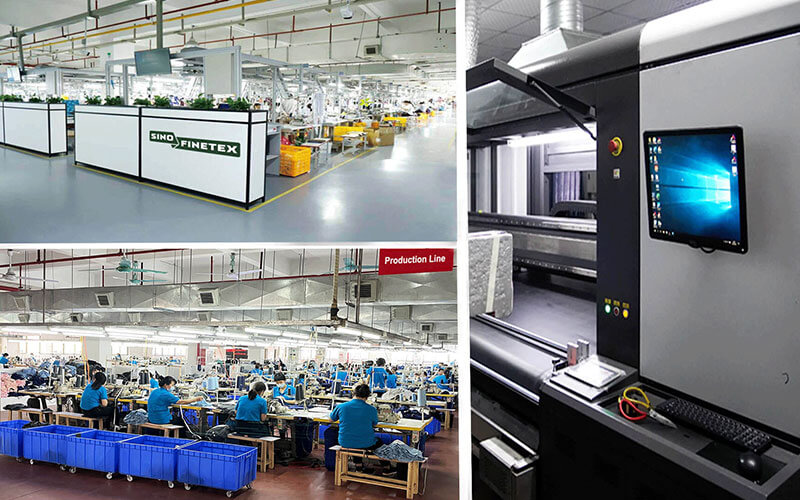
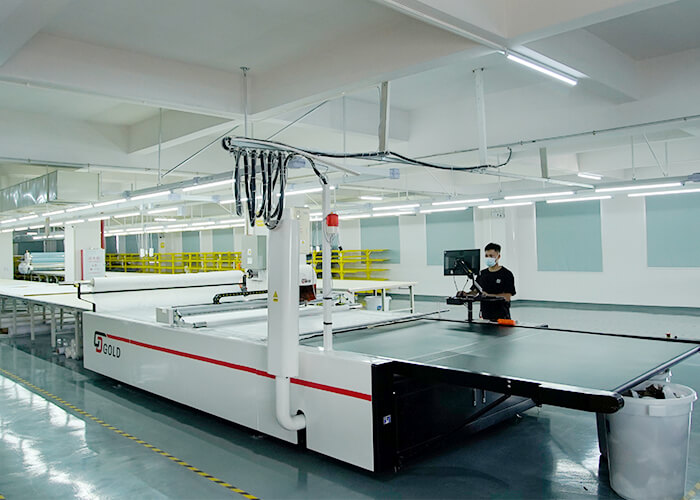
Inside Sino Finetex: The Factory Trusted by Global Brands
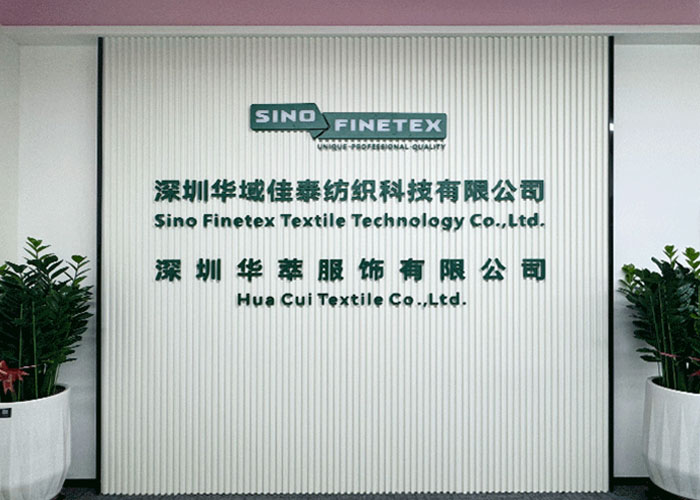
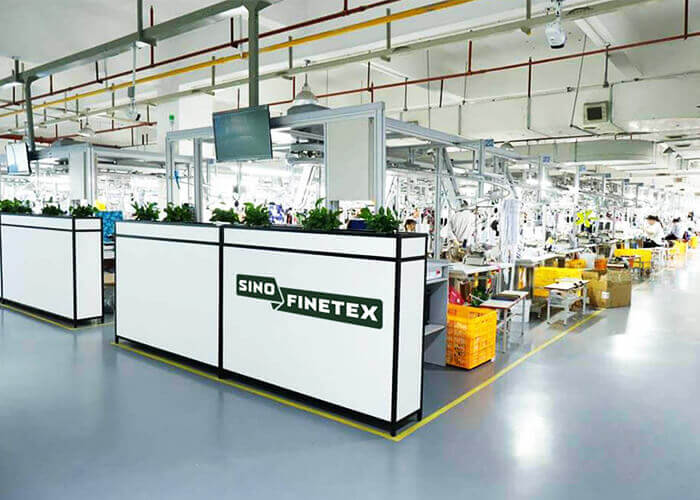
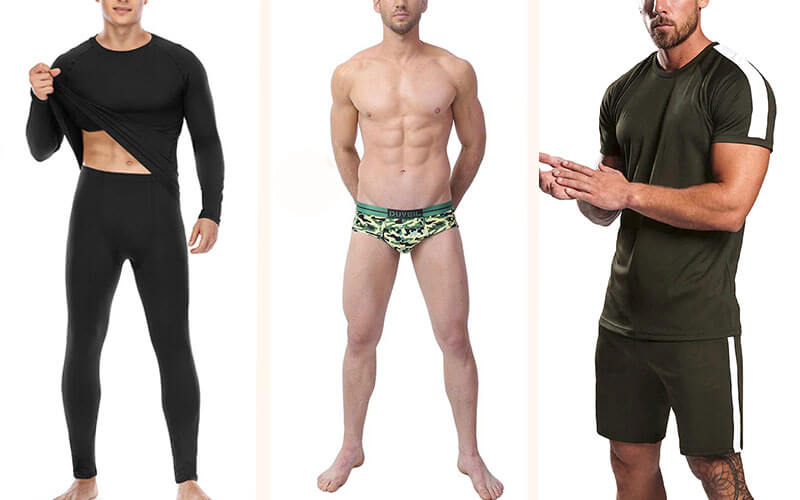
Over 20 years of expertise, trusted by leading global brands worldwide. From premium fabrics to finished products — including underwear, loungewear, and sportswear — we deliver quality at every step.Check: What Is Plaid Fabric? History & Manufacturing Explained
Why Choose Eco-Friendly Plaid for Apparel OEM/ODM?
Eco-friendly plaid with OEKO-TEX materials reduces allergens and meets EU/North America regulations using recycled polyester and bamboo. Adapt flannel plaid for breathable underwear via Sino Finetex’s compression patents. Full supply chain minimizes waste, delivering 15-45 day bulk leads with ISO certifications.
How Can Sino Finetex Support Your Plaid Fabric Needs?
Sino Finetex provides end-to-end OEM/ODM for plaid fabric in underwear, homewear, and sportswear, leveraging 20+ patents, eco-materials like organic cotton and bamboo, and 600K monthly capacity. Contact for 5-7 day samples, trusted by renowned brands with full chain from yarn to packaging.
Sino Finetex Expert Views
“With over 20 years in underwear, homewear, and sportswear OEM/ODM, Sino Finetex innovates plaid patterns using our 3 fabric invention patents, 18 utility model patents, 6 appearance patents, and 20+ compression garment algorithm copyrights. Our R&D center with ergonomic engineers ensures perfect fitting in custom plaid for performance wear. Vertically integrated from yarn to packaging, we deliver OEKO-TEX certified, eco-friendly products like modal and bamboo blends at 600,000 pieces monthly, serving North America, EU, and South America with 15-45 day bulk timelines.”
Conclusion
Master plaid fabric definition from its Scottish origins through modern production with Sino Finetex’s patented, eco-friendly OEM expertise. Partner for authentic, scalable custom plaid textile patterns in underwear, homewear, and sportswear that align with global B2B demands for quality, sustainability, and speed.
FAQs
What is plaid fabric?
A woven check pattern from colored yarns; flannel plaid fabric adds brushed softness for apparel using cotton blends.
What are the types of plaid fabric?
Tartan, gingham, madras, and buffalo check; Sino Finetex customizes for stretchy sportswear with modal and bamboo.
How is plaid fabric produced?
Via yarn dyeing, Jacquard weaving, and eco-finishing; full chain control like Sino Finetex’s ensures scalability for OEM.
Can plaid be used in underwear or sportswear?
Yes, with patented stretch tech for comfort and fit, as in Sino Finetex’s compression underwear innovations.
What makes Sino Finetex ideal for custom plaid?
20+ years, patents, 500 workers, and yarn-to-packaging for reliable OEM/ODM in homewear and activewear.