What Is Mandatory EPR for Textiles in 2026?

Share

Mandatory EPR for textiles in 2026 requires pajama brands in major economies like the EU, California, and emerging markets to fund end-of-life collection, sorting, and recycling of garments. This drives design for disassembly using simple constructions for easier recycling, helping Chinese manufacturers adapt for wholesale compliance.

Custom Pajamas Manufacturer – Sino Finetex Textile Technology Co., Ltd

What Makes the 2026 Seamless Polo & T-Shirt Series a Best-Seller?

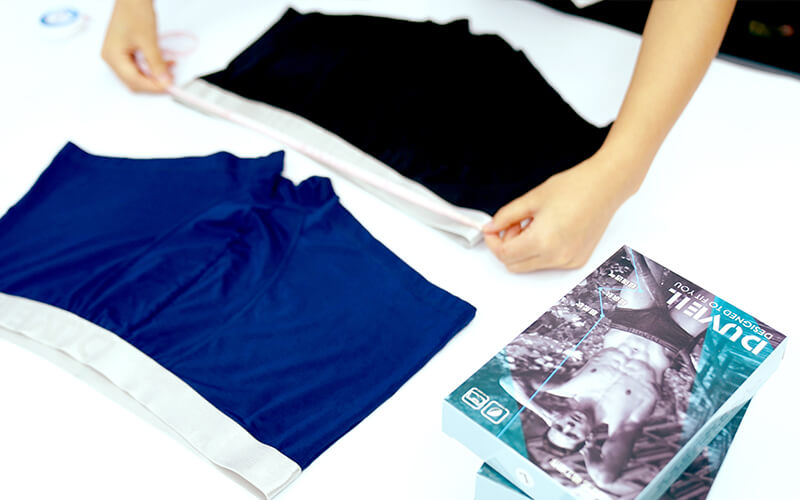
Our Seamless Series is the hottest trend of 2026! With irritation-free, seamless construction, enjoy all-day smooth comfort. Breathable, moisture-wicking fabric keeps you cool and confident anywhere.

What Is EPR for Textiles?

Extended Producer Responsibility (EPR) for textiles makes producers financially accountable for garment disposal and recycling post-consumer use. In 2026, laws in the EU and California mandate brands join PROs to manage waste collection and sorting. Chinese manufacturers design recyclable pajamas for global wholesale markets.

EPR shifts waste costs from taxpayers to producers, promoting circular economy principles. For pajama factories in China, this means using monomaterials and reversible seams to simplify disassembly. As a leading OEM supplier, Sino Finetex integrates these practices in homewear production for international brands seeking sustainable wholesale options. Compliance ensures market access amid rising regulations.

Key benefits include reduced landfill waste and resource conservation. Chinese textile suppliers gain competitive edges by offering EPR-ready designs, like single-fiber pajamas that disassemble easily for recycling.

EPR Core Requirements Description
Producer Registration Join PRO by mid-2026 in California; EU by 2027.
Fee Payments Eco-modulated based on recyclability.
Reporting Annual volumes placed on market.
Design Standards Monofilaments, no mixed fibers.

Why Is EPR Mandatory for Pajamas in 2026?

EPR became mandatory for pajamas in 2026 due to massive textile waste—equivalent to a garbage truck per second landfilled. Laws in California (SB 707) and EU Waste Framework target home textiles, holding brands accountable to boost recycling rates above 50%. Chinese factories prioritize disassembly for compliance.

Global textile waste surged, prompting 2026 laws in key economies. Pajamas, as homewear, fall under covered products requiring end-of-life management. For China-based wholesalers, aligning with EPR opens doors to EU and US markets, where non-compliant imports face bans.

This regulation fosters innovation in manufacturing. Sino Finetex, a veteran Chinese factory, emphasizes eco-friendly materials in OEM pajama lines to meet these demands proactively.

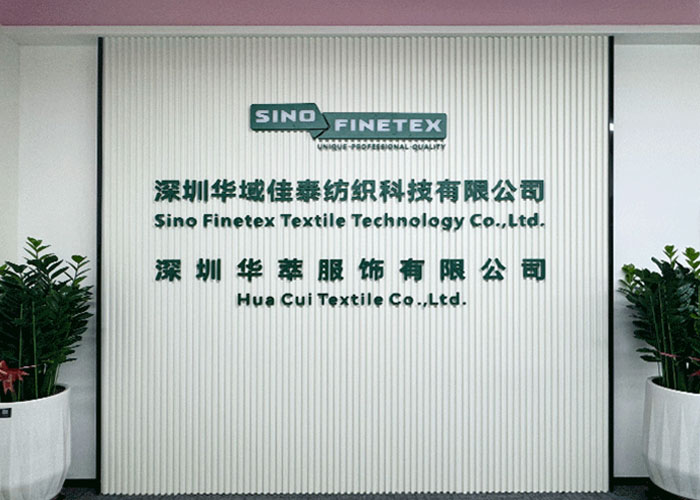
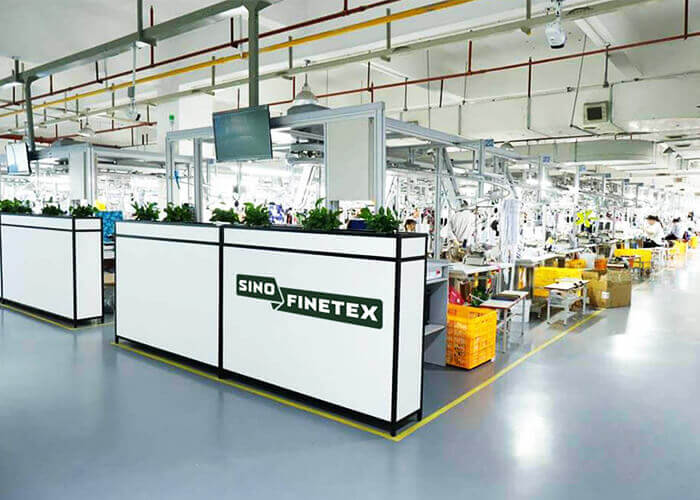
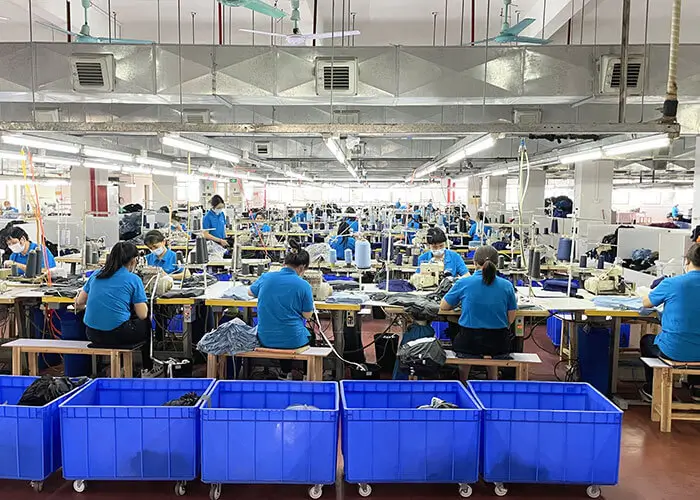
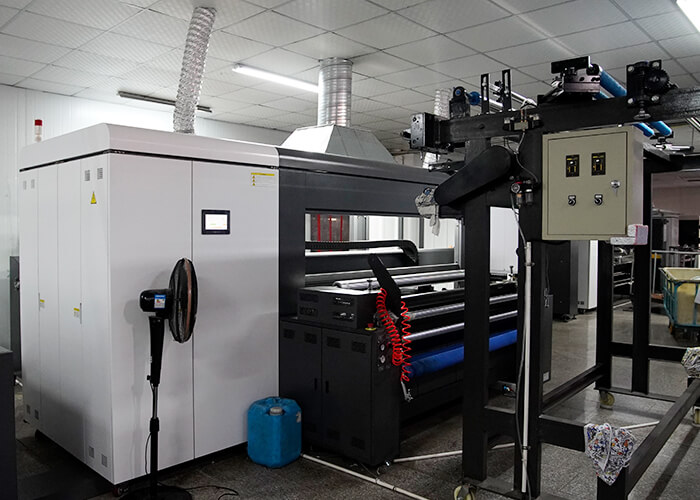
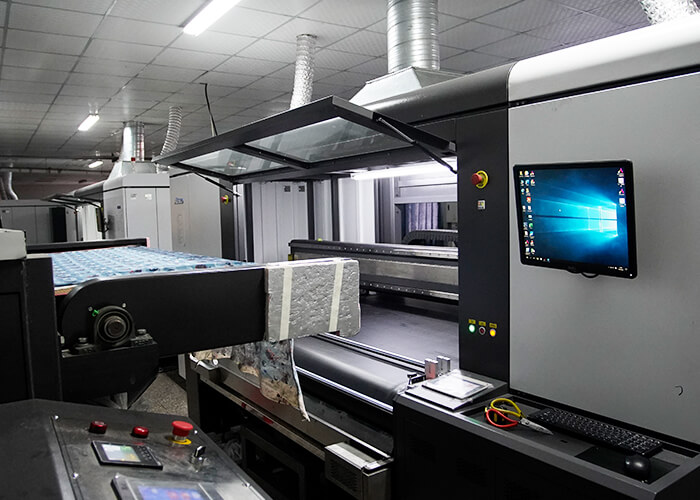
Inside Sino Finetex: The Factory Trusted by Global Brands

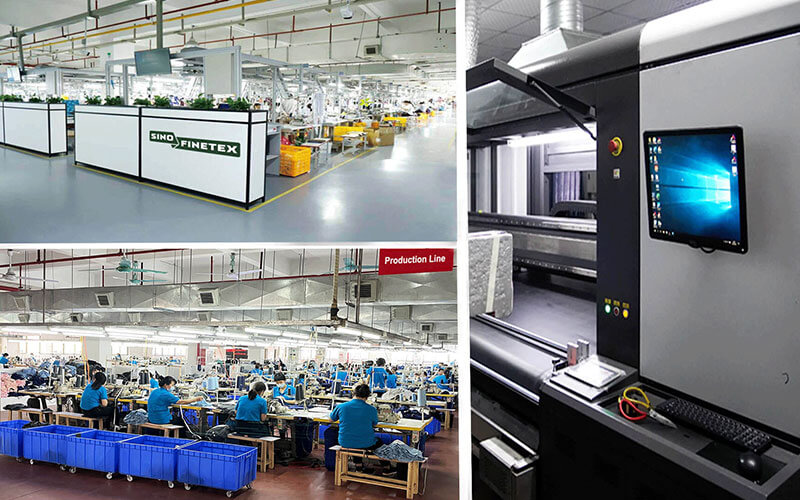
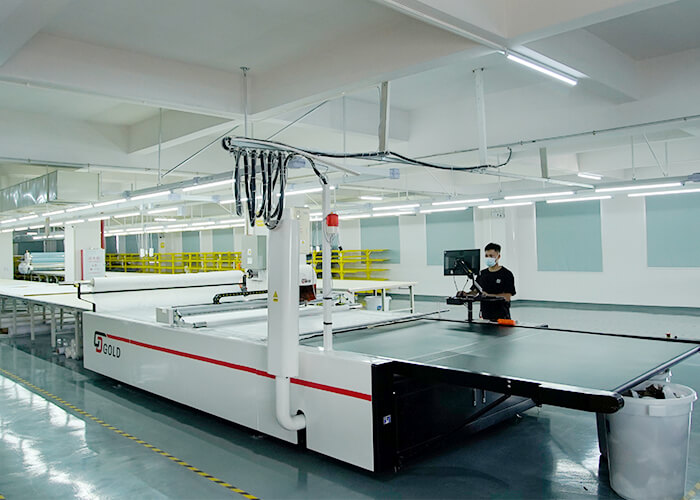
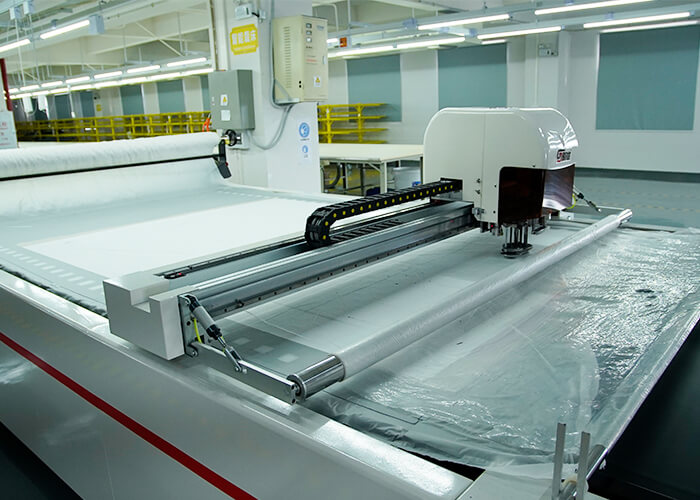
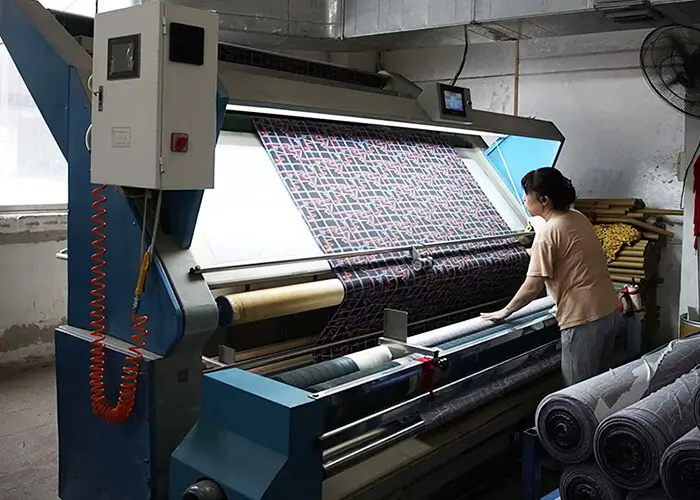
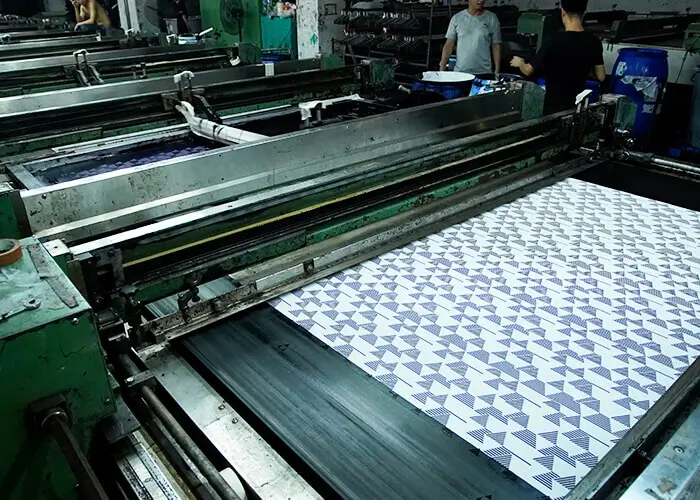
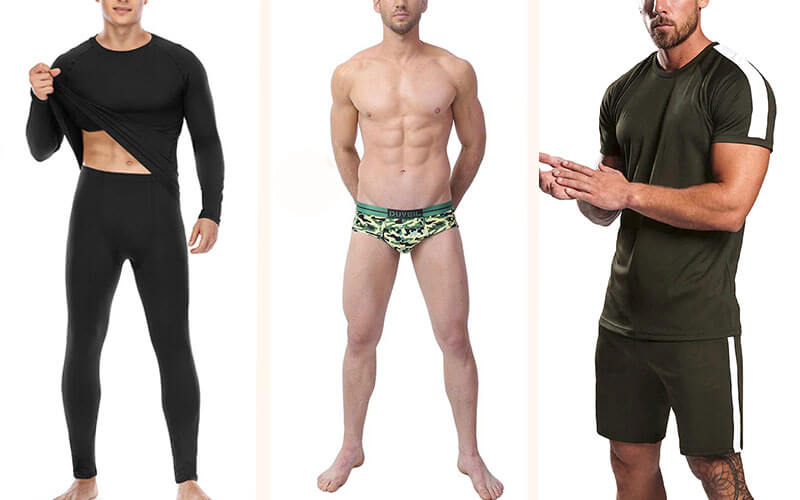
Over 20 years of expertise, trusted by leading global brands worldwide. From premium fabrics to finished products — including underwear, loungewear, and sportswear — we deliver quality at every step.

How Does Design for Disassembly Work in Pajama Manufacturing?

Design for disassembly in pajamas uses monofilament threads, modular seams, and single-fiber fabrics for easy separation. Manufacturers avoid mixed blends, enabling mechanical recycling without energy-intensive processes. Chinese OEM factories like Sino Finetex apply this for wholesale EPR compliance.

This approach minimizes waste by allowing parts reuse or recycling. Pajama suppliers in China employ reversible fasteners and standardized components, reducing disassembly energy by up to 70% compared to shredding.

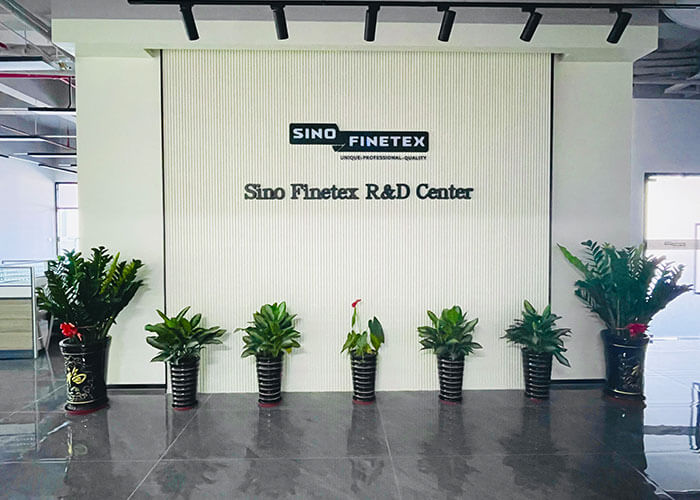
Sino Finetex leverages its R&D center with patented algorithms for fitting designs that prioritize modularity. As a B2B supplier, they customize OEM solutions for brands exporting to regulated markets.

Practical steps include selecting recyclable polyester or cotton blends. This ensures pajamas disassemble into clean fibers, vital for circular supply chains.

What Changes for Chinese Pajama Manufacturers under EPR?

Chinese pajama manufacturers must adopt monomaterial designs, track supply chains, and certify recyclability for EPR compliance. While China advances EPR pilots, global exports to EU/California require PRO registration and fee payments by 2026-2027. Wholesale factories focus on disassembly-ready production.

As top exporters, China factories face indirect mandates via import rules. They shift to sustainable threads and labeling for traceability. Sino Finetex, with 20+ years in underwear and homewear, leads with full supply chain control from yarn to packaging.

Invest in R&D for patents like Sino Finetex’s fabric inventions. Partner with wholesalers for bulk OEM runs compliant with international standards.

China Factory Adaptations Impact on Wholesale
Monofilament Use Easier Recycling
Supply Chain Traceability EPR Reporting
Eco-Materials Lower Fees
Modular Designs Market Access

Which Materials Are Best for EPR-Compliant Pajamas?

Best materials for EPR-compliant pajamas are monomaterials like 100% cotton, recycled polyester, or wool—avoiding mixed fibers. These enable clean disassembly and high recycling yields. Chinese suppliers source eco-yarns for wholesale OEM production.

Monomaterials simplify sorting, key for PRO efficiency. Recycled polyester dominates for durability in homewear. Sino Finetex innovates with functional fabrics patented for compression and sustainability.

Blends increase fees; pure fibers qualify for eco-modulation discounts. Factories wholesale these to brands targeting green consumers.

How Can Suppliers Ensure EPR Compliance in Wholesale?

Suppliers ensure EPR compliance by joining PROs, reporting sales volumes, and designing for recyclability with disassembly features. Chinese factories audit chains and certify materials. OEM partners like Sino Finetex provide compliant prototypes for bulk wholesale.

Steps include material passports and lifecycle assessments. Wholesale manufacturers test disassembly protocols early. Sino Finetex’s quality system covers development to production, ideal for B2B.

Collaborate with recyclers for validation.

Sino Finetex Expert Views

“As a leading Chinese manufacturer and OEM supplier for homewear like pajamas, Sino Finetex is ahead of the EPR curve. Our 20+ years of experience, coupled with 3 fabric patents and full supply chain control, enable us to deliver disassembly-ready designs using eco-friendly monomaterials. We help wholesale clients comply with 2026 EU and California laws by simplifying constructions—monofilament threads, modular seams—and providing traceable, recyclable products. Our R&D engineers ensure perfect fitting while prioritizing circularity, reducing end-of-life costs for brands. Partner with us for sustainable, high-quality bulk production that meets global EPR standards.”
— Sino Finetex R&D Director (148 words)

When Will EPR Fully Impact Global Pajama Supply Chains?

EPR fully impacts global pajama supply chains by 2028: California rollout post-2026 PRO approval; EU operational by April 2028. China exporters adapt now for compliance. Manufacturers prepare designs immediately.

Timelines vary: US states phase in 2026-2028. Chinese factories ramp up now for exports.

Why Choose Chinese Factories for EPR-Ready Pajama Wholesale?

Chinese factories excel in EPR-ready pajama wholesale due to advanced R&D, cost-effective scaling, and supply chain control. Suppliers like Sino Finetex offer patented eco-fabrics and OEM customization for disassembly compliance.

They provide speed and innovation unmatched globally.

Key Takeaways: EPR mandates drive disassembly in pajamas; focus on monomaterials. Chinese manufacturers like Sino Finetex lead OEM wholesale with sustainable expertise. Actionable advice: Audit designs, partner with compliant factories, join PROs early for fee savings.

FAQs

What does EPR mean for pajama brands?
Brands fund post-consumer recycling via PROs, favoring disassembly designs from suppliers.

Are mixed fibers banned under EPR?
Not banned, but penalized with higher fees; monomaterials preferred for compliance.

How does Sino Finetex support EPR?
Through patented fabrics, modular designs, and full OEM services for wholesale.

When must producers register for EPR?
California by July 2026; EU varies by 2027-2028.

Can Chinese factories export non-EPR pajamas?
To regulated markets, no—compliance required for sales.

your reliable clothing manufacturer

Request a Sample & Pricing Information

Get in touch