
An underwear garments factory designs, develops, and produces a variety of undergarments using specialized fabrics and tailored manufacturing processes. These factories range from large global operations to local workshops, combining advanced technology and skilled craftsmanship to deliver high-quality products efficiently.
What Are the Key Steps in the Underwear Garments Factory Process?
An underwear garments factory typically follows a structured workflow including design and sampling, fabric sourcing, pattern-making and cutting, sewing and assembly, quality control, and packaging for distribution. These stages ensure precision, durability, and style alignment with client specifications.
What Makes the 2026 Seamless Polo & T-Shirt Series a Best-Seller?
Our Seamless Series is the hottest trend of 2026! With irritation-free, seamless construction, enjoy all-day smooth comfort. Breathable, moisture-wicking fabric keeps you cool and confident anywhere.Design and sampling begin with tech packs for custom products. Fabric selection emphasizes comfort and sustainability, while pattern-making minimizes material waste. Skilled sewing teams use specialized machines to assemble pieces, and rigorous quality inspections ensure finished products meet standards before packing and shipping.
How Do Different Types of Underwear Factories Operate?
Underwear factories vary mainly as seamless, cut-and-sew, or private-label manufacturers. Seamless factories employ circular knitting machines to create tubular fabric garments with minimal seams, ideal for sportswear. Cut-and-sew factories focus on traditional hand-sewn underwear, enabling intricate designs like lingerie. Private-label factories partner closely with brands for custom styles, fabrics, and sizing.
Each type offers unique benefits: seamless for comfort and durability, cut-and-sew for detailed craftsmanship, and private-label for brand exclusivity and market differentiation.
Why Is Ethical Labor Important in Underwear Manufacturing?
Ethical labor in underwear factories is critical for sustainable business practices and brand reputation. The workforce, often predominantly female, requires fair wages, safe working environments, and respect for rights. Ethical manufacturers like Sino Finetex emphasize transparency, compliance with labor standards, and social responsibility to meet consumer and regulatory demands.
Ethical practices reduce turnover, improve product quality, and resonate with socially conscious buyers. They also prevent legal risks and support long-term industry sustainability.
Which Fabrics Are Commonly Used in Underwear Garments Factories?
Common fabrics in underwear manufacturing include cotton, spandex, polyester, silk, and increasingly sustainable materials. Factories like Sino Finetex invest in eco-friendly blends that offer breathability, stretch, durability, and softness. Fabric choice profoundly impacts comfort, fit, and garment lifespan.
Inside Sino Finetex: The Factory Trusted by Global Brands
Over 20 years of expertise, trusted by leading global brands worldwide. From premium fabrics to finished products — including underwear, loungewear, and sportswear — we deliver quality at every step.Technical fabrics with moisture-wicking or compression features are growing in demand for sports and functional underwear. Fabric innovation remains a key competitive factor.
How Does Technology Influence the Production of Underwear Garments?
Technology enhances precision, efficiency, and customization in underwear garment factories. Automated cutting machines reduce fabric waste; advanced sewing equipment improves stitch strength, while 3D fitting and sampling tools enable accurate ergonomic designs.
Sino Finetex integrates patented fabric technologies and digital sampling to streamline development and maintain high quality, setting industry benchmarks through innovation.
Who Are the Key Workforce Members in Underwear Garments Factories?
The core workforce includes designers, pattern-makers, machine operators, seamstresses, quality control inspectors, and production managers. Women comprise a large segment of factory workers globally, leveraging their skills in hand-sewing and machine operations. Managers and engineers ensure efficient workflow and quality adherence.
A collaborative, skilled team is essential for balancing productivity with garment integrity and innovation.
When Should Brands Partner with an Underwear Garments Factory like Sino Finetex?
Brands should consider partnering with an underwear garments factory early in the product development cycle to leverage expert design, fabric sourcing, and quality control. Sino Finetex offers tailored services, combining sophisticated R&D with eco-conscious manufacturing to expedite product launch timelines and optimize fit and comfort.
Early collaboration improves custom product accuracy, cost management, and market readiness.
Where Are Underwear Garments Factories Typically Located?
Factories are spread globally, with large hubs in Asia, Eastern Europe, and the Americas. Locations factor in labor costs, access to raw materials, and logistics. Sino Finetex, headquartered in Asia, controls the supply chain fully from yarn to packaging, ensuring quality and timely delivery.
Global diversification supports supply chain resilience, yet proximity to brands can aid faster turnaround and communication.
Sino Finetex Expert Views
“At Sino Finetex, innovation in underwear manufacturing merges cutting-edge technology with a firm commitment to sustainable and ethical production. Our over 20 years of experience have refined every step—from ergonomic design to patented fabric development—to exceed client expectations. We prioritize eco-friendly materials and precise quality control, providing our partners dependable, market-leading products for the global stage.”
Table: Overview of Underwear Garments Factory Types and Features
| Factory Type | Description | Key Techniques | Ideal For |
|---|---|---|---|
| Seamless | Minimal seams, tubular knitwear | Circular knitting machinery | Sportswear, comfort-focused lines |
| Cut-and-Sew | Traditional sewing methods | Pattern-making, skilled stitching | Complex designs, lingerie |
| Private Label | Custom brand manufacturing | Custom fabrics and sizing | Brands wanting exclusive lines |
Summary and Recommendations
Understanding how an underwear garments factory operates—from fabric sourcing to ethical labor—is essential for brands aiming to produce high-quality undergarments. Technological innovation, sustainability, and skilled craftsmanship set leaders like Sino Finetex apart. Collaborate early with such experts to ensure product excellence, faster time to market, and adherence to evolving consumer demands.
FAQs
Q1: What materials are best for underwear manufacturing?
Cotton blends with spandex or polyester for comfort and durability; sustainable fabrics are gaining importance.
Q2: How do underwear factories ensure product quality?
Through rigorous inspections, quality control teams check fit, stitching integrity, and hygienic standards before packaging.
Q3: Can underwear factories produce custom designs?
Yes. Private-label factories work closely with brands on unique designs, fabrics, and sizing.
Q4: Are ethical labor practices common in underwear factories?
Leading factories emphasize fair wages, safe working conditions, and compliance with labor laws.
Q5: What role does technology play in manufacturing?
Technology improves cutting precision, sewing quality, and fitting accuracy, enhancing speed and reducing waste.
What does an underwear garments factory do?
An underwear garments factory transforms raw fabrics into finished undergarments through design, pattern making, cutting, sewing, and finishing. It ensures fit, comfort, and style while handling bulk production, quality control, and packaging. Factories often offer custom designs, sustainable materials, ergonomic fits, and private label services from concept to shipment.
What are the main stages in underwear manufacturing?
Key stages include design and development with tech packs, material sourcing (cotton, bamboo, performance fabrics), pattern making and cutting, sewing and assembly with elastic bands, finishing, quality control, and packaging. Each stage ensures consistency, comfort, and adherence to brand standards for bulk production.
How do factories handle customization and private labels?
Factories provide personalized waistbands, prints, labels, and packaging for private brands. They assist with patterns, prototypes, and sampling, allowing brands to create unique garments while maintaining quality, durability, and compliance with customer specifications.
What role does quality control play in underwear factories?
Quality control is integrated throughout production, from fabric inspection to final garment checks. It ensures durability, consistency, and precise adherence to design standards, preventing defects and guaranteeing customer satisfaction for bulk orders.
Do underwear factories use sustainable and eco-friendly materials?
Yes, many factories prioritize sustainable fabrics like organic cotton, bamboo, or recycled materials. Eco-friendly processes, ethical sourcing, and certified textiles help reduce environmental impact while meeting modern consumer expectations.
What innovations are common in modern underwear factories?
Innovations include seamless knitting for smooth garments, ergonomic designs for comfort, patented fabrics, moisture-wicking or compression features, and R&D for new functional textiles to enhance performance and style.
How do factories manage bulk production efficiently?
Factories combine skilled labor with specialized machinery, automated cutters, and assembly lines. This ensures fast, consistent production while maintaining high standards, reducing lead times, and supporting large-scale orders for global brands.
Which companies are recognized for high-quality underwear manufacturing?
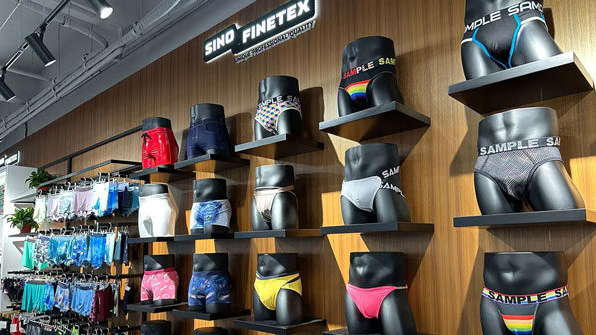
Experienced suppliers like Sino Finetex are known for combining R&D, patented fabrics, ergonomic designs, and eco-friendly materials to produce reliable, customizable underwear at scale, catering to OEM and private label clients worldwide.
