
The waistband is the first point of fit failure in underwear: it rolls, digs, stretches out or loses its grip long before the body fabric wears out. For an OEM line, the band choice is therefore a technical decision with brand consequences — it determines how the garment feels against the skin, whether it stays in place during movement, how your logo appears, and what the piece costs. This guide compares fold-over elastic, exposed elastic, silicone-grip bands and jacquard bands across comfort, durability, branding and testing, so you can specify the right construction in the tech pack instead of discovering it in customer complaints.
What a waistband must do besides stay up
A waistband must hold the garment in place without rolling or digging, keep tension and recovery through dozens of washes, and carry the brand’s logo. Fold-over elastic maximizes comfort, exposed elastic maximizes branding, silicone grips maximize stay-put performance, and jacquard knits logos into the band.
Staying up is the minimum, not the job. A waistband must hold the garment at the intended position without rolling or digging in, distribute pressure evenly so it does not mark the skin, keep its tension and recovery across dozens of washes, and carry whatever branding the design requires — printed, woven or jacquard. Each construction trades these requirements differently: a soft fold-over band maximizes comfort but offers limited branding, while a structured exposed-elastic band shows the logo but can irritate sensitive skin if the elastic edge is rough. The right choice depends on the style, the body types you size for, and the price point of the line. Defining the band’s performance requirements before sampling prevents the most common OEM failure: approving a band that looks right in the sample room and fails in the wash.
Fold-over elastic: softness and simplicity
Fold-over elastic (FOE) wraps the elastic core in a soft fabric layer, so the band lies flat against the skin with no exposed rubber edge. It is the most comfortable option for everyday wear and the easiest to specify: one folded band, one seam, no print registration to manage. The trade-offs are branding and structure. FOE offers a limited logo surface and lower stiffness, so it works best for value and basics lines where comfort is the selling point and the brand mark is small. Because the fabric layer hides the elastic, the band also hides defects — check the recovered width and edge curl on samples, not just the touch. For plus sizes, a wider FOE distributes pressure better than a narrow one, which makes it a practical default for inclusive ranges.
Exposed elastic: branding and structure
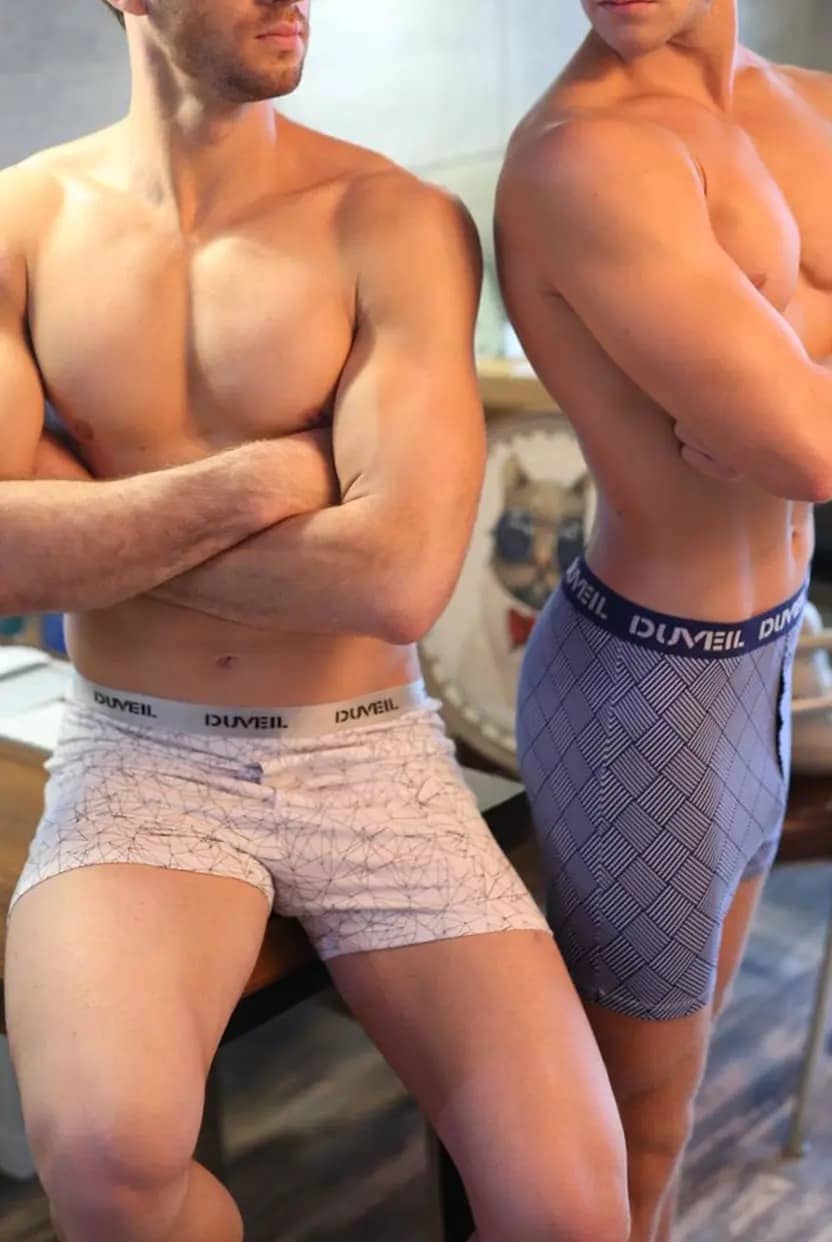
Exposed elastic puts the band on the outside of the garment with the logo printed, woven or stitched directly onto it — the construction most shoppers associate with mainstream underwear brands. It gives the waistband structure, keeps its width under tension, and turns the band into a brand surface. The cost is next-to-skin comfort: if the elastic edge is unfinished or the material is stiff, it can dig in or irritate, so specify a soft-edge or brushed elastic for sensitive markets. The industry is moving toward stitch-free constructions — Calvin Klein’s bonded “Infinity Bond” waistband is one high-profile example, as Fibre2Fashion reported on its spring 2026 underwear line. For OEM, exposed elastic is the branding workhorse: specify width, print type and edge finish in the tech pack.
Silicone-grip bands for stay-put performance
Silicone-grip bands add a thin silicone layer on the inside of the band that grips the skin and prevents ride-up, which makes them the default for sports, compression and performance underwear where staying in place matters more than softness. The grip works by friction, so it is most effective on a snug fit — on a loose or relaxed-fit garment the band has nothing to grip against and the silicone just adds cost. The durability trade-off is real: silicone loses grip with fabric softeners, high-heat drying and repeated washing, so the band must be tested over its wash life, not just at the sample stage. Specify silicone width and placement in the tech pack and test recovery and grip after 20–50 washes. For performance lines, pair the grip band with a higher-stretch body fabric so the whole garment works as one system.
Jacquard bands: logos knit into the waistband
A jacquard band knits the logo directly into the elastic during weaving, so the branding never prints, cracks or washes off. This is the premium construction: the logo is part of the band structure, the texture reads clearly, and the band feels more substantial than a printed elastic. The trade-offs are cost and lead time — jacquard bands are made to order, usually in minimum widths and quantities, and pattern changes mean new band development. For seamless garments, jacquard logos can also be knitted into the fabric itself, which removes the separate band entirely; Sino Finetex’s men’s underwear manufacturing uses this approach for seamless and printed lines. Use jacquard when the waistband is a deliberate brand statement and the line’s price point supports the extra cost.
Choosing band width by style and body type
Band width is a functional parameter, not a style detail. Typical underwear waistbands run from about 2 cm up to 4–5 cm: narrow bands feel lighter and suit low-rise or everyday styles, while wider bands spread pressure over more surface area and support high-rise and plus-size garments without digging in. For compression and sports styles, a wider, structured band helps the garment stay anchored during movement. Match the width to the body type the size covers — a 4XL with a narrow band concentrates all the holding force on a thin strip of skin, which is a return-generating fit failure. Specify width per size if your range spans a wide measurement spread, and confirm the width holds under tension rather than narrowing when stretched.
How bands affect washing and durability
Washing is where waistbands fail, and the failure mode depends on construction. Printed elastics lose their logo with abrasion and heat; silicone bands lose grip with fabric softeners; FOE bands can curl or lose recovery as the fabric layer relaxes; and any band can permanently stretch if the elastic is underspecified for the body fabric. Because laundering behavior changes over time, test bands across a wash cycle ladder — 1, 5, 20 and 50 washes — using a defined domestic washing procedure such as ISO 6330, which standardizes laundering for textile testing. Set pass criteria for tension, recovery and appearance at the final wash point, not the first. A band that looks perfect in the sample room and relaxes after ten washes is a product defect that only shows up in returns.
Band cost and sourcing implications
Waistband cost climbs in a predictable ladder: fold-over elastic is the least expensive, exposed printed elastic adds print cost, silicone-grip bands add material and application cost, and jacquard bands are the most expensive because they are made to order. For an OEM line, the band also affects sourcing: custom jacquard bands need development lead time and minimum quantities, while standard FOE and printed elastics are available off the shelf. Specify the band width, material, print type and edge finish in the tech pack, and ask the factory to confirm sourcing lead times before sampling. OEKO-TEX STANDARD 100 certification of the band material matters for next-to-skin garments, because the band sits directly against the skin and must meet the same substance limits as the body fabric.
Testing waistband tension and recovery
Waistband performance is measurable, and it should be specified in numbers rather than adjectives. ASTM D4964 measures tension and elongation of elastic fabrics using a constant-rate-of-extension tester, which tells you how much force the band applies at a given extension — the spec that determines whether the garment stays up without digging in. ASTM D5278 covers elongation of narrow elastic fabrics under static load, the relevant test for the band alone. Define the target force at the extension the garment actually wears, the recovery after repeated stretching, and the same values after washing. If the factory cannot provide test data for the band, treat that as a sourcing risk — the band is a small component with an outsized effect on fit.
Matching the band to your brand identity
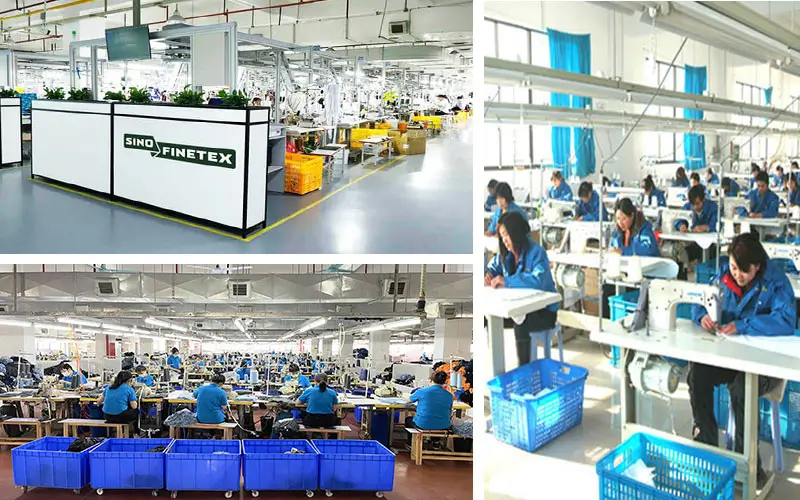
The band is the most visible brand surface in underwear, so the construction should match the positioning. A value or basics line leads with comfort and price, which points to fold-over elastic; a mainstream brand that wants logo visibility on the waistband chooses exposed printed or woven elastic; a premium or technical line justifies the cost of jacquard or silicone-grip constructions. Sino Finetex’s boxer brief manufacturing and sustainability pages show how band materials fit into a broader materials story — organic or recycled elastics exist, but verify certification coverage before claiming it. Write the band choice into the brand guidelines, not just the tech pack, so the identity is consistent across styles and seasons. That consistency matters across launches: changing band construction mid-line confuses repeat buyers and dilutes the recognition the waistband creates.
A waistband decision matrix for buyers
The matrix below summarizes the trade-offs so a buyer can shortlist a construction from the style, branding and performance requirements before sampling. Read it against your own priorities first: if comfort is the non-negotiable for your audience, fold-over elastic wins regardless of cost; if logo visibility is the point, exposed or jacquard constructions justify the extra spend. Use the matrix as a starting point, then verify with band test data and wear trials.
| Band type | Best for | Branding | Comfort | Durability | Cost |
|---|---|---|---|---|---|
| Fold-over elastic | Everyday basics, plus sizes | Limited | Highest | Good | Low |
| Exposed elastic | Mainstream logo lines | Strong | Moderate | Good | Medium |
| Silicone grip | Sports, compression | Low | Moderate | Silicone wears | Medium |
| Jacquard | Premium, seamless | Strongest | High | High | High |
Two notes on using the matrix. Comfort and durability depend on the specific materials and edge finishes, so treat the columns as directional, not absolute. And test the shortlisted band under the actual wash conditions of your target market — a band that passes your lab’s cycle may fail the consumer’s fabric-softener routine.
FAQ
Which waistband is most comfortable for everyday underwear?
Fold-over elastic is generally the most comfortable because the elastic core is wrapped in fabric, so no rough edge sits against the skin. It lies flat, distributes pressure well, and works across a wide range of body types, which makes it the common choice for everyday and plus-size lines. Exposed elastic can be equally comfortable if the edge is finished or brushed; the difference is in the edge treatment more than the construction. For a comfort-first line, start with FOE and verify with wear trials.
Do silicone waistbands survive machine washing?
Yes, but their grip degrades faster than elastic if the care routine is aggressive. Fabric softeners coat the silicone and reduce friction, and high-heat drying accelerates the loss of grip. Specify washing guidance on the label, and test the band over 20–50 washes rather than at the sample stage. A silicone band that holds in the sample room may lose its purpose by wash twenty; the test protocol should match the consumer’s real routine.
Can we put our logo on the waistband at low MOQ?
Yes, but the construction limits what is practical. Printed logos on exposed elastic work at relatively low quantities because the print is applied during production. Woven or jacquard logos are made to order and usually carry higher minimums and longer lead times. For a low-MOQ launch, start with printed elastic or a small jacquard panel, then upgrade the construction as volumes grow. Confirm the minimums with the factory before committing to the design.
How wide should the waistband be?
Width is a function of style, support need and body type. Everyday and low-rise styles typically use narrower bands around 2–3 cm; high-rise, plus-size and performance garments benefit from wider bands of 3.5–5 cm that spread pressure over more surface area. A narrow band on a large size concentrates all the holding force on a thin strip of skin, which causes digging and returns. If your range spans many sizes, consider specifying width per size rather than one width for the whole line.
Choosing a waistband for your next OEM line? Send your style, fabric and branding plans through the contact page — we will recommend band options, provide samples for wear testing and share the test data before you commit to bulk.
