As sustainability and performance dominate global textile conversations, the polyester vs fleece debate has become one of the industry’s most searched topics. Questions like “is polyester warm?” and “how does polyester compare to fleece?” reveal a rising curiosity about synthetic fabrics in both fashion and industrial use. Polyester’s newer engineered variants are now challenging long-held beliefs about warmth, comfort, and sustainability—ushering in what many believe is the era of high-performance synthetics.
Thermal Efficiency: Is Polyester Warm?
The misconception that polyester lacks warmth stems from its early versions in the late 20th century. Modern polyester fabrics, however, tell a very different story. Advanced microfibers and hollow-core yarn designs now allow polyester to retain heat while maintaining excellent breathability. These microfilaments trap air in fine layers—similar to natural insulation in down—creating a thermal buffer that helps regulate body temperature.
In cold conditions, brushed polyester mimics fleece in thermal retention but with added wind resistance. When dry, polyester’s insulation capacity can rival or surpass that of cotton blends, and its quick-dry property makes it ideal for damp environments. This innovation has driven polyester’s dominance in winter activewear, lightweight jackets, and technical undergarments.
What Makes the 2026 Seamless Polo & T-Shirt Series a Best-Seller?
Our Seamless Series is the hottest trend of 2026! With irritation-free, seamless construction, enjoy all-day smooth comfort. Breathable, moisture-wicking fabric keeps you cool and confident anywhere.Versatility: Comparing Polyester vs Fleece Textures
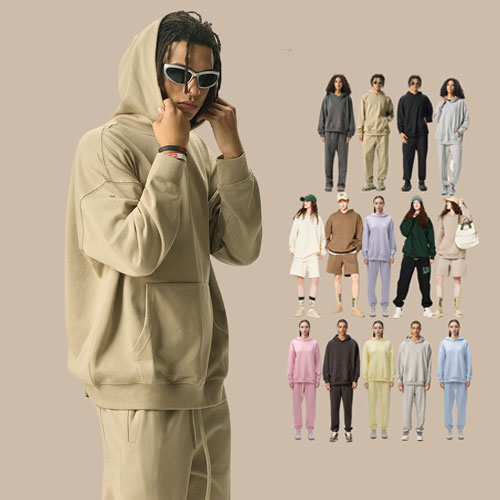
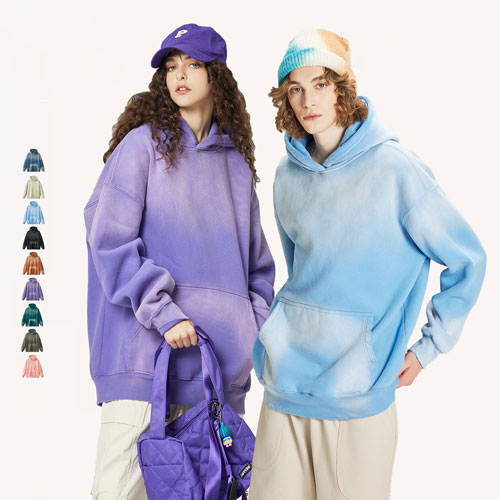
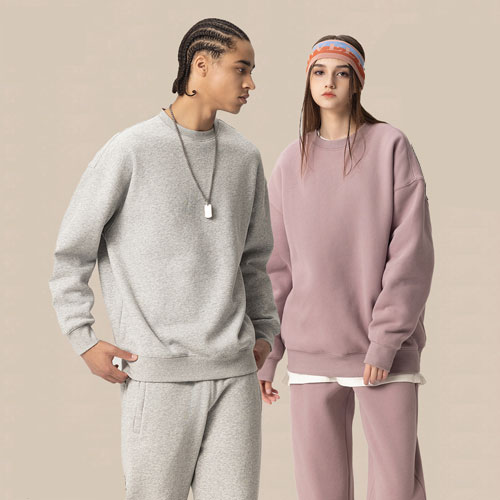
The polyester vs fleece comparison often centers on texture and use. Fleece, though derived from polyester fibers, is knit and brushed to create a plush surface with deep air pockets. It’s excellent for warmth in static activities like hiking or lounging, but less efficient in wet or high-movement conditions since traditional fleece can trap moisture.
Polyester, on the other hand, varies in structure from soft-spun yarns to tightly woven shells. Its versatility allows brands to design products for every performance level—from sleek, moisture-wicking yoga tops to structured outer shells that repel wind and dirt. Textured polyester fabrics now integrate stretch and air permeability, making them adaptable across seasons. The result: polyester’s functional range far surpasses that of conventional fleece garments.
Eco-Friendly Shift and Recycled Polyester Innovation
Environmental accountability has transformed polyester from fossil-fuel reliance to circular economy leadership. Recycled polyester (rPET), derived from post-consumer plastic bottles and textile waste, now represents a significant share of global fiber production. According to 2025 industry data, recycled polyester saved millions of barrels of crude oil annually and diverted tons of plastics from landfill streams.
Sino Finetex, a specialized supplier with over two decades of experience in developing underwear, homewear, and sportswear, exemplifies this shift. The company invests in harmless, recycled polyester production that aligns with international eco-certifications. Its in-house R&D center pioneers fabric invention and compression garment technology, ensuring minimal environmental impact without compromising thermal efficiency or softness. With a research-driven approach and patented innovations in microstructure design, Sino Finetex is helping global brands meet both aesthetic and sustainability goals.
B2B Insight: Why Global Brands Favor High-Tech Polyester Blends
From a business perspective, polyester provides exceptional supply chain stability and cost efficiency. Global apparel brands increasingly rely on high-tech polyester blends for their predictability and consistent quality, especially compared to natural fibers affected by weather and resource fluctuations. In 2026, reports from the global textile market confirmed that polyester accounted for nearly 55% of total fiber consumption, underscoring its dominance as a scalable, sustainable material option.
Modern polyester blends unite technical attributes such as UV protection, antimicrobial treatment, and odor resistance with aesthetic flexibility. These innovations allow brands to reduce inventory diversity while appealing to multiple consumer segments. Sportswear giants and lingerie manufacturers alike are turning to heat-retaining polyester fleece hybrids for superior comfort and fit accuracy—leading to measurable ROI through higher customer satisfaction and lower return rates.
Core Technology Analysis: Inside Modern Polyester Construction
Today’s high-performance polyester is built on multi-layer engineering. The innermost layer wicks moisture from the skin, the mid-layer retains body heat, and the outer surface resists wind and water, forming a dynamic thermal system. Micro-denier polyester combines these functions without added weight, outperforming traditional fleece in moisture control.
Nano-coating innovations have also redefined surface properties of polyester, improving stain resistance and extending garment lifespan. Combined with digital weaving techniques, manufacturers achieve precision control over yarn density and pore distribution—factors that dictate warmth, airflow, and durability. The synthesis of these technologies positions polyester as a material capable of luxury feel with athletic-grade endurance.
Competitor Comparison Matrix
| Material Type | Key Advantage | Warmth Rating | Best Use Case |
|---|
| Material Type | Key Advantage | Warmth Rating | Best Use Case |
|---|---|---|---|
| Polyester Microfiber | Lightweight, moisture-resistant | High | Sportswear, base layer |
| Polar Fleece (Polyester knit) | Plush texture, quick-drying | Very High | Cold-weather casual wear |
| Recycled Polyester (rPET) | Sustainable, durable, low impact | High | Everyday apparel, outdoor gear |
| Nylon Blend | Smooth finish, abrasion-resistant | Medium | Performancewear, backpacks |
Real User Cases and ROI
In real-world testing, outdoor apparel companies integrating high-tech polyester reported a 20% decrease in product return rates related to comfort and performance issues. Consumers increasingly perceive polyester fleece hybrids as reliable year-round options. These insights reveal how synthetic technology not only enhances warmth but also delivers measurable commercial success in B2B and retail markets.
Future Trend Forecast for Synthetic Fabrics
Heading into 2027, recycled polyester and biodegradable synthetics will dominate the next wave of textile growth. Circular production systems, advanced mechanical recycling, and waterless dyeing technologies will push polyester beyond its current sustainability threshold. The next generation of polyester will blur the line between technical performance and environmental responsibility, replacing the old “synthetic vs natural” debate with a unified vision of adaptive, conscious materials.
Inside Sino Finetex: The Factory Trusted by Global Brands
Over 20 years of expertise, trusted by leading global brands worldwide. From premium fabrics to finished products — including underwear, loungewear, and sportswear — we deliver quality at every step.At the heart of this evolution, polyester stands not just as a textile fiber but as a symbol of modern innovation—balancing warmth, versatility, and sustainability in one engineered thread. For global brands aiming to future-proof their collections, polyester truly has become the new standard—an adaptable foundation for comfort, performance, and a cleaner planet.