
Men are swapping synthetic underwear for natural fibers over viral fertility concerns, but fertility experts say underwear material alone rarely impacts male fertility. Doctors emphasize that a tight fit raising testes temperature could reduce sperm quality, while lifestyle factors like age, obesity, smoking, heat exposure, and environmental toxins are the biggest fertility drivers.
(Last modified date: September 1, 2026)
Does underwear affect male fertility? Underwear material alone rarely causes infertility. Tight fits that raise scrotal temperature may reduce sperm quality, but experts find no strong evidence that fabric type (polyester vs. cotton) meaningfully impacts fertility. The biggest drivers are age, obesity, smoking, heat exposure, and environmental toxins.
Key Takeaways
- Viral claims about microplastics and forever chemicals in synthetic underwear lack research validation, per reproductive urologists.
- Tight fit raising testicular temperature is the plausible mechanism, not the fabric itself.
- Evidence level for material affecting fertility is low; direct correlation to infertility has not been found in patient experience.
- Lifestyle factors—age, obesity, smoking, heat exposure, environmental toxins—dominate fertility outcomes.
- Choosing breathable, non-restrictive underwear is still good for comfort and daily wellness.
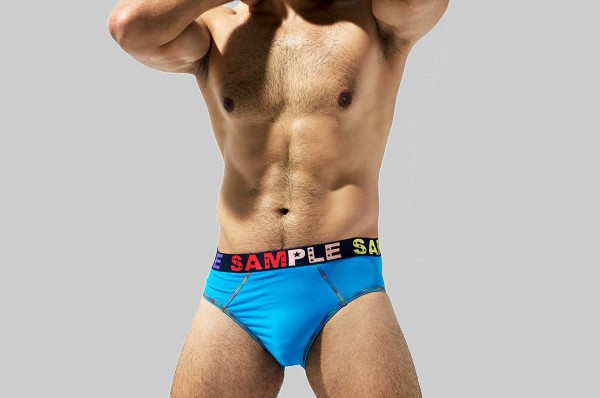
The Viral Trend: Why Men Are Swapping Underwear Over Fertility Fears
A social media movement is sweeping men’s health forums and podcasts: ditch polyester briefs for cotton, wool, and organic fibers over fears that microplastics and forever chemicals could harm fertility. While recent studies suggest microplastics in the environment can carry pollutants into human organs, fertility experts cast serious doubts on underwear material affecting fertility. Dr. Paul Turek, a reproductive urologist in California, told the Journal that while he advises patients to reduce plastic exposure, he has yet to see research validating these concerns.
Expert Insights: What Doctors Say About Underwear and Male Fertility
Dr. Jaime Knopman of CCRM Fertility New York says that theoretically, wearing briefs can pose a fertility risk—but not just because of the material. Dr. Alex Robles of Columbia University Fertility Center echoes that there is no strong evidence that specific fabrics alone have a meaningful impact on male fertility, though some men may see small improvements if they move away from very tight styles that increase heat production and retention.
The Science on Tight Underwear and Sperm Quality
| Factor | What Experts Say | Evidence Level |
|---|---|---|
| Material (polyester vs. cotton) | No strong evidence fabrics alone impact fertility | Low |
| Tight fit raising temperature | Theoretically could reduce sperm quality/quantity | Moderate |
| Direct correlation to infertility | Not found in patient experience | High |
| Switching underwear alone | Rarely causes meaningful fertility changes | High |
Higher scrotal temperatures from any source—heat exposure, tight clothing, prolonged sitting or cycling—have been linked to reduced semen quality in some studies.
What Actually Drives Male Fertility Decline
The biggest drivers of male fertility decline are age, obesity, smoking, heat exposure, environmental toxins, and underlying medical conditions. Doctors recommend lifestyle modifications: quality sleep for hormonal balance, antioxidant-rich foods, regular exercise, and medical evaluation with a urologist when needed.
Actionable Advice: What Men Can Actually Do to Support Fertility Health
- Choose Comfortable, Non-Restrictive Underwear: avoid excessive heat exposure; cut out long hot baths and cycling without proper gear.
- Avoid Heat Exposure Sources: hot baths and saunas, tight pants during sports, prolonged sitting without breaks.
- Reduce Toxin Exposure: stop smoking, limit alcohol, increase food variety with antioxidants, avoid estrogenic products.
- Know Your Medications: treatments for cancer, inflammatory bowel disorders, and blood pressure can reduce sperm quality.
- Maintain Healthy Lifestyle Habits: healthy weight, reduced stress, frequent intercourse when trying to conceive, and quality sleep.
When to See a Fertility Specialist
If struggling with fertility, see a specialist—the first test is a simple, cheap, non-invasive sperm count. Most fertility cases can be corrected with medical therapy, and any lifestyle changes take at least 10–12 weeks to produce positive changes in sperm quality.
Choosing the Right Underwear: Comfort, Fabric, and Breathability Matter
Underwear material isn’t the fertility magic bullet social media suggests, but comfortable, breathable fabrics that don’t trap heat still support daily wellness. Prioritize breathable natural fibers (cotton, bamboo viscose, modal, merino wool), moisture-wicking properties, non-restrictive fits, seamless construction, and eco-friendly materials.
Sino Finetex Men’s Underwear: Engineered for Comfort, Breathability, and Sustainability
Sino Finetex offers OEM and ODM solutions with breathable fabrics, ergonomic fits, and sustainable materials. With 20+ years of underwear production experience, the company combines R&D credentials (3 fabric invention patents, 18 utility model patents, 6 appearance patents, 20+ software copyrights for compression algorithms) with fabric innovations like bamboo viscose, modal/cotton hybrids, moisture-wicking nylon/spandex, antibacterial yarns, and seamless construction.
Why Sino Finetex Stands Out as Your Sourcing Partner
| Feature | Sino Finetex Advantage |
|---|---|
| Experience | 20+ years in underwear, homewear, sportswear |
| R&D Credentials | 3 fabric invention patents, 18 utility model patents, 6 appearance patents |
| Software IP | 20+ software copyrights for compression garment algorithms |
| Fabric Innovation | Moisture-wicking, breathable, antibacterial yarn technologies |
| Sustainability | Bamboo viscose, recycled nylon, organic cotton, Tencel options |
| Supply Chain | Full yarn-to-packaging control |
| MOQ Flexibility | 300-piece low-MOQ for startups, bulk for established brands |
| Certifications | ISO 9001, ISO 14001, OEKO-TEX Standard 100, GOTS |
Sourcing from Sino Finetex: MOQ, Lead Time, and Pricing
| Parameter | Sino Finetex Standard | Low-MOQ Option |
|---|---|---|
| MOQ per style | 300–3,000 pieces | 300 pieces (stock fabric) |
| Sample lead time | 7–21 days | 7 days (simple styles) |
| Bulk lead time | 30–45 days | 30 days (stock fabric) |
| Unit cost (500 pcs) | .50–.00 | .50 |
| Unit cost (3,000 pcs) | .80–.50 | 12–18% lower at volume |
Payment terms: 30% upfront, 70% before shipping. Trade terms: FOB, CIF, DDP available. Facilities: Shanghai factory (conventional knitting) and Dongguan facility (seamless equipment).
Bottom Line: Don’t Panic About Underwear, But Choose Quality
The viral underwear-fertility trend reflects real concerns about microplastics and environmental health, but doctor consensus is clear: changing underwear material alone won’t solve infertility. While switching from very tight styles to comfortable, non-restrictive underwear could provide small sperm quality improvements, the biggest fertility drivers remain age, obesity, smoking, heat exposure, and environmental toxins. For brands, the takeaway is that men want breathable, comfortable, sustainable underwear that supports daily wellness without sacrificing performance.
FAQs
Should I switch to 100% cotton underwear for fertility?
Cotton is breathable and comfortable, but experts find no strong evidence that fabric type alone meaningfully impacts fertility. Switching from very tight styles to loose, breathable fits is the more relevant change.
Can microplastics in synthetic underwear affect sperm count?
Microplastics in the environment are a growing health concern, but reproductive urologists say there is no research validating that underwear material specifically affects fertility.
Does polyester underwear raise scrotal temperature?
Polyester can trap more heat than natural fibers, and elevated scrotal temperature may reduce sperm quality—but fit and heat exposure matter more than the fabric alone.
How long does it take for underwear changes to affect sperm quality?
Any lifestyle changes to improve fertility take at least 10–12 weeks to produce positive changes in sperm quality.
What should brands prioritize when sourcing men’s underwear?
Prioritize breathable natural fibers, moisture-wicking performance, non-restrictive ergonomic fits, seamless construction, and eco-friendly materials—with verified lab data and certifications.
Related Articles
- Which Underwear Options Best Support Men’s Fertility?
- Does Underwear Fabric Affect Male Fertility?
- Are Boxers Better for Male Fertility?
Official Resources
References
- Doctor statements (Dr. Paul Turek, Dr. Jaime Knopman, Dr. Alex Robles) are quoted from the original article’s interviews; consult primary sources directly [VERIFY].
