To source a textile manufacturer in China, begin with a measurable fabric specification and verify the legal mill, actual production site, machinery, fiber supply, knitting or weaving, dyeing, printing, finishing, testing, chemistry controls, capacity, minimums, and delivery plan.
Last updated:
China sourcing results mix mills, traders, agents, markets, and garment factories. Each can be useful, but the seller, producer, subcontractors, and payment recipient must be clear before sampling or deposit.
Mill, trader, agent, or market?
| Source | Strength | Buyer control |
|---|---|---|
| Integrated mill | Direct process and capacity visibility | Verify every claimed in-house stage |
| Specialist mill | Depth in one knit, weave, print, or finish | Map outsourced wet processing |
| Trader | Range and smaller consolidated orders | Disclose actual mills and substitutions |
| Sourcing agent | Search, coordination, inspection | Define fees, conflicts, and accountability |
| Fabric market | Fast discovery and stock sampling | Trace stock to reproducible source |
Write a complete fabric specification
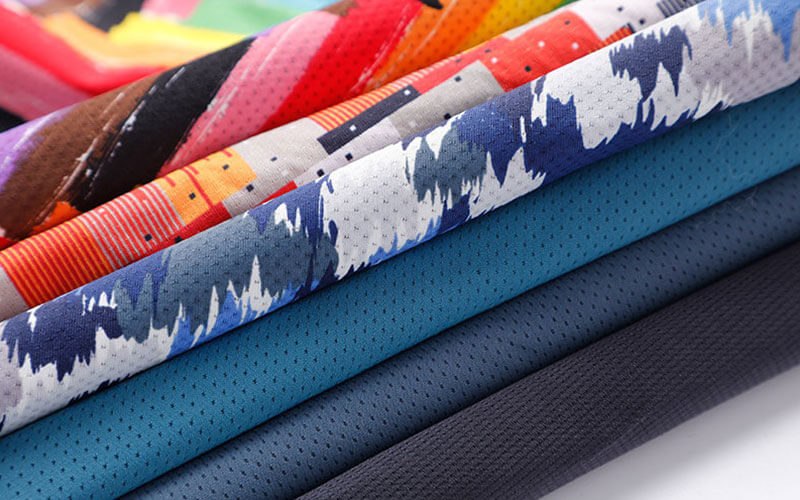
State generic fiber content, yarn type and count, woven or knit construction, density or gauge, weight, usable width, color, repeat, finish, hand feel, stretch, recovery, shrinkage, spirality, colorfastness, pilling, abrasion, strength, care, restricted-substance limits, end use, quantity, destination, and claim requirements.
Verification and sampling
- Match the Chinese legal entity, business license, registered address, bank account, mill site, and exporter.
- Inspect machines, laboratory, quality records, current orders, capacity, and subcontractors.
- Approve construction sample, color lab dip or strike-off, finish, hand standard, and bulk-intent yardage.
- Test the exact material lot for composition and end-use performance.
- Set roll inspection, shade grouping, defect-point method, usable width, packing, and claim documentation.
- Run a pilot and reserve approved standards for repeat orders.
MOQ, cost, and lead time
Minimums may arise at yarn spinning, greige knitting or weaving, dyeing, printing, finishing, coating, or certification. Ask the quote to identify material, processing, testing, packing, sampling, setup, surcharges, freight, and Incoterm. State when lead time begins and who owns leftover yarn or fabric.
Quality and compliance
A mill test report should match the product code, lot, method, laboratory, date, and destination requirements. Define restricted-substance controls and claim evidence before production. Certifications need verification of issuer, number, entity, site, scope, product, and validity; a logo on a sales deck is insufficient.
FAQ
How do I know whether a supplier is a textile mill?
Verify legal and factory identities, inspect the equipment and records, and map every outsourced process and payment relationship.
What should I approve before bulk production?
Approve construction, fiber, weight, width, color, finish, hand, performance, testing, roll standard, packing, and claim documents.
Why can fabric MOQ be high?
Yarn, machine setup, greige lots, dyeing, printing, finishing, and certification each have economic batch sizes.
Should I source from a market or factory?
Markets are useful for discovery and stock; direct mills are useful for reproducible custom production. Verify traceability in either case.
Official reference
U.S. Customs and Border Protection importer guidance explains importer responsibility for classification, valuation, origin, and admissibility.