
Sublimation printing on white seamless bases is a digital textile process that bonds vibrant, full-color graphics directly into the polymer fibers of 100% polyester fabric. This technique, ideal for all-over-print T-shirts and custom sportswear, creates durable, breathable designs with no tactile feel. The white seamless base provides a pristine, uniform canvas, ensuring colors appear true and vibrant without the interference of seams or fabric color.
Which Custom Branding Method Works Best for Private Label Seamless Tees?
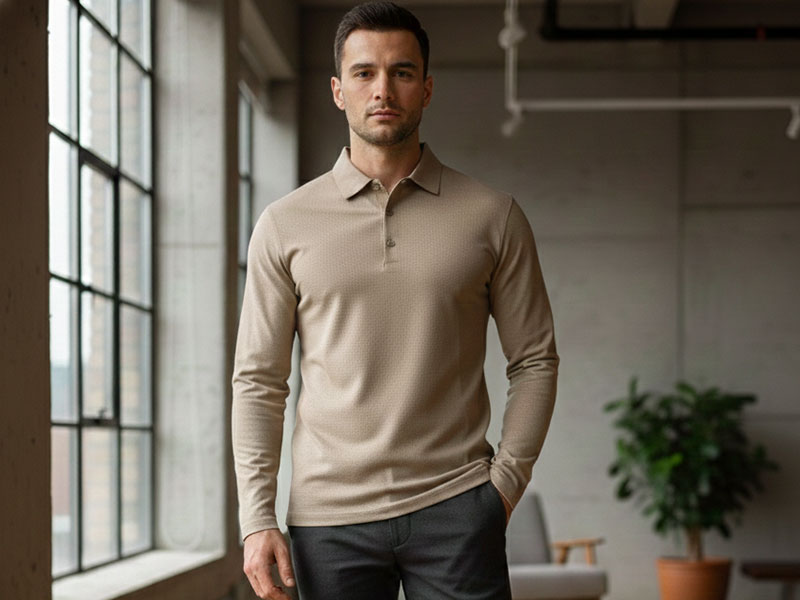
What Makes the 2026 Seamless Polo & T-Shirt Series a Best-Seller?
Our Seamless Series is the hottest trend of 2026! With irritation-free, seamless construction, enjoy all-day smooth comfort. Breathable, moisture-wicking fabric keeps you cool and confident anywhere.How does sublimation printing differ from other garment decoration methods?
Sublimation printing is a dye-sublimation process distinct from screen printing or direct-to-garment (DTG). It uses heat to turn solid dye into gas, which permanently bonds with polyester fibers at a molecular level. This creates a seamless, all-over design that is part of the fabric itself, offering superior durability and stretch without cracking or peeling, unlike surface-applied inks.
When you compare it to traditional methods, the differences are stark. Screen printing lays a layer of plastisol ink on top of the fabric, which can crack and feel heavy. DTG printing is better for cotton and uses liquid ink that sits on the fiber surface. But what makes sublimation truly unique? The dye becomes part of the polymer chain of the polyester. This means the design won’t fade, crack, or peel through countless washes and stretches. Practically speaking, it’s the go-to for performance wear and complex, photographic designs because the color possibilities are virtually limitless. For example, a sublimated soccer jersey will have the same soft hand-feel and breathability as a blank one, with the graphic integrated into the material.
The technical specifications are precise: heat presses typically operate between 380°F to 400°F (193°C to 204°C) with pressure applied for 45-60 seconds. This ensures complete dye transfer and gas formation. Pro Tip: Always pre-press your garment to remove moisture; even a tiny amount of dampness can cause blurring or uneven dye uptake.
| Method | Best For Fabric | Durability & Feel |
|---|---|---|
| Sublimation Printing | 100% Polyester/White | Bonded to fiber, seamless, soft, no feel |
| Screen Printing | Cotton, Blends, Dark Colors | Surface layer, can crack, tactile feel |
| Direct-to-Garment (DTG) | Cotton, Light Colors | Ink sits on surface, softer than screen print |
Why is a white, seamless base critical for optimal sublimation results?
The white seamless base acts as a pure, reflective canvas that is fundamental to achieving vibrant color accuracy. Seamless construction eliminates visual breaks and potential printing inconsistencies, while the white color allows dyes to show in their truest form, without being muddied by an underlying fabric hue.
Think of it like painting on a pristine white canvas versus a colored one. Any underlying color will alter the final result. In sublimation, the dyes are transparent, so the bright white base reflects light back through the dye, making reds pop, blues deepen, and yellows shine. Beyond color, the seamless aspect is crucial for all-over prints. A side seam can cause misalignment, ghosting, or a visible line where the graphic doesn’t match up. This is why manufacturers like Sino Finetex prioritize advanced circular knitting machines to produce truly seamless tubes of fabric. But what happens if you try to sublimate on a grey or colored shirt? The colors will mix subtractively. A yellow design on a blue shirt will appear greenish. Pro Tip: For the absolute brightest whites and most vivid colors in your final print, insist on a bright white, optical brightener-treated polyester base from your supplier.
Inside Sino Finetex: The Factory Trusted by Global Brands
Over 20 years of expertise, trusted by leading global brands worldwide. From premium fabrics to finished products — including underwear, loungewear, and sportswear — we deliver quality at every step.What are the key steps in the sublimation process for seamless apparel?
The sublimation process workflow involves designing for the garment’s shape, printing with special dyes on transfer paper, and then using precise heat and pressure to transfer the image. For seamless garments, this requires careful alignment and specialized equipment to ensure the print wraps perfectly around the 3D form without distortion.
The journey from digital file to finished garment is a dance of technology and precision. It starts with graphic design, but here’s the catch: you must design for the specific garment’s template, accounting for stretching over curves like shoulders and sides. Next, the mirror image of the design is printed onto large-format sublimation transfer paper using special dye-based inks. Now for the critical transfer phase. The seamless garment, often turned inside out, is carefully mounted on a 3D mannequin or heat press mold. The transfer paper is taped into place with exact alignment. Then, the entire assembly goes into a specialized heat press or oven. Under high heat, the solid dye on the paper sublimates into a gas. This gas penetrates the polyester fibers and, upon cooling, solidifies back into a solid, now permanently locked inside the fabric. The result? A full-color, breathable design that is literally part of the shirt.
What are the advantages of sublimation for sportswear and activewear?
Sublimation offers unmatched design freedom and performance durability for activewear. It allows for intricate, all-over patterns and photorealistic graphics that are lightweight, moisture-wicking, and resistant to cracking from constant movement and washing, making it the premier choice for team uniforms and high-end athletic brands.
Why has sublimation become the gold standard for performance apparel? The answer lies in its synergy with the fabric’s function. Since the dye is inside the fiber, it doesn’t block the microscopic pores in the polyester that allow for breathability and moisture transport. An athlete stays cool and dry. Furthermore, the print stretches and recovers with the fabric itself. Imagine a runner’s tight-fitting shirt; a screen-printed logo might resist stretch, but a sublimated design moves as one with the material. This durability is exceptional—the colors are resistant to chlorine, sweat, and UV degradation. From a branding perspective, the possibilities are endless. Teams can have unique, complex designs for each player without minimum order constraints typical of screen printing. Brands can create stunning gradients and patterns that are impossible with other methods. Practically speaking, this design freedom is a game-changer for brands looking to differentiate in a crowded market.
| Feature | Sublimated Activewear | Traditional Printed Activewear |
|---|---|---|
| Breathability | Unimpaired (dye in fiber) | Can be reduced (ink on surface) |
| Design Complexity | Unlimited colors, photorealistic | Limited colors, halftones for shading |
| Durability to Stretch | Excellent (moves with fabric) | Prone to cracking over time |
What are common challenges and how can they be mitigated?
Common sublimation challenges include color shifting, ghosting, and fabric scorching. These are mitigated through rigorous process control: using ICC color profiles, ensuring perfect paper-to-fabric alignment, and meticulously calibrating time, temperature, and pressure settings on the heat press.
Even with a fantastic process, things can go wrong. Color mismatches between screen and shirt are frequent frustrations. This is often due to incorrect color management; the solution is to use custom ICC profiles for your specific combination of printer, ink, and fabric. Ghosting, or a slight double image, occurs if the paper shifts during transfer. Secure taping and using tacky spray on the heat platen can lock everything in place. Scorching or yellowing of the white fabric is a critical failure caused by excessive heat or time. But what if your vibrant red comes out pink? This is usually a sign of low polyester content or insufficient heat/pressure, preventing full dye migration.
The key to consistency is treating the press like a scientific instrument. Log every variable for every batch. Partnering with an experienced manufacturer like Sino Finetex, with its controlled production environment, inherently mitigates these risks through established protocols and quality checks at every stage.
How does sublimation align with sustainable and eco-friendly practices?
Sublimation printing is considered a relatively eco-friendly method as it produces minimal wastewater, uses dyes with low VOC content, and results in durable garments that reduce fast fashion waste. The waterless process and efficiency of digital printing contribute to a smaller environmental footprint compared to traditional wet printing techniques.
In an industry scrutinized for its environmental impact, sublimation offers several green advantages. The process is fundamentally dry; there’s no water used in the printing or washing-off of excess dye, a stark contrast to methods like pigment printing that generate contaminated wastewater. The dyes themselves are often formulated to have low levels of volatile organic compounds (VOCs). Furthermore, because the prints are so durable, garments last longer, fighting the disposable culture of fast fashion. From a production efficiency standpoint, digital sublimation is on-demand, reducing overproduction and inventory waste. But is it perfect? The reliance on polyester, a petroleum-based fiber, is a point of contention. However, this is being addressed by the rise of recycled polyester (rPET) bases, which Sino Finetex actively incorporates, closing the loop on plastic waste. When you combine durable, long-lasting products with efficient, low-waste production, sublimation presents a compelling case for more responsible apparel manufacturing.
Sino Finetex Expert Insight
FAQs
True sublimation requires a high polyester content (typically 85% or more) for the dye to properly bond. Polyester blends can be used, but colors will be less vibrant and more pastel. It does not work on natural fibers like cotton.
Do sublimated colors fade over time?
High-quality sublimation on 100% polyester is extremely fade-resistant. The dye is locked within the fiber, making it resistant to washing, chlorine, and UV exposure. Fading is more likely with low-quality dyes, improper pressing, or low-polyester fabrics.
Is there a feel or texture to a sublimated print?
No, one of the key benefits is that the print has no tactile feel. The garment remains smooth and breathable because the dye is inside the fiber, not sitting on top of the fabric.
What are the limitations in terms of garment color?
Sublimation dyes are transparent, so they work best on white or very light-colored fabrics. Printing on dark fabrics is not possible, as the dyes cannot overcome the base color. The design will only be visible where the dye lightens or alters the dark fabric tone.
