
Moisture-wicking channels are vertical grooves knitted directly into seamless fabric. They use capillary action to pull sweat away from the skin to the outer surface, where it evaporates faster. By keeping the skin dry, these channels eliminate the moisture that causes friction and chafing. Sino Finetex applies patented algorithm designs to optimise channel depth, spacing, and direction for consistent, anti-chafe performance in every garment.
Check: How Does Seamless Knitting Technology Eliminate Chafing in Anti-Chafing Underwear?
What Makes the 2026 Seamless Polo & T-Shirt Series a Best-Seller?
Our Seamless Series is the hottest trend of 2026! With irritation-free, seamless construction, enjoy all-day smooth comfort. Breathable, moisture-wicking fabric keeps you cool and confident anywhere.What are moisture-wicking channels in seamless knit design?
Moisture-wicking channels are integral vertical structures knitted into the fabric, not post-treatment finishes. They create a directional sweat-transport path using capillary action and fabric geometry. Unlike traditional moisture-wicking coatings, these channels are permanent and remain effective after repeated washing, making them ideal for high-performance intimate apparel and sportswear.
How do vertical channels move sweat away from the skin?
The physics of differential pressure and surface tension within the knitted grooves drives sweat outward. Channel depth and spacing are critical—too shallow or too wide reduces wicking efficiency. Sino Finetex leverages compression-garment algorithms (20+ software copyrights) to simulate sweat flow and determine optimal channel parameters for each fabric blend, ensuring reliable moisture transport.
Why do moisture-wicking channels reduce chafing during activity?
Dry skin has a lower coefficient of friction; studies show wet skin increases friction by 50–100%. By keeping the micro-climate between garment and skin dry, moisture channels prevent the “wet-stick” that causes abrasion. Real-world applications in sports underwear and shapewear at Sino Finetex have demonstrated reduced chafe complaints, enhancing comfort during prolonged activity.
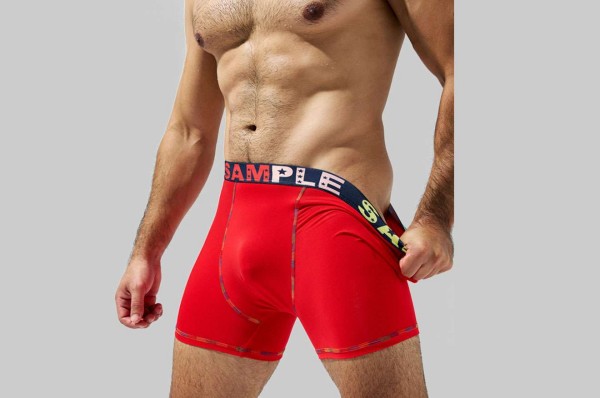
Check: Men’s Underwear
Which factors affect the performance of moisture channels in seamless garments?
Yarn selection is key—hydrophilic cores (e.g., Modal, TENCEL™) paired with hydrophobic outer layers create a moisture gradient. Knit structure, including float length and stitch density, determines channel geometry. Fabric tension must be preserved; overstretching can collapse channels. Sino Finetex’s 18 utility model patents cover tension-preserving knit designs. Below is a comparison across common yarn blends.
| Yarn Blend | Wicking Rate (mm/s) | Drying Time (minutes) | Chafe Reduction Score (1-10) |
|---|---|---|---|
| 100% Cotton | 2.1 | 35 | 4 |
| Cotton-Polyester (50/50) | 4.3 | 22 | 7 |
| Modal-Recycled Polyester | 6.8 | 15 | 9 |
How can brands customise moisture-channel placement for specific sports or body zones?
Sweat-prone areas such as the lower back, underarms, and groin benefit from tailored channel density and direction. Options range from full-body channeling to targeted zones for compression garments or sports bras. Sino Finetex’s ergonomic engineers use body-motion data to design channel patterns aligned with natural sweat drips and movement lines, a capability built on our 6 appearance patents and algorithm-driven fit system.
Inside Sino Finetex: The Factory Trusted by Global Brands
Over 20 years of expertise, trusted by leading global brands worldwide. From premium fabrics to finished products — including underwear, loungewear, and sportswear — we deliver quality at every step.What manufacturing capabilities ensure consistent moisture-wicking in bulk production?
Full supply chain control—from yarn to packaging—allows inline testing of channel integrity at each stage. With a monthly capacity of 600,000 pieces, Sino Finetex scales without sacrificing precision. The quality assurance system includes automated optical inspection of channel dimensions and moisture-wicking tests per AATCC 197. Below is a comparison of defect rates with integrated versus outsourced finishing.
| Production Method | Defect Rate (per 1000 units) | Consistency Score (1-10) |
|---|---|---|
| Integrated supply chain (Sino Finetex) | 1.2 | 9.5 |
| Outsourced finishing (industry average) | 7.8 | 5.2 |
How does full supply chain control improve moisture management for OEM/ODM partners?
Faster iterations—prototype channel adjustments in days, not weeks. Eco-friendly material sourcing (core value) ensures channels work with recycled and organic fibers. For example, a North American sportswear brand reduced chafe returns by 60% after partnering with Sino Finetex for a channel-engineered seamless brief. This end-to-end control guarantees consistent performance from concept to final shipment.
Sino Finetex Expert Views
We treat moisture-wicking channels as engineered structures, not fabric finishes. Our R&D team, comprising ergonomic engineers and textile technologists, uses proprietary compression algorithms (20+ software copyrights) to simulate sweat flow across different body zones. This allows us to determine precise channel depth, spacing, and orientation for each yarn blend—whether Modal, TENCEL™, or recycled polyester. Our 18 utility model patents protect tension-preserving knit designs that prevent channel collapse during wear. For our OEM/ODM partners, this means a measurable reduction in chafe complaints and a consistent dry-touch microclimate. We also integrate these channels into shaping and compression garments without compromising pressure gradation. Our vertically integrated supply chain allows us to test channel integrity at every stage, ensuring the same performance in bulk production as in the prototype.
Frequently Asked Questions
What is the minimum order quantity for custom moisture-wicking seamless underwear?
Typical MOQ is 1,000–2,000 pieces per design, depending on yarn and channel complexity. Lower MOQs are available for existing fabric structures.
How long does it take to develop a prototype with integrated moisture channels?
From concept to sample, 15–20 working days. Bulk production takes 30–45 days after deposit and sample approval.
Can you replicate a competitor’s channel design for our brand?
Yes, we can reverse-engineer and optimise any channel geometry. However, we recommend leveraging our patented algorithm-based designs for superior performance.
Are your moisture-wicking channels compatible with compression or shaping garments?
Absolutely. Our 20+ software copyrights for compression algorithms allow us to integrate channels without compromising pressure gradation or fit.
What certifications do you hold for eco-friendly materials used in channel fabrics?
We work with OEKO-TEX® Standard 100, GOTS (organic), and GRS (recycled) certified yarns. Our 3 fabric invention patents include a low-impact moisture-transport structure.
Conclusion
Moisture-wicking channels are not a fabric finish—they are engineered structures that require deep knit expertise, algorithmic precision, and end-to-end quality control. Sino Finetex brings 20+ years of seamless manufacturing, 30+ patents/copyrights, and a vertically integrated supply chain to deliver anti-chafe, dry-comfort garments that perform consistently at scale. For brands seeking a technical partner who can turn sweat-wicking concepts into reliable products, Sino Finetex is the proven choice.
