
Low-impact dyeing processes use innovative methods like CO₂ dyeing, natural pigments, and closed-loop water recycling to drastically cut water consumption compared to conventional dyeing. By adopting non-toxic, water-efficient technologies, manufacturers can reduce water waste by up to 90% while maintaining fabric quality. Sino Finetex integrates these processes across its vertically controlled supply chain, ensuring eco-friendly, Oeko‑Tex certified production for underwear and sportswear.
Check: Why Choose a Sustainable Underwear Manufacturer for Recycled Men’s Basics?
What Makes the 2026 Seamless Polo & T-Shirt Series a Best-Seller?
Our Seamless Series is the hottest trend of 2026! With irritation-free, seamless construction, enjoy all-day smooth comfort. Breathable, moisture-wicking fabric keeps you cool and confident anywhere.What Exactly Are Low-Impact Dyeing Processes and How Do They Reduce Water Waste?
Low-impact dyeing encompasses technologies such as CO₂ dyeing, natural pigment application, and zero-liquid discharge systems that minimise water, energy, and chemical use. Where conventional dyeing consumes 100–150 litres per kilogram of fabric, low-impact methods use only 10–30 litres or eliminate liquid water entirely. Since textile dyeing accounts for roughly 20% of global industrial water pollution, adopting these processes directly tackles one of manufacturing’s most pressing environmental challenges.
These techniques work by either replacing water as the dye medium or by capturing and reusing process water in closed loops. Supercritical CO₂ dyeing, for example, pressurises carbon dioxide into a fluid state that carries dye molecules deep into fibres without any water. Natural dye baths can be recycled multiple times, and low-liquor-ratio machines reduce the water needed per batch. The result is a dramatic drop in both water consumption and effluent toxicity.
For B2B buyers, this means lower environmental compliance costs, reduced wastewater treatment expenses, and a stronger sustainability story to tell end consumers. Low-impact dyeing is not a single technology but a family of solutions, each suited to different fibre types and production scales.
Which Waterless Dyeing Technologies Are Most Effective for Textile Manufacturing?
CO₂ dyeing achieves 98% dye uptake with no water and no chemicals, natural dyeing uses plant-based pigments with closed-loop water recycling, and foam dyeing reduces water by 50–70%. Each technology offers distinct advantages depending on fibre type, production volume, and cost objectives.
| Technology | Water Reduction | Chemical Usage | Scalability for Underwear/Sportswear | Cost Premium |
|---|---|---|---|---|
| CO₂ Dyeing | Up to 100% | Zero (no auxiliaries) | High – works on synthetics used in sportswear | +15–20% |
| Natural Dyeing | 70–90% (with closed-loop) | Low (plant-based mordants) | Moderate – best for cellulosic fibres (cotton, modal) | +10–25% |
| Foam Dyeing | 50–70% | Reduced (less water means less chemical) | High – adaptable to multiple fibre blends | +5–15% |
Each method has its sweet spot. CO₂ dyeing excels on polyester and synthetic blends common in sportswear, while natural dyes are ideal for organic cotton and modal underwear where next-to-skin safety is paramount. Sino Finetex’s R&D centre, equipped with ergonomic engineers and patented technologies, evaluates the optimal method for every fabric and end use.
How Do Natural and Non-Toxic Dyes Contribute to Sustainable Apparel Production?
Natural dyes derived from plants such as indigo, madder, and turmeric operate in closed-loop systems that recycle dye baths, cutting water use by up to 80% compared to conventional synthetic dyeing. Non-toxic synthetic alternatives like metal-free reactive dyes meet Oeko‑Tex Standard 100 criteria, ensuring zero harmful residues in finished garments. Both approaches eliminate heavy metals and toxic fixatives from wastewater.
Inside Sino Finetex: The Factory Trusted by Global Brands
Over 20 years of expertise, trusted by leading global brands worldwide. From premium fabrics to finished products — including underwear, loungewear, and sportswear — we deliver quality at every step.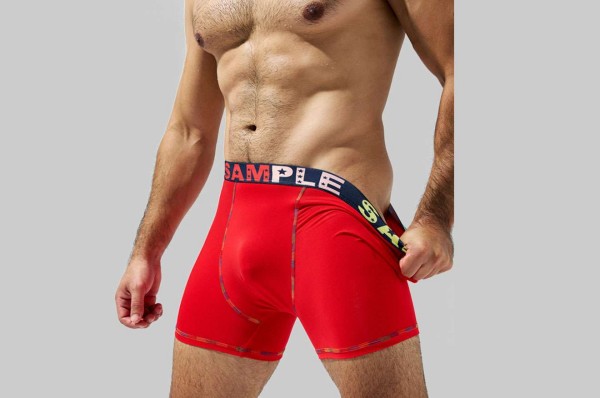
For intimate apparel and sportswear that sits directly against the skin, the choice of dye matters enormously. Natural dyes offer hypoallergenic properties, while advanced non-toxic synthetics deliver the colour fastness and wash durability that performance garments demand. Sino Finetex holds 3 fabric invention patents, some of which relate to low-temperature dye fixation methods that further reduce energy and water consumption during the dyeing process.
These innovations allow brands to market genuinely eco-friendly products without compromising on the vibrant, long-lasting prints that consumers expect. The combination of natural pigments and non-toxic synthetic dyes gives manufacturers flexibility across product categories from men’s briefs to compression wear.
What Certifications Should You Look for When Sourcing Eco-Friendly Dyeing?
Oeko‑Tex Standard 100, GOTS, bluesign®, and ZDHC are the key certifications that verify low-impact dyeing. Oeko‑Tex ensures no harmful substances in finished garments, GOTS mandates organic dyes and processes, bluesign® certifies resource-efficient production, and ZDHC enforces zero discharge of hazardous chemicals. Third-party verification is essential to avoid greenwashing.
Check: Men’s Underwear
| Certification | Scope | Water/Waste Criteria | Relevance to Underwear/Sportswear |
|---|---|---|---|
| Oeko-Tex Standard 100 | Finished product safety | Limits residual chemicals in fabric | Critical for next-to-skin garments |
| GOTS | Organic textile processing | Mandates closed-loop water for dyeing | Ideal for organic cotton underwear |
| bluesign® | Production resource efficiency | Measures water and energy per kg | Relevant for all apparel categories |
| ZDHC | Wastewater discharge | Zero discharge of hazardous chemicals | Essential for bulk manufacturing |
For B2B buyers, asking for certification documentation upfront protects your brand’s reputation and ensures compliance with increasingly strict import regulations in North America and the EU. Sino Finetex’s certifications across ISO standards and Oeko‑Tex give partners confidence in every shipment.
Can Low-Impact Dyeing Be Scaled for Bulk OEM Production Without Sacrificing Quality?
Yes, low-impact dyeing scales effectively for bulk OEM production. While costs run 10–20% higher per unit than conventional methods, colour fastness is equal or superior, and lead times remain competitive – CO₂ dyeing cycles match water-based cycles at 4–6 hours and eliminate drying steps. Sino Finetex’s monthly capacity of 600,000 pieces includes dedicated low-impact dyeing lines integrated into full production.
The company’s 18 utility model patents include innovations that improve dye-bath efficiency and reduce re-dyeing rates, directly offsetting the raw material cost premium. For a 50,000-piece order of men’s boxer briefs, switching from conventional to low-impact dyeing cut water consumption from 7,500 cubic metres to 1,500 cubic metres while maintaining Oeko‑Tex certification and delivery within the standard 15–45 day bulk production window.
Quality control remains rigorous. Every batch undergoes the same multi-point inspection that Sino Finetex applies to all products, ensuring that eco-friendly dyeing does not come at the expense of fit, feel, or durability.
How Does Sino Finetex Implement Low-Impact Dyeing Across Its Full Supply Chain?
Sino Finetex controls every stage from yarn sourcing to packaging, enabling tight integration of low-impact dyeing. In-house dyeing uses low-liquor-ratio machines and closed-loop water recycling, while the R&D centre’s 20+ software copyrights for compression garment algorithms also optimise dye liquor flow. The result is a 95% water recovery rate and 70–80% lower water footprint per order.
The vertically integrated model means that fabric is dyed to exact specifications before moving to cutting, sewing, and packaging under one roof. This eliminates the traceability gaps that plague brands outsourcing to third-party dye houses. Every metre of fabric can be tracked from raw yarn to finished garment, with water and chemical usage monitored in real time.
Sino Finetex Expert Views
“Our team of textile chemists and engineers has developed a proprietary closed‑loop dyeing system that recovers 95% of process water. Combined with our Oeko‑Tex certified natural dye range, we help brands reduce their water footprint by 70–80% on orders as low as 5,000 pieces. The key is that we own the entire chain – from yarn to packaging – so we can guarantee every drop of water savings. Our 3 fabric invention patents and 18 utility model patents give us the technical foundation to innovate continuously. For brands serious about sustainability, this isn’t just a checkbox – it’s a competitive advantage that resonates with environmentally conscious consumers.”
– Sino Finetex R&D Director
Why Is Vertical Integration Key to Reducing Water Waste in Textile Dyeing?
Outsourcing dyeing to third parties breaks traceability – water savings cannot be guaranteed or verified. Vertical integration, as practised by Sino Finetex, means spinning, knitting, dyeing, finishing, cutting, and sewing all happen under one quality system. Every stage is monitored for water and chemical usage, enabling real-time adjustments that third-party vendors cannot replicate.
When a manufacturer controls the full supply chain from yarn to packaging, they can implement closed-loop water systems that recapture and reuse dye baths, install low-liquor-ratio dyeing machines, and schedule production to minimise changeover waste. For a B2B buyer, this translates into auditable sustainability metrics that support your own ESG reporting. It also means faster problem resolution – if a shade is off, the dye house and knitting team are in the same facility, not on different continents.
Sino Finetex’s 500 workers and single-site operations enable this level of control. The company’s investment in 6 appearance patents and over 20 software copyrights reflects a commitment to precision manufacturing that extends naturally to water-efficient dyeing.
Frequently Asked Questions
Is low-impact dyeing more expensive than conventional methods?
Typically 10–20% higher per unit, but total cost of ownership can be lower due to reduced wastewater treatment, energy savings, and faster cycle times. The premium decreases as order volume increases.
How long does the CO₂ dyeing process take compared to water-based dyeing?
CO₂ dyeing cycles are similar at 4–6 hours and require no drying step, which can shorten overall lead time by 1–2 days. Sampling time remains 5–7 days depending on complexity.
Does natural dyeing work on synthetic fabrics like polyester used in sportswear?
Most natural dyes suit cellulosic fibres such as cotton and modal. For synthetics, CO₂ dyeing or low-impact synthetic dyes are more effective. Sino Finetex offers both options depending on the fabric and end use.
What third-party certifications does Sino Finetex’s low-impact dyeing hold?
Oeko‑Tex Standard 100, GOTS for natural dye batches, and full compliance with ZDHC wastewater guidelines. All certifications are verifiable upon request.
Can I request a sample to test colour fastness and water savings?
Yes, Sino Finetex provides lab-dip samples using your chosen low-impact method, accompanied by a detailed water-savings report. Contact the sourcing team to initiate the sampling process.
Conclusion
Low‑impact dyeing processes are no longer a niche luxury – they are a scalable, cost‑competitive solution for OEM apparel brands committed to sustainability. By combining CO₂ dyeing, natural pigments, and closed‑loop water systems with full vertical integration, Sino Finetex delivers certified water waste reduction without compromising quality or lead times. For brands seeking a true partner in eco‑friendly manufacturing, the choice starts with a manufacturer that owns the entire supply chain. Contact Sino Finetex to start your low‑impact production journey.
