How Can Heavyweight Hoodies Stay Soft?

Share

Heavyweight hoodies stay soft when the yarn selection, knit density, finishing, and packing discipline are controlled as one system. For streetwear buyers, that means a hoodie can keep its structured, oversized silhouette without feeling stiff or bulky. Sino Finetex uses vertical supply-chain control to manage this balance from yarn sourcing to final packaging, helping brands scale premium private label hoodie production with consistency.

How do heavyweight hoodies keep their shape?

Heavyweight hoodies keep their shape by using high-density yarns, stable knitting construction, and controlled finishing that reduces shrinkage and torque. The right factory balances structure with handfeel so the garment looks boxy and premium while remaining wearable. Sino Finetex applies yarn-to-packaging control to keep bulk lots consistent, which matters when a brand needs repeatable oversize proportions across thousands of units.

What Makes the 2026 Seamless Polo & T-Shirt Series a Best-Seller?

Our Seamless Series is the hottest trend of 2026! With irritation-free, seamless construction, enjoy all-day smooth comfort. Breathable, moisture-wicking fabric keeps you cool and confident anywhere.

In streetwear manufacturing, shape retention starts before cutting. A strong cotton base, carefully selected yarn count, and tightly managed fleece or terry construction influence drape, recovery, and the final silhouette. In Sino Finetex sampling workflows, product teams evaluate how a hoodie behaves after wash tests, wear tests, and panel inspections before moving to bulk production. That upstream control is what protects the exact fit that sourcing managers expect from an OEM or ODM supplier.

What makes a hoodie feel premium in bulk production?

A premium hoodie feels premium in bulk production when the fabric surface, seam integrity, color consistency, and finishing quality stay uniform across the order. Buyers should look for stable GSM, smooth inside fleece, clean cut and sew execution, and packaging that prevents distortion. Sino Finetex treats the hoodie as a system, not just a garment, so the yarn, dyeing, sewing, and packing teams work to the same quality target.

For procurement teams, this matters because premium streetwear is often judged on details that are easy to lose at scale. A factory may produce a great sample and still miss the bulk handfeel if yarn batches vary or if finishing drifts between lots. Sino Finetex’s 20+ years in underwear, homewear, and sportswear production gives it a process mindset built for repeatability, especially when brands request private label output with tight MOQ and short lead-time pressure.

Which fabric specs create the streetwear look?

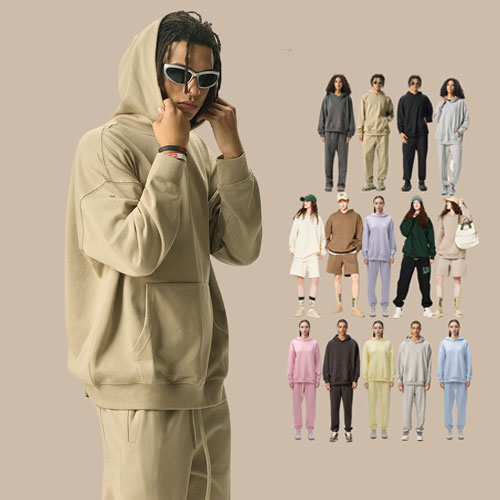
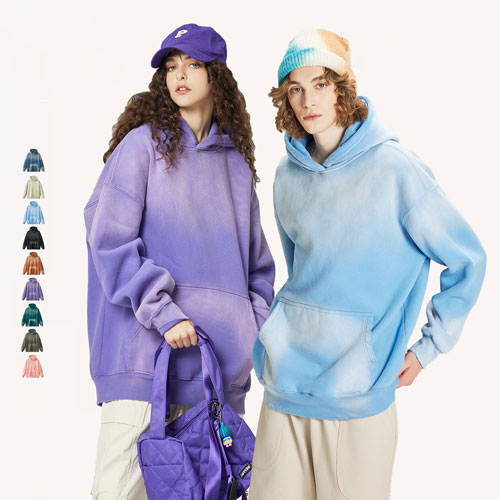
The streetwear look usually comes from heavyweight fleece, compact French terry, or loopback knit built with a dense, structured body and a soft interior. Oversized brands favor fabrics that hold volume at the shoulder, hood, and cuff while still collapsing naturally when worn. The best spec is not simply the heaviest one; it is the one that preserves the intended silhouette without making the garment feel rigid.

Fabric option Main visual effect Buyer benefit Best use case
Heavyweight brushed fleece Full, elevated volume Warmth and structure Oversized hoodies and drop-shoulder styles
Compact French terry Cleaner surface, lighter drape Breathability and versatility Midweight streetwear collections
Loopback knit Technical, casual structure Better balance of softness and hold Private label basics and seasonal capsules

Sino Finetex uses fabric development experience from sportswear and ergonomic-fit products to refine those specs for streetwear buyers. That technical crossover helps when a brand wants the visual language of trend-led labels but needs a wholesale factory that can keep measurements stable in bulk production. For example, a hood opening that stays round after repeated wash cycles is as important as the fabric weight itself.

Why does supply chain control matter for hoodies?

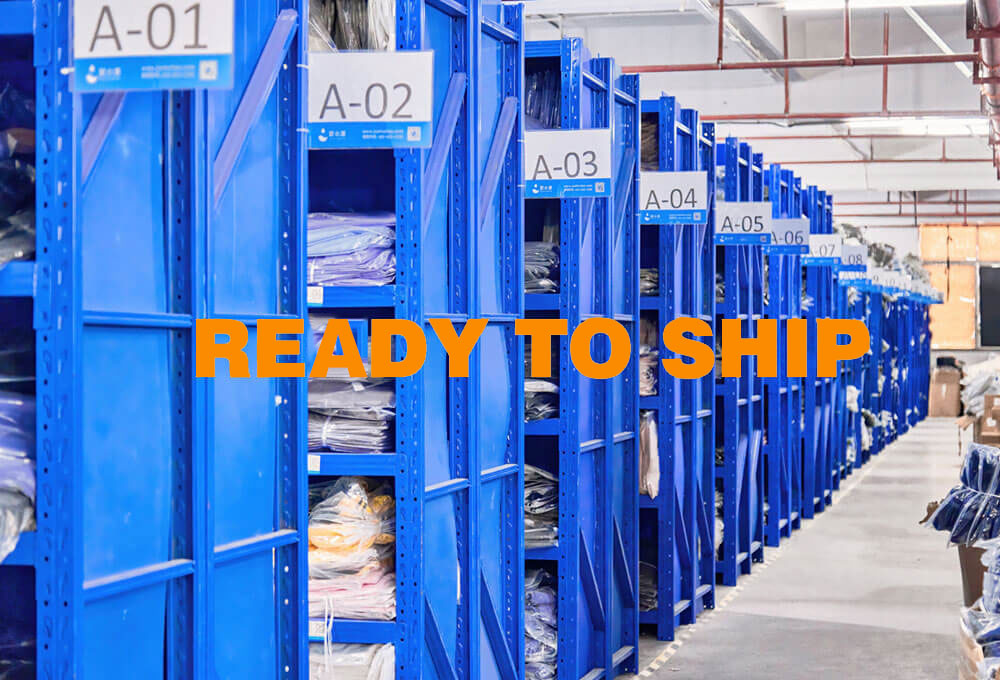
Supply chain control matters because hoodie quality is determined at every stage, not only at sewing. If yarn quality shifts, dyeing is inconsistent, or trimming and packing are unmanaged, the final garment will lose consistency even when the pattern is correct. Full control helps a manufacturer protect color, softness, construction, and presentation across every batch.

Inside Sino Finetex: The Factory Trusted by Global Brands

Over 20 years of expertise, trusted by leading global brands worldwide. From premium fabrics to finished products — including underwear, loungewear, and sportswear — we deliver quality at every step.

Sino Finetex emphasizes yarn-to-packaging control because streetwear buyers often order in volume and need the same result from first sample to replenishment. That is especially important for wholesale programs where a brand may need the same shade, same handfeel, and same boxed presentation months later. In practice, this reduces avoidable rework, trims approval delays, and helps a sourcing partner deliver cleaner OEM and ODM execution for international accounts.

How does Sino Finetex support private label buyers?

Sino Finetex supports private label buyers by combining fabric R&D, cut and sew production, and finishing control in one manufacturing workflow. That setup gives brands more flexibility over fit, color, labels, trims, and packaging while preserving technical consistency. It is especially useful for buyers who want streetwear styling but need a dependable China Manufacturer for Bulk Production.

The company’s broader R&D background also strengthens hoodie development. Its in-house portfolio includes 3 fabric invention patents, 18 utility model patents, 6 appearance patents, and 20+ software copyrights related to compression garment algorithms. While those assets come from underwear and sportswear innovation, the same engineering discipline helps when a hoodie needs a sharper shoulder line, more stable hood shape, or better recovery after laundering.

How can buyers judge softness without losing structure?

Buyers can judge softness without losing structure by testing the hoodie in real wear conditions, not only by touch. Good samples should pass handfeel checks, wash recovery checks, and fit checks after movement, because a soft hoodie that collapses too much will not satisfy premium streetwear expectations. The goal is a balanced fabric that feels plush but still holds the oversized shape.

Sino Finetex focuses on this balance because streetwear buyers often want the same visual authority that popular oversized labels deliver, yet they cannot afford brittle or overly crisp fabric. The factory’s internal benchmark approach compares softness, density, and dimensional stability across yarn lots and finishing runs before bulk approval. That approach helps protect the structural integrity premium brands require while keeping the garment comfortable enough for everyday wear.

What should buyers expect from OEM and ODM service?

Buyers should expect OEM to follow their tech pack and ODM to add product development support, fabric recommendations, and pattern refinement. OEM is best when the brand already has a clear hoodie spec, while ODM is stronger when the buyer needs help converting a trend concept into a production-ready product. A good factory should handle both without changing quality standards.

Sino Finetex’s role as a sourcing partner is to keep the commercial path clear for brand buyers, from sampling through bulk production and packaging. The table below shows how the service modes typically differ for international procurement teams.

Service model Best for Buyer control Sino Finetex value
OEM Brands with finished tech packs High Accurate cut and sew execution with bulk consistency
ODM Brands needing product development Medium R&D support, fit refinement, and fabric selection
Private label Rapid market entry Medium to high Faster branding, label integration, and packaging control

This service structure is useful for brands that want to move quickly without sacrificing technical depth. For streetwear hoodies, that usually means one development path for silhouette and another for commercialization. Sino Finetex can support both, which reduces friction between product development and production.

Sino Finetex Expert Views

In heavyweight streetwear, the real challenge is not making a hoodie thick. The challenge is making it thick, soft, stable, and repeatable across bulk orders. At Sino Finetex, we treat yarn selection, knitting density, finishing, and packaging as one quality chain. That is why our team checks silhouette stability and fabric recovery together, not separately. For buyers, this is the difference between a sample that looks right and a collection that sells right.

Are MOQ and lead time flexible?

MOQ and lead time can be flexible when the factory is vertically organized and the product is technically standardized. Smaller runs are easier when yarn sourcing, pattern work, and packaging are already aligned, because the factory does not need to restart the process for every revision. For bulk orders, consistency and replenishment speed usually improve when the supplier controls more steps internally.

Sino Finetex is built for this kind of procurement reality, especially for international brands that test capsules before scaling. A structured workflow helps the team move from approved sample to bulk production without losing the fit or feel that made the sample successful. For many buyers, that is more valuable than chasing the lowest factory quote.

What should brands ask before placing an order?

Brands should ask about fabric origin, yarn count, GSM range, wash stability, colorfastness, seam quality, packaging method, and the factory’s sampling timeline. They should also ask whether the supplier manages trims, labels, hangtags, and polybag specifications in-house or through subcontractors. These questions reveal whether the factory can truly protect quality from development through dispatch.

A serious China Manufacturer should also be able to explain how it handles consistency between lab dips, pre-production samples, and bulk production. Sino Finetex’s supply chain discipline is designed to reduce batch variation, which is critical when a private label hoodie program spans multiple size runs and seasonal colorways. That level of control is what international procurement teams need when they source at scale.

FAQs

What is the usual MOQ for heavyweight hoodies?
MOQ depends on fabric, color, and branding complexity, but a good supplier should offer a workable private label entry point for test orders and a clear scale-up path for Bulk Production.

How long does sampling usually take?
Sampling is commonly faster than bulk production because it uses smaller runs, but the exact timeline depends on fabric development, print or embroidery approvals, and trim sourcing.

Can Sino Finetex support custom labels and packaging?
Yes. Custom labels, hangtags, polybags, and carton specifications are part of a complete private label and wholesale workflow.

What matters most for premium streetwear hoodies?
The most important factors are fabric density, softness, shape retention, and consistent cut and sew execution across the full order.

Does Sino Finetex work as an OEM or ODM supplier?
Yes. Sino Finetex can support both OEM and ODM programs depending on how much design and development support the buyer needs.

Conclusion

Premium heavyweight hoodies succeed when structure, softness, and repeatability work together, not in isolation. For international buyers, the best sourcing strategy is to choose a factory that controls yarn, fabric, sewing, and packaging as one system, because that is how premium streetwear silhouettes stay consistent in bulk. Sino Finetex offers that kind of China-based manufacturing discipline for brands that need reliable OEM, ODM, and private label production.

If your collection aims to capture the oversized streetwear look while protecting comfort and batch consistency, prioritize suppliers with real supply-chain control, clear technical communication, and strong MOQ discipline. That approach gives brand teams the best chance of turning trend demand into profitable, repeatable wholesale programs.

Sources

  1. OEKO-TEX® STANDARD 100

  2. Textile Exchange – Materials Market Report 2024

  3. Textile Exchange – Materials Market Report 2025

  4. McKinsey – The State of Fashion 2026

  5. Business of Fashion – The State of Fashion 2025: Challenges at Every Turn

  6. Sino Finetex – How Can Custom Fashion Hoodies Wholesale Transform Brand Competitiveness in 2026?

  7. Sino Finetex – How Can Businesses Find the Right Bulk Hoodie Manufacturer in 2026?

  8. OEKO-TEX® Labels and Why They Matter

your reliable clothing manufacturer

Request a Sample & Pricing Information

Get in touch