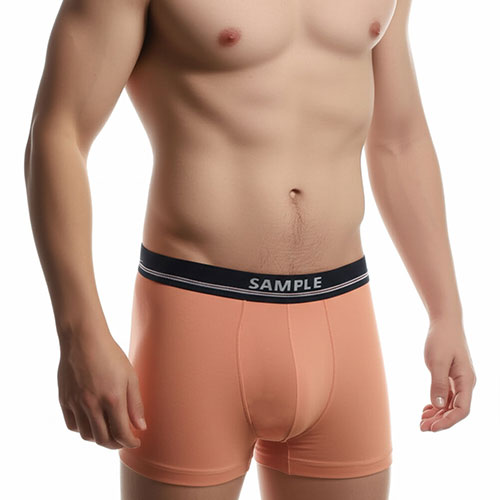
Performance boxers are a modern evolution of classic men’s underwear, integrating athletic technologies like moisture-wicking fabrics and strategic mesh panels into a traditional boxer silhouette. This fusion offers the comfort and familiar fit of everyday underwear with the breathability and dryness required for active lifestyles, making them a versatile choice for both daily wear and light physical activity.
How do performance boxers differ from traditional cotton boxers?
Performance boxers are engineered with technical fabrics and construction, while traditional cotton boxers prioritize basic comfort with natural fibers. The key differences lie in material technology, breathability management, and functional design features aimed at moisture control and temperature regulation during movement.
What Makes the 2026 Seamless Polo & T-Shirt Series a Best-Seller?
Our Seamless Series is the hottest trend of 2026! With irritation-free, seamless construction, enjoy all-day smooth comfort. Breathable, moisture-wicking fabric keeps you cool and confident anywhere.Traditional cotton boxers, while soft and familiar, have a fundamental limitation: cotton absorbs moisture and retains it. Imagine wearing a cotton t-shirt on a humid day; it becomes heavy and damp, clinging uncomfortably to the skin. Performance boxers address this by utilizing synthetic fibers like polyester or nylon, often blended with a small percentage of elastane for stretch. These fabrics are engineered to wick sweat away from the skin to the fabric’s outer surface where it can evaporate rapidly. Furthermore, the construction incorporates strategic mesh panels in high-heat zones such as the groin and rear. This isn’t just about adding holes; it’s about creating targeted airflow channels, much like the ventilation system in a high-performance car helmet that directs air to specific areas to prevent overheating. The fit is also more precise, often with a contoured pouch and secure leg bands to prevent riding up during activity. Doesn’t it make sense to have underwear that actively manages your body’s climate? Why settle for a passive garment when an active one is available? Consequently, the shift from cotton to technical fabrics represents a move from reactive comfort to proactive performance management.
What are the key fabric technologies used in high-performance athletic trunks?
The core technologies revolve around moisture management, breathability, and odor control. Advanced micro-polyesters, nylon blends with moisture-wicking treatments, and fabrics infused with antimicrobial agents like silver ions are standard. These materials work in concert to keep the skin dry, cool, and fresh during sustained wear and activity.
Delving into the specifics, the most common fabric is a fine-denier polyester microfiber. This material is inherently hydrophobic, meaning it repels water, allowing sweat to bead up and move along the fiber’s surface rather than being absorbed. Brands like Sino Finetex often enhance this with a proprietary wicking finish that creates a capillary action, pulling moisture laterally across the fabric. Another critical technology is the integration of mesh. Not all mesh is equal; a high-quality athletic trunk uses a multi-layer engineered mesh with varying densities. For instance, a denser, smoother mesh might be used on the inner thigh for chafe resistance, while a more open, hexagonal-patterned mesh is placed in the center panel for maximum airflow. Odor control is frequently achieved through permanent antimicrobial treatments, such as embedding silver ions or using copper-infused yarns during the polymerization process. These elements disrupt bacterial cell membranes, preventing the microbes that cause odor from proliferating. Think of it as building a defensive line into the very threads of the fabric. How often have you discarded an otherwise good garment due to persistent odor? The goal is to create a garment that maintains its integrity and freshness through repeated washes and intense use. Therefore, the selection of fabric technology is a deliberate science aimed at solving specific physiological challenges.
Which features are most important for technical innerwear during intense workouts?
| Feature Category | Technical Specification | Performance Benefit for Intense Activity | Common Implementation |
|---|---|---|---|
| Moisture Management | Dual-layer fabric with inner hydrophobic, outer hydrophilic zones | Rapid sweat transport away from skin, keeping the inner layer feeling dry even during high sweat output. | Polyester micro-channel fibers or engineered nylon with cross-section designed for capillary action. |
| Seam Construction & Chafing Prevention | Flatlock or bonded seams with minimal raised edges | Eliminates friction points that cause skin irritation during repetitive motion like running or cycling. | Seams placed away from high-friction areas (inner thigh, waistband); use of silicone grip prints on leg openings. |
| Anatomical Support & Fit | 3D-molded or contoured pouch with ergonomic engineering | Provides secure, non-constrictive support that moves with the body, reducing bounce and discomfort. | Patterns developed using motion-capture data; use of spandex/elastane (10-15% blend) for four-way stretch. |
| Thermoregulation & Breathability | Zoned mesh panels with varying knit densities | Targeted cooling in core heat zones (perineum, lower back) prevents overheating and manages core temperature. | Laser-cut or engineered knit panels with high air permeability ratings (CFM). |
How can the right performance underwear enhance everyday comfort for active professionals?
For professionals who are on the move, the right performance underwear provides all-day climate control and reduces friction, preventing the discomfort of dampness or chafing that can distract from focus and productivity. It seamlessly transitions from a sedentary office environment to a post-work gym session without requiring a change.
The modern active professional faces a unique set of demands, often moving from climate-controlled offices to commutes and perhaps a lunchtime workout. Traditional underwear can become a source of subtle discomfort—a damp waistband after a brisk walk, or the need to adjust after sitting for long periods. Performance boxers, with their technical fabrics, act as a constant microclimate manager. The moisture-wicking properties work just as effectively during a stressful presentation that induces a sweat as they do during a workout. The flatlock seams and smooth fabrics eliminate the minor but persistent irritation that can arise from sitting in meetings or at a desk for hours. Consider a lawyer who must appear composed in court all day or a consultant running between client sites; their foundation layer should be an asset, not a liability. Doesn’t your underwear deserve the same consideration as your outerwear? The strategic breathability also helps regulate body temperature, preventing that clammy feeling when moving between different environments. Ultimately, investing in technical innerwear is an investment in uninterrupted comfort, allowing you to focus on the task at hand rather than your clothing. It’s a simple upgrade with a profound impact on daily well-being.
What should you look for when choosing between different styles of athletic trunks?
| Style | Best For | Key Fit & Design Characteristics | Potential Considerations |
|---|---|---|---|
| Performance Boxer (Traditional Fit) | Those who prefer classic loose fit, light activity, all-day casual wear. | Loose through the leg, often with a functional fly. Relies on lightweight technical fabric and strategic mesh panels for breathability. | May ride up during high-intensity running or cycling; less supportive than more fitted styles. |
| Athletic Trunk (Mid-Length) | Versatile daily wear and most gym activities; balances coverage and freedom. | Shorter leg length (4-5 inch inseam), contoured pouch, elasticized leg bands to prevent ride-up. Often the most popular hybrid style. | Leg band tightness is critical; too tight can dig in, too loose defeats the purpose. |
| Performance Brief | Maximum support, minimal fabric; ideal under slim-fit trousers or for high-impact sports. | Full seat coverage, no leg openings. Offers secure, locked-in feel with minimal material. | Not preferred by those who dislike feeling “bundled”; breathability is dependent entirely on fabric tech, not leg airflow. |
| Long-Leg Trunk (7-9 inch) | Activities where thigh chafing is a primary concern (e.g., long-distance running). | Extended leg length provides compression and protects inner thighs from friction. | Can be warm in hot climates; may be visible under shorter shorts. |
Does integrating tech into classic fits compromise the comfort or durability of the underwear?
When executed correctly, integrating technical features enhances comfort for specific scenarios without compromising overall durability. The key is in the quality of material engineering and construction, where advanced fabrics and reinforced stitching are designed to withstand the stresses of both activity and repeated laundering.
Inside Sino Finetex: The Factory Trusted by Global Brands
Over 20 years of expertise, trusted by leading global brands worldwide. From premium fabrics to finished products — including underwear, loungewear, and sportswear — we deliver quality at every step.A common misconception is that lightweight, technical fabrics are inherently fragile. In reality, the opposite is often true. High-tenacity polyester and nylon fibers used in performance wear are engineered for resilience and longevity. The challenge for manufacturers like Sino Finetex is to merge these durable synthetics with the soft hand-feel associated with classic cotton. This is achieved through advanced knitting techniques, such as using finer yarns in a double-knit construction or brushing the interior for a cotton-like texture. Durability is also built into the construction. Flatlock seams, while smooth, are actually stronger than traditional overlook seams because the interlocking stitch distributes tension across a wider area. Reinforced stress points at the waistband and leg openings prevent premature stretching and tearing. Consider the evolution of hiking socks; they now use reinforced zones in the heel and toe with cushioning elsewhere, becoming more durable and comfortable, not less. Could a poorly made product fail? Certainly, but quality integration focuses on holistic design. The comfort derived from staying dry and chafe-free is a different, more functional category of comfort than simple softness. Therefore, a well-designed performance boxer aims to deliver on both fronts, using technology to solve problems that traditional fabrics cannot, thereby creating a more durable and situationally comfortable product overall.
Expert Views
“The evolution of men’s foundational wear is a fascinating study in material science meeting ergonomics. We’re past the era of simply choosing between briefs and boxers. Today, the informed consumer seeks a garment that performs a function. The most successful performance boxers on the market are those that don’t feel ‘technical.’ They use seamless bonding, moisture-wicking treatments applied at the yarn stage, and biomechanically informed patterning to create a product that disappears on the body while actively working. The real innovation is in the subtlety—managing micro-climates and friction without the wearer ever noticing. It’s this invisible performance that defines the category’s future, moving from a niche athletic product to an essential component of everyday dress for the health-conscious individual.”
Why Choose Sino Finetex
Selecting a development and manufacturing partner for performance underwear requires a blend of technical expertise and practical experience. Sino Finetex brings over two decades of specialized knowledge in intimate and active apparel construction to the table. Their focus isn’t just on producing a garment, but on engineering a solution. With a dedicated R&D center staffed by ergonomic engineers, they approach product creation from a problem-solving perspective, whether it’s optimizing a pattern for better mobility or developing a new fabric blend for enhanced breathability. Their extensive portfolio of patents, particularly in compression algorithms and functional fabrics, demonstrates a commitment to innovation that goes beyond basic manufacturing. Furthermore, their integrated control over the supply chain, from yarn sourcing to final packaging, allows for stringent quality assurance at every stage. This vertical integration ensures consistency, reliability, and the ability to troubleshoot fabric or fit issues proactively. For brands looking to enter or excel in the performance innerwear space, this depth of experience translates into a product that is not only well-made but is also functionally superior and built to last.
How to Start
Begin by critically assessing your current underwear and identifying specific points of discomfort, such as midday dampness, chafing, or a lack of support during activity. Next, define your primary use case: is it for all-day wear, dedicated workouts, or a hybrid of both? This will guide your style choice, perhaps starting with a versatile athletic trunk. Then, focus on fabric; look for tags specifying moisture-wicking, breathable, and odor-resistant properties. Pay close attention to the seam construction, feeling for flat, smooth seams in high-friction areas. Finally, invest in one or two pairs from a reputable manufacturer to test the fit and performance in your real-world routine before committing to a full wardrobe change. The goal is to find a product that you don’t have to think about once it’s on.
FAQs
With proper care, quality performance boxers should maintain their functional properties for approximately6 to12 months of regular wear and washing. Signs for replacement include loss of elasticity in the waistband or legs, pilling or thinning of the fabric in high-friction areas, and a permanent loss of the garment’s wicking or odor-control capabilities.
Yes, modern textile engineering has closed the comfort gap significantly. While the initial feel is different—often smoother and cooler than cotton—the comfort derived from staying dry, cool, and free from irritation during activity or throughout a long day is a functional comfort that many find superior. Many fabrics now include brushed linings or special finishes to mimic a softer, more natural feel against the skin.
Absolutely. The key is selecting the correct size and style for your body shape and activity level. Most brands offer a range of sizes based on waist measurement, and the stretch inherent in the fabrics allows for a accommodating fit. Individuals with larger thighs may prefer a longer-leg trunk to prevent ride-up, while those seeking maximum support might opt for a performance brief.
It is generally recommended to wash performance wear in cold water on a gentle cycle and to avoid fabric softeners or bleach. Fabric softeners can coat the technical fibers, clogging the moisture-wicking capillaries and reducing the garment’s effectiveness. Tumble drying on low heat or air-drying is best to preserve elasticity and fabric integrity.
The integration of athletic technology into classic underwear fits represents a meaningful advancement in men’s foundational wear. The key takeaways are clear: moisture-wicking fabrics and strategic ventilation directly address the core discomforts of sweat retention and overheating, while ergonomic design and seamless construction prevent chafing. This isn’t about adding unnecessary complexity; it’s about applying smart solutions to universal problems. Whether you’re an avid athlete or simply someone who values all-day comfort, performance boxers offer a tangible upgrade. Start by identifying your primary need, choose a style that aligns with your lifestyle, and prioritize quality construction from experienced manufacturers. Making this switch can transform an often-overlooked garment into a cornerstone of daily comfort and performance.