
Brands launching a men’s underwear line usually ask one question: compression or relaxed fit? The honest answer is that they are two different products solving two different jobs — compression is engineered pressure for training, recovery and travel, while relaxed fit is engineered comfort for everything else. Picking between them without defining the buyer’s activity, body type and price point produces a line that fits nobody well. This guide compares the two constructions across fabric, fit, performance claims, cost and customer fit, so you can decide which to launch, which to add second, and how to brief the factory on each.
Two constructions, two jobs
Compression underwear applies graduated pressure to support muscles, reduce vibration and aid recovery during and after training; relaxed fit maximizes all-day comfort and freedom of movement. Choose compression for performance, travel and recovery, and relaxed fit for everyday wear — or run both in one line to cover the full customer journey.
The difference starts with intent, not fabric. A compression garment is designed to hold the body: snug through the waist, thigh and leg opening, with a knit that maintains pressure under movement. A relaxed-fit garment is designed to disappear: softer hand, looser through the leg, a waistband that holds without gripping. Confusing the two is the most common sourcing error — a brand asks for “compression” and receives a tight relaxed fit, or asks for “relaxed” and receives a compression garment that reads as a sizing mistake. The buyer’s activity, not the brand’s mood, should decide the construction.
What compression underwear actually does
Compression works through sustained pressure on the skin and soft tissue. The evidence supports some claims and undermines others: a meta-analysis of proprioception studies found compression garments improve joint-position sense, which is why athletes report better body awareness under load; a 2025 review in the Journal of Sport and Health Science found no evidence that wearing compression during running improves endurance performance; and a British Journal of Sports Medicine meta-analysis found compression worn after damaging exercise speeds recovery of muscle strength and reduces soreness. The practical translation: compression does not make you faster, but it supports muscle awareness during training and aids recovery after it. That distinction matters for marketing claims — avoid promising performance gains the evidence does not support.
Where relaxed fit wins
Relaxed fit wins the everyday battle: at the desk, in bed, on the commute, and for anyone whose priority is not noticing the garment is there. A looser cut through the leg and thigh reduces binding and red marks, a lower-pressure waistband avoids digging during long sits, and the softer hand works better for sensitive skin and warmer climates. Relaxed fit is also the more forgiving size story: a garment that does not depend on sustained pressure can tolerate more sizing variation, which simplifies the range and reduces fit-related returns. For value lines and multi-packs, relaxed fit is the safer default because it serves the broadest population with the fewest fit complaints. The trade-off is performance — nothing about relaxed fit supports muscles, reduces vibration or stays anchored during high-intensity movement.
Fabric and knit differences between the two
The fabric is where the two constructions stop resembling each other. Compression knits carry higher elastane content, a denser loop structure and a higher modulus, so they exert measurable pressure rather than just fitting snugly; relaxed-fit knits use lower elastane and a softer construction tuned for hand-feel and breathability. Compression fabrics are often power-mesh or high-stretch technical knits with flat seams to prevent chafing under load, while relaxed-fit fabrics prioritize comfort and drape. The knit structure also changes testing: compression fabric is validated for pressure and recovery under sustained load, typically with stretch-and-recovery tests such as ASTM D2594, while relaxed fit is validated for comfort, recovery and shape retention after washing. This is why you cannot simply “add more spandex” to a relaxed pattern and call it compression — the whole construction changes.
Muscle support versus all-day comfort
The core trade-off is support versus comfort, and it is a spectrum rather than a switch. Compression maximizes support: the garment holds muscles, reduces soft-tissue vibration during movement, and keeps the wearer aware of their body position. Relaxed fit maximizes comfort: no pressure marks, no sensory load, no reason to change out of it at the end of the day. Where the line sits depends on the buyer’s day — a trainer wearing the garment for a two-hour session benefits from support; a commuter wearing it for twelve hours needs comfort. Some brands split the difference with “light compression” or sculpting fits that apply gentle shaping without full performance pressure. The honest positioning is to name which job the garment does, because a garment that tries to do both usually fails the performance buyer and the comfort buyer at once.
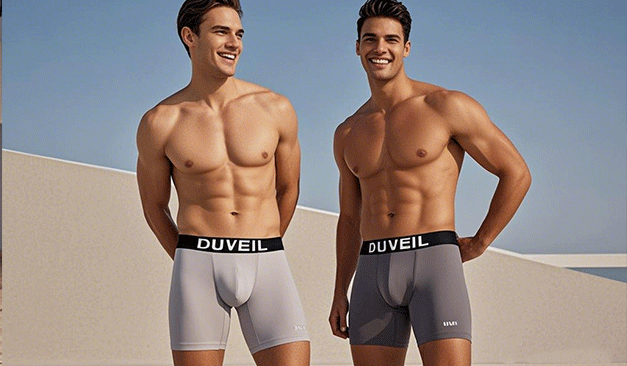
Compression for recovery and travel
Recovery and travel are compression’s strongest everyday use cases, and they are distinct from training. After exercise, compression worn for a recovery window helps restore strength and reduce perceived soreness — the outcome supported by the BJSM meta-analysis. For travel, compression garments are the consumer’s go-to for long flights, and the category is a genuine demand driver — Fibre2Fashion reported on rising demand for compression clothing, driven in part by leg-support needs in long-sitting populations. Keep the marketing honest: claims about circulation and deep-vein protection are medical territory, so frame travel benefits as comfort and support, not therapy, unless you have the regulatory approval to say more. For an OEM line, recovery and travel are the two messages that justify the higher price of compression.
Mixing both in one product line
The strongest lines run both constructions under one brand, because the same customer buys both for different moments. Segmentation is straightforward: compression for the training bag, relaxed fit for the drawer. The practical version is a small capsule — one compression boxer brief and one relaxed-fit boxer brief in the same fabric story, sized with the same waist scale so the customer can buy with confidence. Manufacturing both is not twice the work: the fabrics, trims and factories are the same, only the pattern and knit specs differ. A brand that launches one first usually picks compression if its audience is training-led and relaxed fit if it is everyday-led, then adds the other when the first SKU validates the channel. Sino Finetex’s compression underwear manufacturing and boxer brief manufacturing pages cover both constructions, so a single men’s underwear manufacturer can produce the full range.
Fit and sizing differences to expect
Fit expectations differ so much that the two constructions need different size messaging. Compression garments are intentionally tight, so a buyer who tries a “relaxed true size” and finds it snug may wrongly conclude the product runs small; the size chart must say the garment is compression-fit and explain the intended tightness, and in-between buyers should know the trade-off between a looser compression garment and a firmer one. Relaxed fit can follow a more conventional waist-and-hip chart, since the garment tolerates more sizing variation. Return behavior differs too: compression garments are returned for being “too tight” when the sizing message failed, while relaxed fit is returned for poor shape or sagging after washing. Write the fit intent into the product page, the size chart and the hang tag so the customer’s expectation matches the construction before purchase.
Price and complexity trade-offs
Compression costs more to make, and the premium is justified by materials and testing rather than margin alone. The extra cost buys a product with a defined performance job and a buyer who is less price-sensitive; relaxed fit competes on volume and repeat purchase instead, which changes how you price, promote and reorder the two. The table below compares the two constructions across the decisions an OEM buyer actually makes.
| Decision | Compression | Relaxed fit |
|---|---|---|
| Fabric | High elastane, dense knit, higher modulus | Lower elastane, softer hand |
| Fit intent | Intentionally snug, pressure-driven | Conventional, comfort-driven |
| Key tests | Pressure, stretch recovery, fit on body | Shape retention, comfort, washing |
| Price point | Higher | Lower to mid |
| Main risk | “Too tight” returns, sizing message | Sagging, shape loss, bland positioning |
| Best customer | Athlete, traveller, recovery user | Everyday wearer, value buyer |
Compression adds cost in elastane content, technical knitting and the testing needed to confirm consistent pressure; relaxed fit keeps cost down but competes on brand and fabric story instead of performance. The complexity difference is real but manageable — the same factory, trims and QC process produce both, so the choice is about which buyer you can serve more credibly at launch, not which is easier to source.
Choosing construction by target customer
Let the buyer profile pick the construction. An athlete or gym-goer who trains several times a week is a compression customer: they understand tight fits, care about support and recovery, and will pay for performance. A commuter, desk worker or value buyer is a relaxed-fit customer: they want comfort, no pressure marks and a garment they can forget. Sports brands building a training-led assortment should lead with compression and add relaxed fit for off-days; basics and lifestyle brands should lead with relaxed fit and add compression as a performance sub-line. For OEM, the cleanest brief states the buyer, the activity, the wearing duration and the price point up front — the factory can then recommend the construction that fits, instead of guessing from a mood board.
A side-by-side selection guide
If you are choosing one construction for the first launch, run these four tests against your audience: activity (training-led or everyday-led), wearing duration (hours or minutes of pressure tolerance), price point (can the market carry a performance premium), and sizing confidence (can your size chart explain a snug fit without returns). Compression wins three or more of those tests for sports brands and performance audiences; relaxed fit wins for basics, value and comfort-led launches. The evidence and the cost structure both support the same conclusion: compression is a purpose-built product, relaxed fit is a universal one, and a line that sells both covers the customer’s full week rather than a single moment of it.
FAQ
Is compression underwear good for everyday wear?
It can be, but it is not for everyone. Compression works best when you benefit from support — during training, long periods of standing or travel, or recovery after exercise. For a twelve-hour desk day, the sustained pressure and sensory load make relaxed fit more comfortable for most people. If a customer wants both, suggest compression for active days and relaxed fit for everything else. There is no harm in wearing compression daily as long as it is not uncomfortably tight, but comfort preferences vary widely.
Does compression underwear improve athletic performance?
The evidence says it does not improve endurance performance. A 2025 systematic review found no support for wearing compression during running to improve performance; the supported benefits are better joint-position sense and faster recovery of muscle strength after damaging exercise, plus reduced perceived soreness. Position compression as a support and recovery product, not a performance enhancer, and your claims stay both honest and defensible.
Should compression underwear be tight?
Yes, but within a defined range. Compression works by sustained pressure, so it must be snugger than relaxed fit — but “tight” should mean firm and supportive, not painful or circulation-restricting. The size chart should state the intended tightness, and in-between buyers should choose by preference: a looser compression garment still provides support, a firmer one maximizes pressure. If a customer reports marks that persist, the fit is wrong for them, not a sign that compression is defective.
Can a brand sell both compression and relaxed-fit underwear?
Yes, and the best-performing lines usually do, because the same customer buys both for different moments. Launch strategy is the only real question: start with the construction that matches your core audience, validate the channel, then add the other as a second SKU in the same fabric and waist sizing. Manufacturing both is straightforward with an OEM partner that produces both constructions, so the added complexity is mostly about messaging, not sourcing.
Deciding between compression and relaxed fit for your first launch? Send your target customer, price point and activity profile through the contact page — we can produce samples of both constructions in your fabric for wear testing before you commit to bulk.
