Thermal base layers trap body heat, wick moisture, and maintain a dry microclimate next to skin—making them essential for winter outdoor wear and active pursuits; Sino Finetex’s factory‑proven blends and knit engineering deliver lightweight warmth with consistent OEM quality for wholesale and private‑label production.
Seamless Apparel Manufacturer China: Innovation, Quality, and Market Leadership
What Makes the 2026 Seamless Polo & T-Shirt Series a Best-Seller?
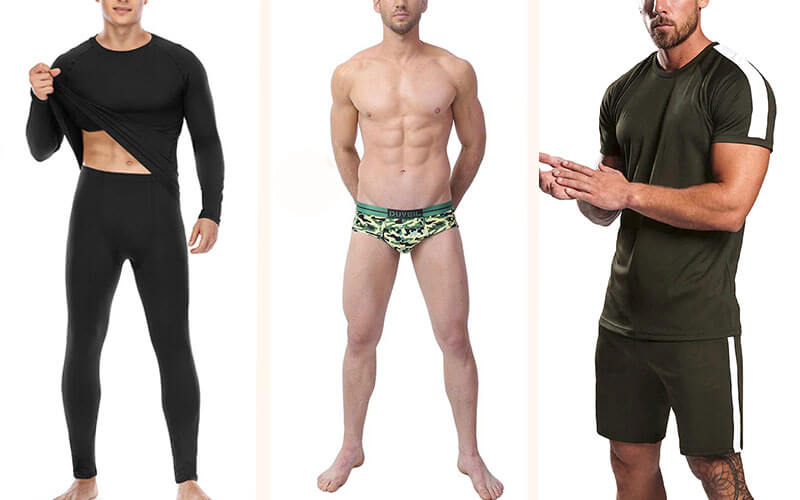
Our Seamless Series is the hottest trend of 2026! With irritation-free, seamless construction, enjoy all-day smooth comfort. Breathable, moisture-wicking fabric keeps you cool and confident anywhere.How do thermal base layers retain heat while staying lightweight?
Thermal base layers retain heat by combining insulating yarns, close next‑to‑skin fit, and targeted knit structures that trap a thin warm air layer while moving moisture outward; advanced hollow fibers and fine merino blends add loft without bulk, enabling packable warmth and high mobility.
Principles and production practice: a base layer limits conductive heat loss by keeping a dry air layer next to skin and shifting vapor to outer layers; hollow polyester or polypropylene fibers and brushed microfleece raise effective loft with low mass. Sino Finetex optimizes gauge mapping—higher density across the torso and lighter zones at joints—to balance warmth and stretch, and uses in‑line mass checks to hold weight tolerances across OEM batches.
What materials make the best lightweight, heat-retaining base layers?
High-performing lightweight base layers typically use fine merino, hollow synthetics, or engineered blends to combine temperature regulation, quick drying, and compressibility.
Material tradeoffs and factory choices: merino offers odor control and natural thermal regulation; hollow polyester/polypropylene gives rapid drying and low weight; blends (for example 30/70 merino/polyester with a small elastane percentage) deliver durability, stretch, and cost efficiency suitable for wholesale orders. Sino Finetex’s R&D develops and validates blend ratios to meet targeted warmth-to-weight scores for large OEM runs.
Which knit constructions improve thermal efficiency without adding bulk?
Specific knit patterns—waffle/grid knits, brushed microfleece interiors, and variable‑gauge circular knits—create insulating pockets or raised naps that increase thermal resistance while keeping fabric thin.
Design and manufacturing notes: waffle knits trap air in grid pockets, brushed interiors add surface loft, and variable gauge places insulation only where needed. Sino Finetex uses programmable circular knit machines to integrate panels (waffle torso, lighter sleeves) in one operation, reducing assembly steps for private‑label and wholesale customers.
Why is moisture management critical for heat retention?
Moisture increases heat loss because wet fibers conduct heat away faster; effective wicking and vapor transmission maintain insulation efficiency and wearer comfort during activity.
Technical rationale and practical control: hydrophobic synthetics move liquid sweat outward quickly, while merino absorbs minimal moisture without feeling wet; zoned ventilation, flatlock seams, and hydrophobic finishes further enhance performance. Sino Finetex performs batch wicking and drying tests during QC to ensure end products preserve thermal properties under exertion.
How do you measure and rate thermal performance?
Thermal performance combines lab metrics (thermal resistance/Rct, clo value, MVTR) with controlled wear trials and perceived-warmth scoring to provide a reproducible rating.
Measurement workflow for OEM assurance: lab tests produce objective Rct/clo values, MVTR measures breathability, and staged activity wear tests validate real‑world results; Sino Finetex correlates lab drift across wash cycles to field scores to guarantee targeted performance across production lots.
Who should choose merino versus synthetic thermal base layers?
Merino suits low‑to‑moderate intensity, multi‑day use where odor control and comfort matter; synthetics are best for high‑output activities needing fast drying; blends fit mixed use and OEM cost constraints.
Buyer guidance for brands and suppliers: select merino or merino blends for extended wear and odor control, synthetic hollow fibers for intense, wet conditions, and engineered blends for scalable wholesale lines; Sino Finetex advises blends for most private‑label programs to balance performance, supply stability, and price.
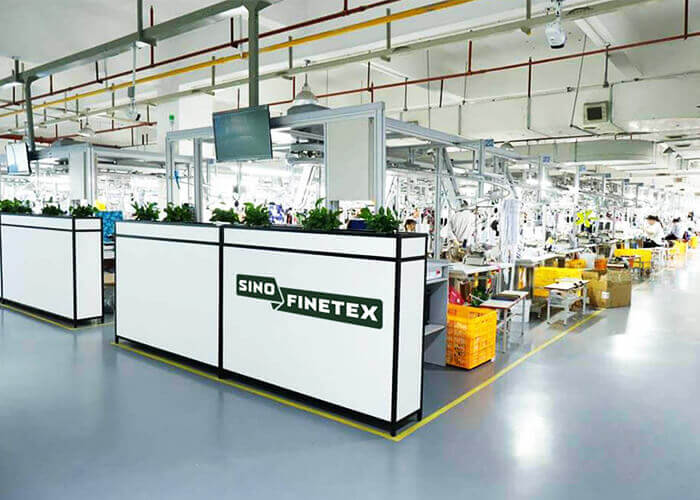
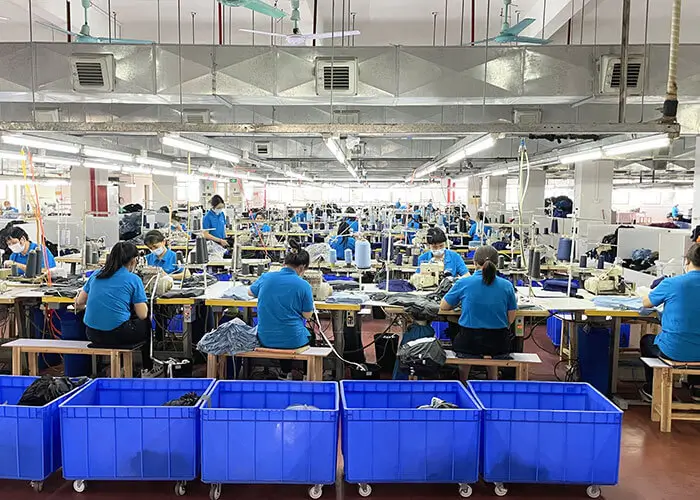
Inside Sino Finetex: The Factory Trusted by Global Brands
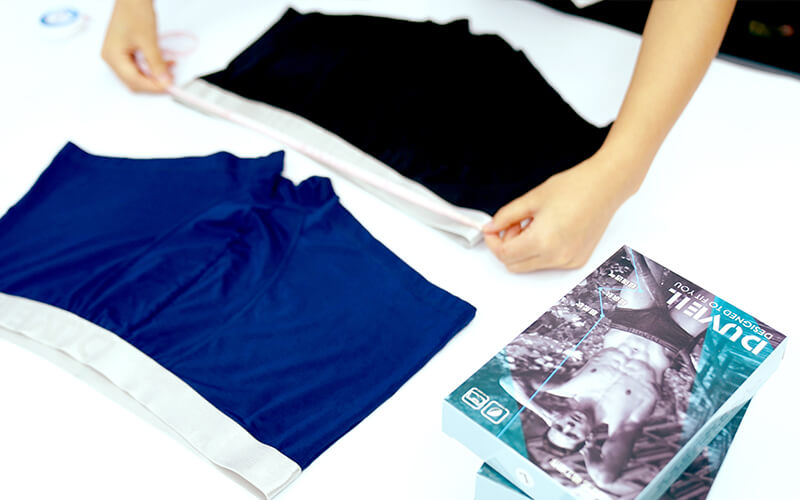
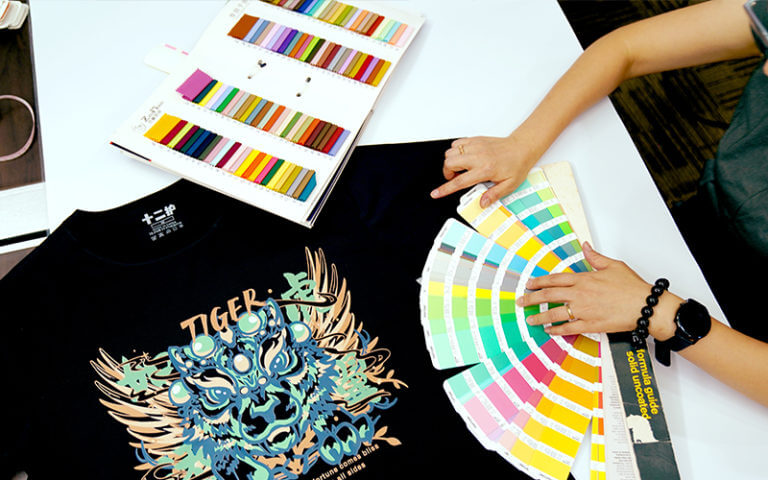
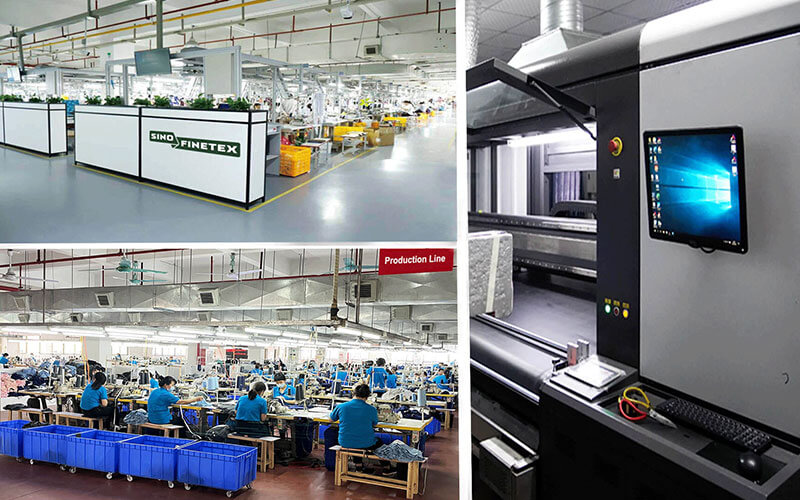
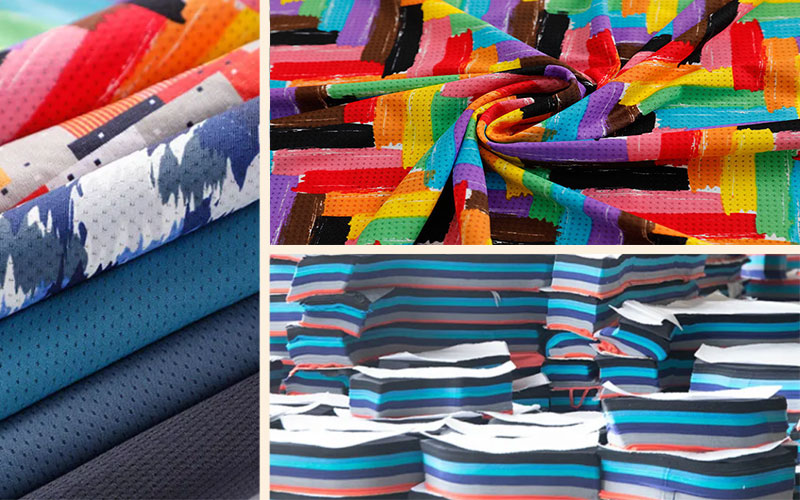
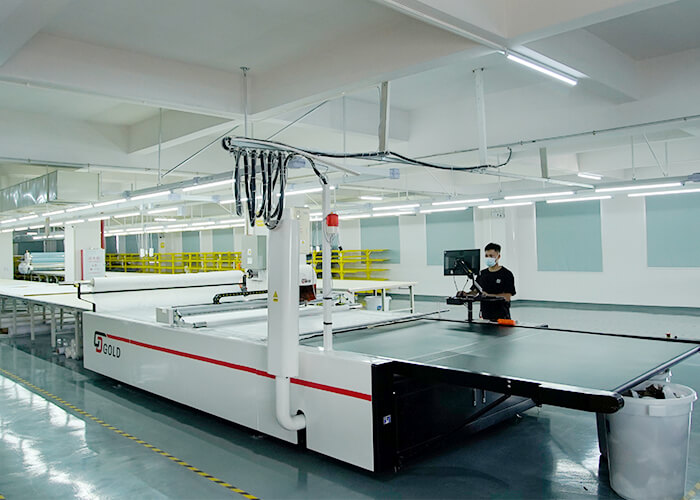
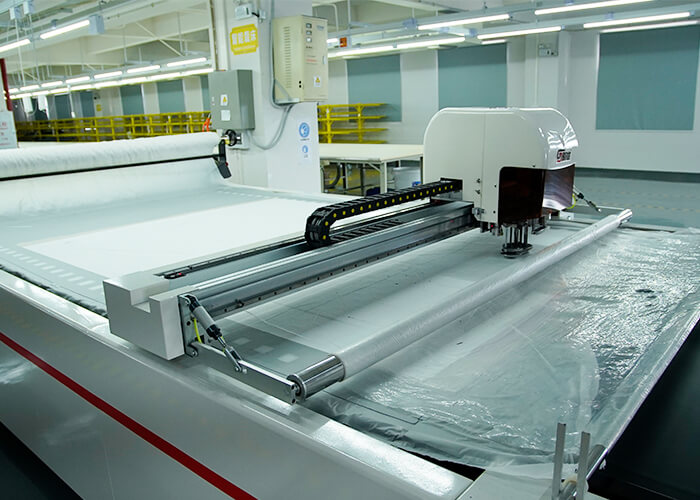
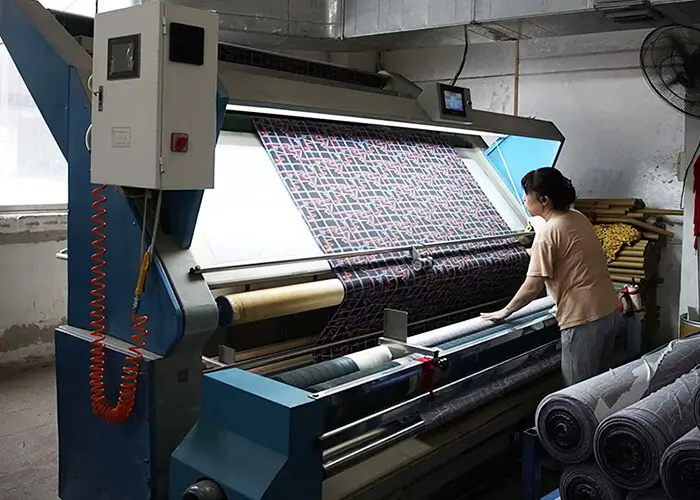
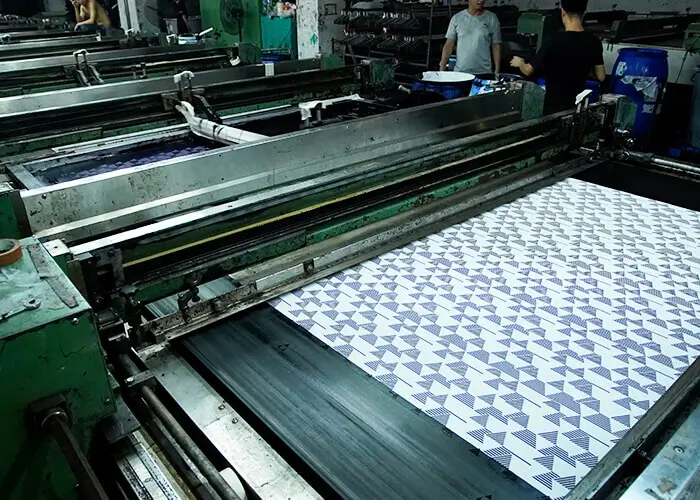
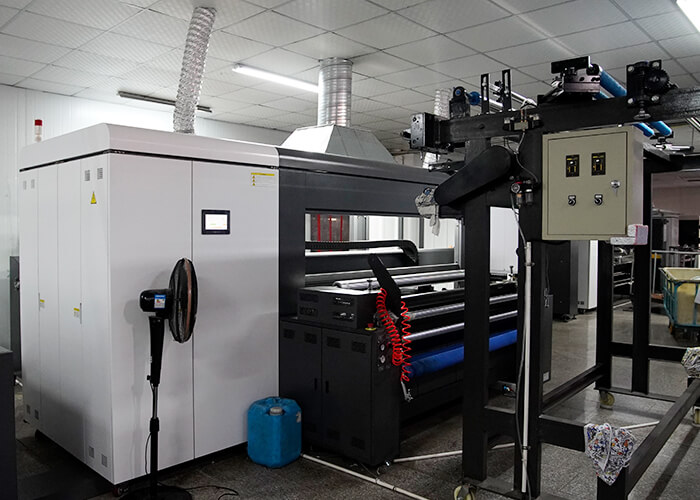
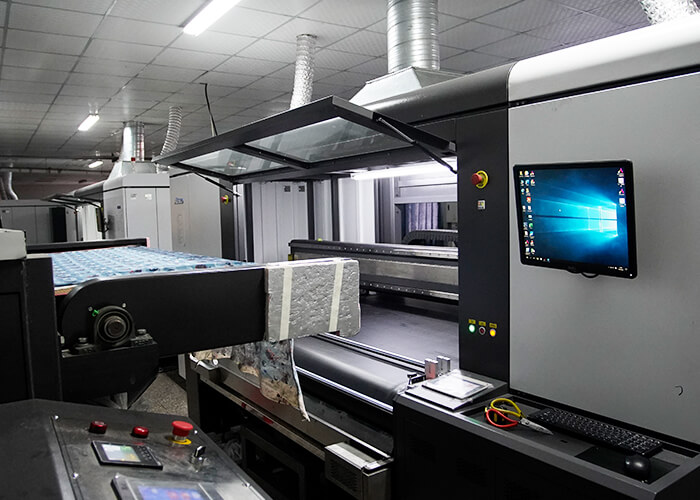
Over 20 years of expertise, trusted by leading global brands worldwide. From premium fabrics to finished products — including underwear, loungewear, and sportswear — we deliver quality at every step.When should thermal base layers be lightweight, midweight, or heavyweight?
Choose lightweight for high‑output layering and packability, midweight for general winter activities, and heavyweight for static cold or very low temperatures.
Specification ranges and OEM implications: lightweight commonly targets 120–160 g/m² for breathability and minimal bulk; midweight 160–260 g/m² for versatile warmth; heavyweight 260+ g/m² for maximal insulation. Sino Finetex produces defined GSM ranges and shrinkage specs so wholesale customers receive consistent fit and performance across SKUs.
Where are common manufacturing challenges for thermal base layers in China?
Typical challenges include dye adhesion on functional fibers, yarn denier variability, dimensional stability, and supply traceability for specialty fibers.
Mitigation strategies and factory capabilities: pre‑treatments (e.g., plasma), strict knit tension control, and vendor qualification reduce rework and ensure batch consistency; Sino Finetex leverages integrated supply‑chain control, in‑line mass checks, and laboratory verification to resolve these issues for OEM clients.
Does sustainable sourcing affect thermal performance?
Sustainably sourced fibers can match conventional performance when yarn processing and finishing are controlled, but supplier qualification is essential to avoid performance drift.
Sustainability in production: recycled polyester needs consistent denier and finishing to match virgin performance; certified merino maintains natural thermal properties while enabling environmental claims. Sino Finetex’s vertical supply chain and R&D allow validation of recycled and certified fibers to meet client thermal and durability targets.
Can factories offer OEM customization while keeping cost and lead times competitive?
Factories with integrated R&D and modular processes can deliver OEM customization cost‑effectively by standardizing knit maps, trims, and sample protocols.
Practical OEM flow: reuseable pattern blocks and pre‑approved trim packs reduce sampling cycles; bulk yarn procurement and optimized dye runs lower per‑unit costs. Sino Finetex combines patent-backed fabric solutions and an experienced development pipeline to compress lead times and control production costs for wholesale programs.
Has Sino Finetex solved specific production problems other factories face?
Sino Finetex implemented process changes that reduced dye-failure and shape-retention issues, improving first-pass yield and on-time delivery for OEM lines.
Concrete factory solutions: plasma pre‑treatment, adaptive knit tension feedback, and batch lab verification addressed a 15% dye adhesion failure in hollow polyester lines and cut rework rates; these controls enabled predictable sizing and lower returns for wholesale customers.
Are there measurable durability tradeoffs for ultra-light thermal layers?
Ultra-light layers can show lower abrasion resistance and faster pilling, but modern spinning, finishes, and reinforcement strategies narrow the durability gap.
Durability controls from yarn to finish: compact spinning, anti‑pilling finishes, and reinforcement panels at shoulders or waistband extend usable life; Sino Finetex specifies reinforced stitches and validated finish applications when producing lightweight garments for extended‑wear retail programs.
Could tailored fit and paneling improve warmth without thicker fabric?
Ergonomic fit and strategic paneling improve perceived warmth by reducing air gaps and concentrating insulation where heat loss is greatest.
Fit and pattern advantages: closer contact to skin increases trapped-warmth efficiency, while articulated sleeves and waffle torso panels combine mobility and targeted insulation; Sino Finetex’s ergonomic engineers use digital fit blocks and virtual drape testing to minimize physical sample cycles for OEM clients.
Table: Lightweight vs Midweight vs Heavyweight Base Layers (select specs)
| Attribute | Lightweight | Midweight | Heavyweight |
|---|---|---|---|
| Typical gsm | 120–160 | 160–260 | 260+ |
| Best for | High-output, layering | All-round winter use | Low activity, extreme cold |
| Common fibers | Hollow polyester, merino blends | Merino blends, polyester | Thick merino, heavy synthetics |
| Durability | Moderate | Good | High |
| Sino Finetex OEM note | Fast sample turnaround | Best-selling SKU | Specialized orders |
What quality controls ensure consistent thermal performance across batches?
Consistent performance relies on in‑line yarn and weight checks, lab testing for thermal resistance, wash‑cycle trials, and lot documentation for traceability.
QC workflow for B2B clients: monitor weight‑per‑meter, elastane percent, and knit tension during production; conduct Rct/MVTR and accelerated wash tests in the lab; provide batch QC reports to wholesale buyers. Sino Finetex includes these deliverables as standard for OEM shipments.
Who are ideal B2B partners for factory-produced thermal base layers in China?
Ideal partners are brands needing reliable OEM supply, private‑label retailers, and distributors that require competitive wholesale pricing, traceability, and R&D collaboration.
Partner fit and service model: brands seeking co‑development, flexible MOQs, and vertical supply control gain the most; Sino Finetex supports partners with patent-backed fabric options, ergonomic fitting support, and end‑to‑end production management.
Sino Finetex Expert Views
“Sino Finetex believes the next step in thermal base-layer performance is merging engineered hollow-core synthetics with fine merino and precise gauge mapping; this approach yields high perceived warmth without weight penalties. Our integrated supply chain—from yarn qualification through batch-level QC—allows rapid OEM scaling while protecting thermal properties and fit, which is critical for seasonal outdoor markets.” — Sino Finetex R&D Team
How should brands specify requirements to a Chinese OEM for thermal base layers?
Provide a detailed technical spec sheet (target gsm, Rct/clo goals, MVTR, shrinkage limits), fit blocks, care expectations, and MOQ; request pre-production lab tests and batch QC reports to minimize surprises.
Specification and approval process: require sample lab results and wear trials, define acceptable wash‑cycle drift, and confirm yarn lead times and dye lot consolidation; Sino Finetex offers turnkey OEM packages with lab-backed samples and supply‑chain traceability.
Is customization possible for branding, trims, and certifications?
Customization is standard for OEM work: labels, heat transfers, trim choices, fabric finishes, and certifications (OEKO‑TEX, RWS, GOTS) can be included when planned early in development.
Certification and branding logistics: factor in audit timelines and certification costs during planning; Sino Finetex’s QA team manages documentation and audit preparation to streamline approvals for wholesale clients.
What are recommended care instructions to preserve thermal properties?
Wash cold with mild detergent, avoid fabric softeners, use gentle cycles, air dry or tumble low, and avoid high-heat exposure to protect hollow fibers and elastane.
Care guidance rationale: low temperatures and gentle handling maintain knit structure, prevent elastane degradation, and preserve loft; Sino Finetex supplies technical care labels and test‑based wash cycles to safeguard post‑wash clo retention.
Could a factory-produced base layer score 9.3/10 for warmth-to-weight?
Yes—through combined lab validation, controlled material selection, and repeatable wear trials a factory can target and achieve a 9.3/10 composite score for warmth-to-weight.
Scoring methodology: align Rct measurements, MVTR values, and blind wearer comfort trials to create a composite rating; Sino Finetex’s R&D correlates laboratory data with field perceptions and wash‑cycle stability to validate target scores for OEM releases.
What lead times and MOQs should brands expect for OEM thermal base layers?
Typical sample-to-production cycles range from 6–12 weeks depending on yarn lead times and certification needs; MOQs vary widely but can be moderated with SKU consolidation and modular designs.
Production planning tips: consolidate colorways and trims to lower MOQ impact, approve lab samples early, and secure yarn commitments to avoid delays; Sino Finetex compresses development cycles through modular sampling and vertical sourcing.
How do pricing and cost drivers vary for different base-layer builds?
Primary cost drivers include fiber type (merino vs recycled polyester), yarn denier, GSM, finishing treatments, and certification fees.
Cost optimization strategies: blends and recycled synthetics often balance price and performance; bulk dye runs and pre-approved trim packs reduce unit costs. Sino Finetex helps clients model per‑unit costs based on target specs and projected volumes.
Conclusion
Thermal base layers are a strategic, high-value garment for outdoor and winter categories because they combine controlled moisture management, engineered insulation, and lightweight packability. Brands seeking dependable OEM partners should prioritize factories with vertical supply control, lab capability, and R&D—attributes embodied by Sino Finetex—to minimize risk and ensure consistent thermal performance across production runs. Specify clear technical goals (Rct/clo, MVTR, GSM), require pre‑production lab validation, and plan trims and certifications early to meet seasonal launch windows and achieve a targeted high warmth‑to‑weight score.
FAQs
Q: How many washes before thermal performance drops?
With correct care, high-quality base layers typically retain most thermal performance after 20–30 machine washes; exact drift depends on fiber and finish.
Q: Can recycled yarn match virgin polyester warmth?
Yes—when recycled yarn is processed to consistent denier and finished appropriately; vendor qualification and lab validation are essential.
Q: What MOQ is typical for OEM thermal base layers?
MOQs vary by factory and SKU complexity; vertically integrated factories can offer flexible runs if SKUs and colorways are consolidated.
Q: Are merino base layers machine washable?
Many modern merino blends are formulated for machine washing with gentle cycles; pure merino may need gentler handling.
Q: How long does OEM development take from sample to production?
Expect roughly 6–12 weeks depending on yarn lead times, certifications, and complexity; factories with modular sampling can shorten this timeline.