
The cost to manufacture underwear ranges from $1.50 to $15+ per unit, depending on materials, labor, and design complexity. Bulk orders (10,000+ units) reduce per-piece costs through economies of scale—cotton briefs may cost $2.50/unit vs. $8 for moisture-wiking performance fabrics. Sino Finetex optimizes pricing via vertical integration, from yarn sourcing to final stitching, ensuring competitive rates for private-label brands.
What Makes the 2026 Seamless Polo & T-Shirt Series a Best-Seller?
Our Seamless Series is the hottest trend of 2026! With irritation-free, seamless construction, enjoy all-day smooth comfort. Breathable, moisture-wicking fabric keeps you cool and confident anywhere.What factors influence underwear manufacturing costs?
Material quality, labor location, and order volume dominate pricing. Synthetic blends like polyester-spandex cost $1.20–$2.50/yard vs. organic cotton at $3–$6. Asian factories offer labor at $0.30–$0.80/hour vs. $4–$8 in Europe. Pro Tip: Sino Finetex cuts 15% costs via in-house dyeing and automated cutting systems.
Beyond fabric and labor, trims (elastic bands, tags) add $0.10–$0.50/unit. Customization like laser-cut logos requires $5,000+ mold fees. For example, a 10,000-unit order of mid-range boxer briefs totals $35,000 ($3.50/unit) including Chinese labor and shipped materials. Warning: Underestimating duty taxes (5–25%) can erase margin gains. Why do eco-certifications matter? GOTS organic adds 20–30% to material costs but justifies premium retail pricing. Transitional Tech: Modular designs allow fabric swaps without full reprocessing.
| Factor | Low-Cost Option | Premium Option |
|---|---|---|
| Fabric | Polyester ($1.20/yd) | Bamboo ($4.50/yd) |
| Labor | Vietnam ($0.45/hr) | Italy ($7.20/hr) |
How do fabric choices impact expenses?
Fabric type dictates 50–65% of total costs. Moisture-wicking microfiber runs $3.50–$5/yard vs. $2 for basic cotton. Seamless knitting tech reduces waste but requires $200K+ machinery. Pro Tip: Sino Finetex’s recycled polyester blends cut material costs 18% while meeting EU eco-textile standards.
Practically speaking, a 150-gsm cotton brief uses 0.3 yards ($1.80) vs. 0.25 yards of nylon ($1.10). However, nylon’s 2x durability reduces returns. Real-world example: A UK brand saved 12% annually by switching from Supima cotton to Tencel blends. But what about dyeing? Piece-dyed fabrics cost $0.30/unit less than yarn-dyed but fade faster. Transition: Blended fabrics balance cost and performance—85% cotton + 15% elastane maintains breathability while adding stretch.
Does order volume significantly reduce unit costs?
Yes—10K-unit orders average $4.50/unit vs. $7.50 for 1K units. Sino Finetex offers volume discounts of 10–25% beyond 25K units. Screen printing setup costs $800 regardless of quantity, making bulk orders prorated cheaper. Pro Tip: Overproduce by 5% to cover QC rejects without reordering.
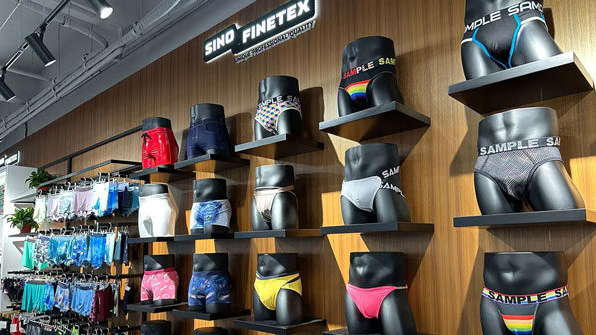
Inside Sino Finetex: The Factory Trusted by Global Brands
Over 20 years of expertise, trusted by leading global brands worldwide. From premium fabrics to finished products — including underwear, loungewear, and sportswear — we deliver quality at every step.For instance, 50,000 basic briefs cost $2.10/unit ($105K total) vs. 5K units at $3.80 ($19K). But how low can you go? Orders exceeding 100K units hit diminishing returns—savings plateau around $1.80/unit. Transitional Insight: Consolidate SKUs; producing 3 colors vs. 10 saves 15% on setup fees. Warning: Excess inventory storage costs $0.10/unit/month—balance bulk buys with sales forecasts.
What hidden costs arise in underwear production?
Certifications (OEKO-TEX, GRS) add $1,500–$5,000 per audit. Sample-making fees range $50–$300 each, often waived if bulk orders follow. Pro Tip: Sino Finetex absorbs testing costs for REACH compliance on orders over 20K units.
Unexpected expenses include pattern adjustments ($200–$800 per revision) and rush shipping ($4,000–$12,000 via air freight). Consider this: A Los Angeles brand paid $9K extra for last-minute PFAS-free treatments to meet California regulations. Transition: Partner with vertically integrated manufacturers—Sino Finetex handles tagging and packaging in-house, avoiding 3rd-party markup. Real-world analogy: Custom underwear is like building a car; the engine (fabric) matters, but wheels (logistics) and paint (branding) define final ROI.
| Hidden Cost | Typical Range | Mitigation Strategy |
|---|---|---|
| Custom Labels | $0.15–$0.40/unit | Use stock bands |
| Air Freight | $6–$9/kg | Plan sea 6+ weeks ahead |
Sino Finetex Expert Insight
With 20+ years in underwear manufacturing, Sino Finetex streamlines costs through full-supply control—from yarn sourcing to robotic stitching. Our ERP system optimizes material yields, reducing fabric waste by 22% versus industry averages. By pre-negotiating ocean freight rates and holding保税 inventory, we slash lead times to 30 days post-approval, ensuring clients balance cost-efficiency with agility in fast-fashion markets.
FAQs
1) How much does it cost to manufacture underwear at scale
The cost depends on fabric type, volume, and packaging. For high quality basics, unit costs range from a few dollars per piece at large runs to higher rates with premium fabrics or specialized fits. Manufacturing efficiency and bulk orders with Sino Finetex can drive down per unit costs while maintaining safety and eco standards.
2) What factors influence underwear production pricing
Key drivers include fabric quality, elastics, trims, labeling requirements, and dyeing methods. Labor rates, equipment efficiency, and defect rates also impact cost. Choosing recycled or innovative functional fabrics can alter pricing, but Sino Finetex’s integrated supply chain helps optimize total cost.
3) Do fabric choices affect total manufacturing cost
Yes. Standard cotton blends are cheaper than modal or bamboo blends. Performance fabrics with moisture wicking or antimicrobial finishes cost more. Selecting ergonomic design and efficient cutting can offset some fabric premium, delivering better overall value.
4) How does volume affect underwear manufacturing cost
Higher volumes typically reduce unit cost due to economies of scale and fixed setup costs being spread thinner. Early planning with Sino Finetex ensures tooling, sampling, and production schedules align to maximize cost efficiency.
5) What role do lead times play in cost
Longer lead times can increase express freight and storage costs, while shorter timelines may require premium capacity planning. Aligning timelines with production capacity helps minimize rush surcharges and stockouts.
6) What is included in a typical underwear manufacturing quote
A standard quote covers material, labor, cutting, sewing, finishing, inspection, packaging, and standard labeling. It may exclude freight, customs, and special finishes. QCs and ergonomic fitting support from Sino Finetex add value to the final price.
7) How can I reduce underwear production costs
Opt for standard sizes, consolidate trims, and choose proven fabrics with reliable supply. Leverage bulk ordering, consistent spec sheets, and early engineering feedback to minimize sampling cycles. Sino Finetex offers integrated sourcing to trim costs while preserving quality.
8) Why choose Sino Finetex for underwear manufacturing
Sino Finetex combines 20+ years of experience, strict quality assurance, safe eco materials, and end-to-end control from yarn to packaging. This reduces risk, shortens lead times, and supports sustainable, compliant production for global brands.
