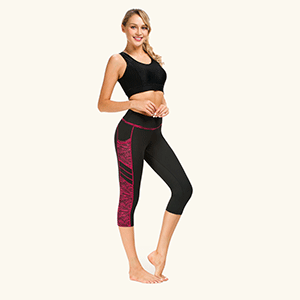
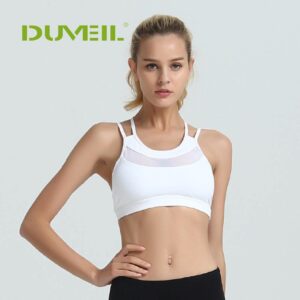
A sports bra can look even on a hanger and show a folded pad edge after a wearer takes it off and puts it back on. Brands choosing sports bra removable pads should approve the insert, the pocket that holds it, and the finished garment together. The checks below help separate a pad issue from a pattern or sewing issue.
Last updated:
How should you approve sports bra removable pads?
Approve sports bra removable pads as part of the finished bra. Ask the wearer to remove and reinsert both pads, check orientation and symmetry, and look for movement during the intended activity. Then clean the sample using the proposed care instructions and repeat the checks on the dry garment.
Start with the activity and the coverage you expect from the insert. A removable pad can change the cup’s appearance and feel, while the band, straps, cup construction and fit work together to determine support. Tell the sample maker whether the insert is intended primarily to provide a smoother outline or additional coverage. Avoid translating the presence or thickness of a pad into a support rating.
What goes on the pad and pocket drawing?
Put separate callouts on the drawing for the pad outline and the pocket opening. Mark the insert’s intended orientation, how the customer identifies the sides when relevant, and whether the insert is included in every size. Specify the opening location, direction, finished length and edge construction. Show where the pad should sit when fully inserted, especially if a side opening visually disappears into a seam.
Record the pad shape, material, thickness or profile as appropriate, and the approved reference sample. Include a cross-section where a molded insert, liner and outer fabric meet. Mark which side of the lining faces the skin, and sample the same seam and opening finish intended for bulk. A factory can substitute a slightly different insert silhouette without changing the fabric or size label, so treat the insert as a separate component with its own approval.
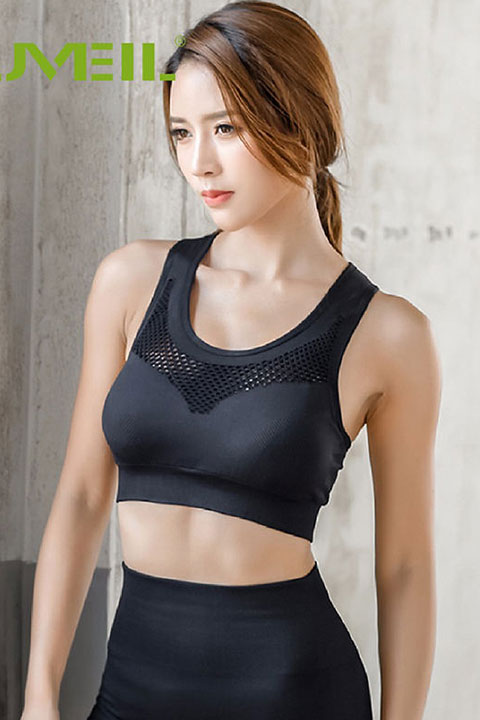
What does a good opening feel like?
The wearer should be able to insert and remove the pad using the intended technique without forcing the edge or folding the pad more than its shape can tolerate. Check the opening after reinsertion for a rolled edge, pulled stitches, or a lining that has turned outward. A smooth edge and secure stitching are useful construction checks, as illustrated in New Mexico State University’s clothing construction standards.
Which checks separate fit from an insert problem?
| Observation | What to isolate | Next check |
|---|---|---|
| The insert folds while dressing. | Pad profile, pocket dimensions and lining position. | Repeat with the approved pad and a second sample in the same size. |
| The pad rotates during movement. | Opening direction, pocket ease and pad orientation. | Mark the starting position on the test sample and compare it after the fit routine. |
| A pad edge shows from the front. | Pad outline, outer fabric and placement against the design. | Inspect in consistent light on the form or wearer, with the outer fabric relaxed and in use. |
| One side looks higher. | Left-right assembly and where each insert rests inside the pocket. | Compare the pockets and pads separately before changing the pattern. |
Repeat relevant checks in the base size and selected sizes near the edges of the agreed grade range. A convenient opening in one size can become awkward when the pocket is graded or the same insert is used across more sizes. Use the same reference insert for like-for-like comparisons, and record both garment size and insert size on the report.
What changes after washing?
Run the care routine intended for the finished product. If the proposed instructions tell customers to remove the pads, try removing, drying and reinserting them using those instructions. When the pads are intended to stay in during washing, check their position and shape after the garment is dry. Look for a permanently bent edge, liner distortion and an opening that is harder to handle. Compare appearance with the original photos before rating the result.
AATCC’s garment dimensional-change method addresses changes in length and width after home laundering. Select a formal method with the testing lab when the specification requires a performance result. The FTC’s care-label guidance also explains the need for a reasonable basis for garment care instructions on covered apparel. Use the sportswear testing checklist to document any additional checks for the finished style.
What should the buyer release to bulk?
Keep an approved bra with its exact insert pair, care trial notes, pad and pocket drawings, and reference photos from the fit review. Label any approved differences by size. For a new style, the sportswear development guide explains where fit and production approvals belong. Send the issue log and the revised sample specification together when briefing a custom sportswear manufacturer.
Questions about removable pad samples
Can the same pad be used across sizes?
It can be considered where the pocket geometry, coverage and insert behavior remain acceptable in each selected size. Check the grade range against the actual insert before assigning a shared component code.
Should the pad stay in during laundry?
Follow the garment’s supported care instructions. For sample approval, reproduce whichever care routine the customer will be told to follow and check the garment and insert after drying.
Do the inserts need a left and right mark?
Use orientation or side marks when rotation or mixing the inserts changes the visible shape. A symmetric insert may only need a clear instruction for which face or edge goes where.