
Boxers are trending as loungewear sleep shorts because they answer a modern demand for all-day versatility: a single garment that moves from a morning coffee to a video call to an evening of relaxation without a change of clothes. Consumer emphasis on wellness and self-care has pushed brands to develop product lines at the intersection of sleepwear, loungewear, and light athletic wear.
(Last modified date: September 1, 2026)
Why are boxers trending as loungewear sleep shorts? Remote and hybrid work dissolved the boundary between professional attire and home clothes, creating demand for garments that transition seamlessly across the day. High-quality lounge boxers pair breathable natural or technical fibers with ergonomic patterning, flatlock seams, and soft-touch waistbands for extended comfort.
Key Takeaways
- Lounge boxers sit at the intersection of sleepwear, loungewear, and light athletic wear.
- Premium sleep shorts use long-staple Pima cotton, Tencel lyocell, or silk blends with flatlock or seamless construction.
- Ergonomic patterning, precise gussets, calibrated rises, and leg openings eliminate ride-up and chafing.
- Fabric choice should balance softness, breathability, moisture management, and durability.
- For brands, success requires inclusive sizing, cohesive design, quality benchmarks, and strategic manufacturing partners.
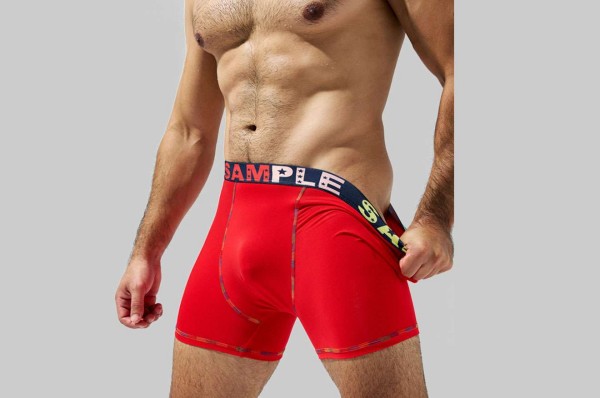
What Exactly Are Lounge Boxers and How Do They Differ from Regular Boxers?
Lounge boxers are sleep shorts designed for extended wear, combining the relaxed cut of a boxer with sleepwear-grade fabrics and comfort construction. They differ from regular boxers in fabric quality, seam finishing, and waistband design—prioritizing softness, breathability, and zero-irritation construction over utilitarian function.
How Have Consumer Habits Driven the Popularity of Sleep Shorts as Loungewear?
Remote and hybrid work models dissolved the rigid boundary between professional attire and home clothes. People began seeking wardrobe solutions that transition seamlessly from work to relaxation without requiring a change. This demand for all-day versatility, combined with growing emphasis on wellness and self-care—where physical comfort is seen as integral to mental well-being—is the core driver of the trend.
What Are the Key Fabric and Design Features of High-Quality Lounge Boxers?
| Feature Category | Standard Boxer Shorts | Mid-Range Lounge Boxers | Premium Sleep Shorts |
|---|---|---|---|
| Primary Fabric | Basic cotton or polyester blend | Brushed cotton, cotton-modal blends | Long-staple Pima cotton, Tencel lyocell, silk blends |
| Key Comfort Traits | Functional; can be stiff or bunch | Noticeably softer, good breathability | Exceptional drape, temperature regulating, moisture-wicking |
| Seam Construction | Overlocked seams that may chafe | Improved seam finishing | Flatlock or seamless construction to eliminate irritation |
| Waistband Design | Narrow elastic with exposed rubber | Wider knit or jersey waistband | Integrated, no-tag waistband with silicone grip or branded tape |
| Fit & Aesthetic | Utilitarian, loose or baggy | Tailored relaxed fit, coordinated colors/patterns | Ergonomic pattern for movement, luxury details, cohesive sets |
Which Materials Offer the Best Comfort for All-Day Lounging and Sleeping?
The best fabrics balance softness, breathability, moisture management, and durability. Long-staple cotton varieties like Supima or Pima produce incredibly soft, durable, pill-resistant fabric. Tencel lyocell is exceptionally breathable with natural moisture-wicking for temperature regulation. Modal offers similar softness with excellent color retention. Brushed cotton or flannel adds cozy warmth, and performance blends with a small percentage of elastane add stretch without compromising natural feel.
How Does the Design and Manufacturing Process Ensure Optimal Fit and Comfort?
Optimal fit is achieved through iterative ergonomic design, precise pattern-making, and fit testing on diverse body types. The crotch curve and gusset are shaped to prevent binding; the rise is calibrated for coverage without bunching; and the leg opening balances movement with ride-up prevention. Manufacturers use 3D prototyping to visualize adjustments digitally before cutting, then conduct real-world wear trials. Coverstitch or flatlock machines create seams that lie flat against the skin.
What Should Brands Consider When Developing a Lounge Boxer Product Line?
| Development Consideration | Fast Fashion Approach | Balanced Brand Strategy | Premium/Luxury Focus |
|---|---|---|---|
| Fabric Sourcing | Cost-driven, basic commodity fabrics | Reliable mid-tier and innovative sustainable fabrics | Exclusive, traceable natural fibers and proprietary blends |
| Size & Fit Range | Limited standard sizing (S-XL) | Extended sizing (XXS-4XL) with consistent fit | Precise, tailored fits with detailed size charts |
| Design & Aesthetic | Trend-reactive prints, basic solids | Cohesive color stories, brand-signature trims | Minimalist luxury, texture and drape, matching sets |
| Quality Benchmarks | Minimum compliance | Strict pilling, shrinkage, colorfastness tests | Exceptional hand feel, zero defect tolerance |
| Production Partner | Transactional factory relationships | Strategic partners in knits and comfortwear | Specialized manufacturers with R&D, like Sino Finetex |
Expert Views
The evolution of homewear from an afterthought to a dedicated category reflects a deeper understanding of consumer psychology. The successful lounge boxer isn’t just soft—it’s a tool for mental decompression. For manufacturers, this means focusing on textile science—how fabric feels against skin over a 16-hour period—and nuanced design that considers the biomechanics of relaxation. A supplier that understands fit engineering and sources advanced eco-friendly materials becomes a true collaborator.
Why Choose Sino Finetex
Sino Finetex brings over two decades of specialized experience in underwear and intimate apparel, where fit, comfort, and fabric quality are non-negotiable. The company offers a dedicated R&D center staffed with ergonomic engineers, vertically integrated supply chain control from yarn to packaging, and core values of truthfulness, compassion, and eco-friendliness—making it a strong partner for quality-focused loungewear lines.
How to Start
- Articulate your brand’s unique angle: luxury basics, performance fabrics, or sustainable ethics.
- Develop detailed tech packs including fabric performance requirements (GSM, stretch recovery, pilling resistance).
- Partner with a manufacturer with proven expertise in knitwear and comfort-focused apparel.
- Run fit testing on multiple body types, not just standard models.
- Establish rigorous quality control checkpoints for seam integrity, color consistency, and fabric hand feel.
FAQs
Are lounge boxers suitable for wearing outside the home?
While primarily designed for home comfort, many lounge boxers have a presentable aesthetic suitable for quick errands or casual outdoor lounging. They are generally not intended as replacements for tailored shorts or athletic wear.
What fabric is best for sleep shorts?
Long-staple cotton (Supima/Pima), Tencel lyocell, and modal lead for skin feel and breathability; brushed cotton adds warmth; performance blends add stretch.
How should lounge boxers fit?
Ergonomically—with a calibrated rise, shaped gusset, and leg opening that prevents ride-up and chafing while allowing free movement.
Can lounge boxer lines be produced with low MOQs?
MOQ varies by manufacturer; experienced partners like Sino Finetex offer flexible programs balancing customization and order scale.
Related Articles
- How Can Classic Boxers Integrate Athletic Tech Fabrics?
- How to Choose Underwear by Inseam Length?
- Are Boxers Better for Male Fertility?
Official Resources
References
- Comfort features and design guidance follow the original article; fabric performance claims are general textile knowledge [VERIFY].
