
Modal fiber, a bio-based rayon from beechwood pulp, possesses a unique hydrophilic molecular structure that allows it to absorb moisture up to 50% more efficiently than cotton by weight. However, its true advantage lies in superior wicking and rapid drying; it pulls sweat away from the skin and releases it into the air faster, creating a drier, cooler feel during activity. This makes it a preferred choice for performance and everyday wear where comfort is key.
How Does Seamless Tech Adapt to Different Body Types with 360° Stretch?
What Makes the 2026 Seamless Polo & T-Shirt Series a Best-Seller?
Our Seamless Series is the hottest trend of 2026! With irritation-free, seamless construction, enjoy all-day smooth comfort. Breathable, moisture-wicking fabric keeps you cool and confident anywhere.What is the fundamental science behind fiber absorbency?
At its core, absorbency is governed by a fiber’s hydrophilic (water-loving) properties and its internal microstructure. It’s not just about holding water, but how the water is attracted, held, and then released. Think of it as a two-part process: first, the initial grab, and second, the management of the captured moisture.
Technically, absorbency hinges on the presence of hydroxyl (-OH) groups in the fiber’s polymer chains. These groups form hydrogen bonds with water molecules. Cotton has these, but its crystalline structure is more compact. Modal, being a regenerated cellulose, has a more amorphous, open structure after processing, creating greater surface area and more accessible sites for water to bind. But here’s the crucial distinction: total water retention (retention capacity) versus the speed of absorption and evaporation (wicking and drying rate). A sponge can hold a lot of water but stays wet; a technical fabric aims to move it through. In our Sino Finetex lab, we measure this via a vertical wicking test, where Modal consistently shows a faster capillary rise than standard cotton. Pro Tip: When evaluating a fabric, ask for both absorption rate and drying time data; one without the other gives an incomplete picture. For example, a towel needs high retention, but activewear needs fast wicking and drying. So, is Modal more absorbent? In terms of sheer quantity per gram, often yes. But the real-world “dry feel” comes from its superior moisture management cycle.
How does Modal’s moisture management outperform cotton?
Modal’s performance edge is a result of its engineered fiber morphology. It excels not in holding moisture, but in transporting and releasing it efficiently. This creates that signature “dry touch” even during moderate sweating, which cotton simply cannot match under the same conditions.
Beyond basic chemistry, the physical shape of the fiber is critical. Under a microscope, Modal fibers have a smoother, more rounded cross-section compared to the irregular, kidney-bean shape of cotton. This smoothness reduces surface friction, allowing water to spread along the fiber more quickly—this is the wicking action. Furthermore, Modal can be spun into finer filaments than cotton, increasing the number of capillary channels in a given yarn. More capillaries mean a stronger pumping action to pull liquid away. Practically speaking, when you sweat in a Modal shirt, the moisture is drawn along the fibers to the outer surface of the fabric where it can evaporate, keeping the layer against your skin relatively dry. Cotton, in contrast, absorbs and swells, often holding the moisture against the skin, which leads to that clammy, cold feeling. But what happens in high-humidity environments where evaporation is slow? Modal’s advantage diminishes, but its faster initial wicking still provides a comfort head-start. In a real-world test we ran for a sportswear client, a Sino Finetex-developed Modal blend fabric showed a 40% faster drying time than a premium combed cotton of equal weight, directly translating to less chafing and better thermal regulation for the athlete.
What role do fabric construction and blend play?
The fiber is just the starting point; yarn spinning and fabric knit are the amplifiers. A superior fiber in a poor construction will underperform. The right build maximizes the innate advantages of Modal, while blends can create hybrid properties for specific applications.
Think of the fiber as the engine and the fabric construction as the drivetrain. Even the most powerful engine needs a good transmission to deliver speed. In textiles, a loose, airy single jersey knit will wick and dry faster than a dense, tight interlock knit using the same yarn. At Sino Finetex, our ergonomic engineers often specify honeycomb or mesh structures in strategic high-sweat zones (like the underarm and back) of Modal garments to enhance breathability. Now, let’s talk blends. Pure Modal is incredibly soft but can sometimes lack the structural resilience needed for certain garments. Blending it with a small percentage of synthetic fiber like polyester or polyamide can dramatically improve durability, shape retention, and compression. For instance, a common high-performance blend is 92% Modal / 8% Elastane. The Modal provides the moisture management and softness, while the elastane gives the necessary stretch and recovery. This is why you rarely see 100% Modal in activewear—the blend creates a more functional fabric. So, is a blend a compromise? Not necessarily; it’s an optimization.
Inside Sino Finetex: The Factory Trusted by Global Brands
Over 20 years of expertise, trusted by leading global brands worldwide. From premium fabrics to finished products — including underwear, loungewear, and sportswear — we deliver quality at every step.| Fabric Type | Primary Advantage | Best Use Case |
|---|---|---|
| 100% Modal Jersey | Ultimate Softness & Dry Feel | Luxury Loungewear, Everyday Tees |
| Modal/Elastane Blend | Stretch, Recovery, Moisture Wicking | Performance Underwear, Sportswear |
| Modal/Cotton Blend | Balanced Comfort & Cost | Basic Apparel, Bedding |
How does sustainability factor into the Modal vs. Cotton debate?
The environmental impact is a multi-variable equation involving water, land, chemicals, and closed-loop processes. Modal, particularly from certified sources like Lenzing, often presents a strong case for lower water and land use compared to conventional cotton, but the full picture requires a lifecycle assessment.
Conventional cotton farming is notoriously thirsty and pesticide-intensive. Modal is derived from beechwood trees, which typically regenerate from their own stumps and require no irrigation or pesticides. The patented production process for Lenzing Modal is a closed-loop system, meaning over 99% of the water and solvents used are recovered and reused. This dramatically reduces chemical effluent. However, it’s an energy-intensive chemical process. So, which is better? It depends on the metrics you prioritize. From a land and water scarcity perspective, Modal has a clear edge. But what about organic cotton? Organic cotton addresses the pesticide issue but still uses vast amounts of water. At Sino Finetex, our commitment to eco-friendliness drives us to source both BCI (Better Cotton Initiative) cotton and FSC-certified wood pulp for our Modal, allowing our clients to choose based on their specific sustainability goals. The key is transparency in the supply chain—a generic “Modal” claim without forest certification tells only half the story.
What are the practical care and durability differences?
Modal’s renowned softness comes with specific care needs. It is generally less resistant to abrasion and can lose shape more easily than cotton if treated harshly. Proper washing is essential to maintain its luxurious hand-feel and performance over time.
Due to its smoother, more swollen fibers when wet, Modal is more susceptible to pilling and stretching under mechanical agitation. That’s why care labels often recommend a gentle cycle, cold water, and avoiding the dryer. Tumble drying on high heat can cause excessive shrinkage and damage the fiber’s structure. The good news? With proper care, high-quality Modal garments from a responsible manufacturer like Sino Finetex maintain their integrity beautifully. We implement precise finishing techniques, like controlled compaction and softening, to pre-stabilize the fabric. Pro Tip: Always turn Modal garments inside out before washing. This simple step minimizes surface friction and pilling, significantly extending the garment’s life. For example, a well-made Modal t-shirt washed correctly will retain its color vibrancy and softness for years, often outlasting a cotton tee that may become thin and rough.
| Care Aspect | Modal | Cotton |
|---|---|---|
| Wash Temperature | Cold / Gentle Cycle | Warm / Regular Cycle |
| Drying | Air Dry or Low Tumble | Can tolerate higher heat |
| Pilling Resistance | Moderate (varies by knit) | Generally High |
| Shape Retention | Good with proper care/blends | Excellent |
Is Modal always the superior choice over cotton?
Not universally. The “better” fiber is entirely application-dependent. Modal excels in next-to-skin comfort and active moisture management, while cotton offers robust durability, high heat tolerance, and a natural aesthetic that remains unbeatable for certain products.
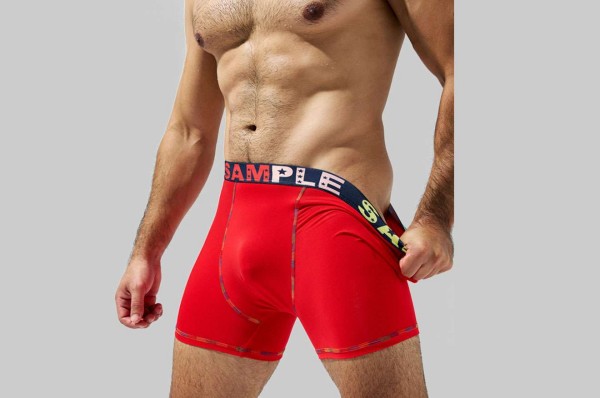
Choosing between Modal and cotton isn’t about finding a single winner; it’s about matching material properties to the product’s purpose. For high-intensity sportswear, premium underwear, or silky-soft loungewear, Modal’s wicking and dry feel make it a champion. But for heavy-duty workwear, terry cloth towels, or classic denim, cotton’s abrasion resistance, absorbent bulk, and traditional look are preferable. Furthermore, cost is a factor; while Modal pricing has become more competitive, it often still carries a premium over basic cotton. The expertise of a manufacturer like Sino Finetex lies in guiding clients through this decision matrix. We might recommend a Modal blend for a line of performance boxer briefs but steer a client toward a long-staple cotton for a hardwearing work sock. So, should you switch everything to Modal? Absolutely not. A smart brand portfolio leverages the strengths of both, and that’s where deep technical partnership adds immense value.
Sino Finetex Expert Insight
FAQs
Modal can shrink if exposed to high heat, especially in a dryer. However, high-quality Modal from experienced manufacturers like Sino Finetex undergoes pre-shrinking and stabilization finishes to minimize this. Always follow the garment’s care label, which typically recommends air drying or low tumble dry.
Is Modal suitable for people with sensitive skin?
Yes, generally. Modal is inherently smoother than cotton, with no short fiber ends to poke the skin, reducing irritation. Its excellent moisture-wicking also helps keep skin dry, preventing the damp environment where irritation can flourish. We always recommend checking for OEKO-TEX® certification to ensure no harmful processing chemicals remain.
Can Modal be as durable as cotton for everyday wear?
In its pure form, Modal is less abrasion-resistant than cotton. However, through strategic blending (e.g., with polyamide) and advanced fabric construction techniques employed by Sino Finetex, we create Modal blends that meet or exceed the durability of cotton for applications like daily t-shirts and underwear, while maintaining superior softness.
Why does some Modal feel different from others?
The “hand feel” and performance depend heavily on the fiber source, yarn spinning technology, fabric knit, and finishing processes. Generic Modal can vary. Sino Finetex works with top-tier fiber producers and applies proprietary finishing treatments to ensure a consistent, luxuriously soft, and high-performing hand that defines premium Modal.
