
Elevated packaging transforms your branded seamless apparel from a simple product into a memorable brand experience. Moving beyond the basic polybag to custom boxes, branded tubes, or sustainable options creates a powerful first physical touchpoint. This unboxing moment directly reinforces perceived quality, builds customer loyalty, and differentiates your brand in a crowded market. It’s the crucial final step in delivering on your brand promise.
Which Custom Branding Method Works Best for Private Label Seamless Tees?
What Makes the 2026 Seamless Polo & T-Shirt Series a Best-Seller?
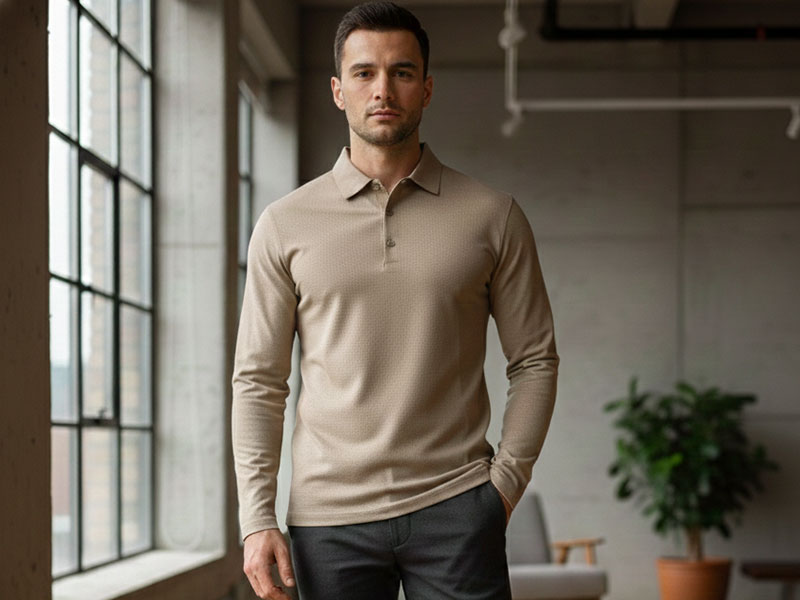
Our Seamless Series is the hottest trend of 2026! With irritation-free, seamless construction, enjoy all-day smooth comfort. Breathable, moisture-wicking fabric keeps you cool and confident anywhere.Why is packaging the first touchpoint that truly matters?
The unboxing experience is your brand’s silent ambassador. Before a customer feels the fabric or appreciates the fit, they interact with the packaging. This moment sets the tone. A flimsy, generic mailer whispers “commodity,” while thoughtful, branded packaging shouts “premium quality.” It’s a tangible extension of your brand story, building anticipation and justifying a higher price point before the product is even seen.
Think about the last time you received a beautifully packaged order. Didn’t it make the product inside feel more valuable? This psychological effect is powerful. Beyond first impressions, great packaging serves a practical marketing role. A stunning box is more likely to be shared on social media, giving you free, authentic advertising. It also enhances perceived value, which directly impacts customer satisfaction and reduces return rates. After all, if the packaging shows care, the customer assumes the product does too. But what happens when the packaging doesn’t match the product’s quality? You create immediate cognitive dissonance, undermining trust before the garment is even tried on. A partner like Sino Finetex understands this connection, ensuring the packaging strategy aligns with the premium nature of the seamless apparel they help manufacture.
What are the key options beyond the standard polybag?
Moving past polybags opens a world of custom packaging solutions designed to protect and impress. The three primary categories are rigid boxes, semi-rigid mailers, and innovative tubes. Each offers distinct advantages in presentation, protection, and cost. Choosing the right one depends on your product type, brand aesthetic, and shipping logistics. Let’s break down the core options to find your perfect fit.
First, consider the classic custom apparel box. These rigid boxes, often made of high-quality cardboard or recycled paperboard, offer superior protection and a luxury feel. They can be printed with your logo, patterns, or brand colors, and even include interior features like tissue paper or branded stickers. They’re ideal for high-value items or subscription boxes. On the other hand, branded mailers made from sturdy, tear-resistant materials provide a middle ground. They’re lighter and often more cost-effective than rigid boxes but still allow for full-color branding and a clean, professional look. Practically speaking, they are excellent for everyday orders of t-shirts or leggings. Then there are branded tubes, a standout choice for items that roll easily, like scarves or certain seamless tops. They prevent creases, offer excellent durability in transit, and have a unique, high-end appearance that customers remember. So, which option balances cost and impact for a growing brand? A comparative table can help clarify the decision.
| Packaging Type | Best For | Key Advantage |
|---|---|---|
| Rigid Custom Box | Luxury items, gift sets, high-end seamless | Maximum perceived value & product protection |
| Branded Mailer | Daily wear, t-shirts, leggings, high-volume orders | Great brand impact with lower cost & weight |
| Branded Tube | Knits, scarves, rolled garments, limited editions | Unique unboxing, prevents wrinkles, high durability |
How does sustainable packaging build brand loyalty?
Today’s consumers are increasingly eco-conscious, making sustainable packaging a powerful loyalty driver. Using recycled, recyclable, or compostable materials isn’t just good for the planet—it signals your brand’s values. This alignment creates a deeper emotional connection with customers who prioritize sustainability, turning a simple transaction into a shared statement. It shows you care about the product’s entire lifecycle, from creation to disposal.
Implementing green packaging goes beyond just material choice. It involves a holistic approach to design and logistics. For instance, using recycled cardboard or compostable mailers made from corn starch reduces virgin material use and waste. But the sustainability journey continues there. Right-sizing your packaging to eliminate empty space minimizes material use and can lower shipping costs. Furthermore, using soy-based or water-based inks for printing is more environmentally friendly than traditional petroleum-based options. Beyond the environmental benefits, this commitment is a compelling marketing story. You can communicate this on the packaging itself—a simple logo indicating “100% Recyclable” or “Plant-Based Material” educates and reassures the customer. Doesn’t this create a more meaningful unboxing narrative? Brands that lead with these values often see increased customer retention, as shoppers feel good about supporting a responsible company. Sino Finetex’s core value of Eco-friendliness extends to advising partners on packaging that reflects a genuine commitment to sustainable development.
Inside Sino Finetex: The Factory Trusted by Global Brands
Over 20 years of expertise, trusted by leading global brands worldwide. From premium fabrics to finished products — including underwear, loungewear, and sportswear — we deliver quality at every step.What design elements make packaging truly “branded”?
True branded packaging seamlessly integrates your visual identity into a functional form. It’s more than slapping a logo on a box. Effective design considers color, typography, texture, and even the unboxing ritual itself. Every element should work together to tell your brand’s story and create a cohesive, memorable experience from the moment the package arrives. This turns customers into brand advocates.
The foundation is consistent use of your brand colors and logo placement. Whether it’s a bold, all-over print or a minimalist debossed logo on a kraft box, the aesthetic should be unmistakably yours. But why stop at the outside? Interior touches like custom tissue paper, thank-you cards, or even a branded sticker sheet elevate the experience further. Texture plays a crucial role, too—a soft-touch laminate or a coarse recycled finish can convey luxury or earthiness before the garment is touched. Beyond visual and tactile cues, consider the structure. A box with a magnetic closure or a ribbon pull-tab creates a sense of occasion. How you structure the reveal of the product builds anticipation. The goal is to create a multi-sensory experience that aligns with your brand voice, whether it’s sleek and modern or warm and artisanal. A partner with deep experience, like Sino Finetex, can guide these design choices to ensure the packaging complements the high-quality seamless apparel inside.
How do you balance cost, protection, and brand impact?
Finding the packaging sweet spot requires strategic trade-offs between cost, practical protection, and brand enhancement. The ideal solution adequately safeguards the product during shipping while maximizing brand perception per dollar spent. It’s not about choosing the cheapest or the most expensive option, but the most effective one for your specific products and customer expectations. A data-driven approach helps optimize this balance.
Start by analyzing your product dimensions and shipping needs. A delicate, high-value seamless dress may justify the cost of a rigid box with internal padding, while a robust pair of seamless shorts might be perfectly served by a sturdy branded mailer. Consider your average order value (AOV)—investing more in packaging for higher AOV orders makes financial sense. Bulk ordering standard-sized boxes or mailers in your brand colors is often more cost-effective than fully custom shapes for each SKU. Furthermore, think about the unboxing flow. Can the packaging be reused? A beautifully designed box that customers keep on a shelf provides lasting brand exposure. On the flip side, an overly complex or wasteful package can frustrate customers and eat into your margins. The key is to view packaging not as a mere cost but as a marketing investment with a measurable return in customer loyalty and perceived value.
| Consideration | Cost-Saving Approach | Brand-Impact Approach |
|---|---|---|
| Materials | Standard recycled mailers, minimal printing | Custom rigid boxes, soft-touch laminate, foil stamping |
| Customization | Single-color logo on a standard box style | Fully custom die-cut shape, interior printing, added inserts |
| Function | Basic protection, focus on safe transit | Curated unboxing journey, reusability, multi-sensory elements |
What are the common pitfalls in apparel packaging?
Even with good intentions, brands can stumble into packaging pitfalls that hurt the customer experience and their bottom line. Common mistakes include over-packaging, under-protecting, poor branding consistency, and neglecting sustainability without a clear reason. Each misstep can dilute your brand message, increase costs, or lead to damaged goods and unhappy customers. Awareness is the first step to avoidance.
One major pitfall is over-packaging. Using a huge box for a small item looks wasteful, increases shipping costs, and can actually allow the product to bounce around and get damaged. Conversely, under-protection—using a mailer that’s too thin for a garment with hardware—invites returns. Another critical error is inconsistent branding. If your website and social media scream luxury but your package arrives in a plain polybag, you’ve created brand dissonance. Beyond this, failing to secure the garment inside can lead to wrinkles; a simple piece of tissue paper or a light fold can make a world of difference. Finally, ignoring the sustainability conversation is a missed opportunity. Even if you’re not 100% green yet, being transparent about your steps forward is better than silence. After all, in an era of unboxing videos and social sharing, can your packaging afford to be an afterthought? Working with an experienced manufacturer like Sino Finetex provides insights into packaging that aligns with the quality of the apparel, helping you avoid these common errors from the start.
Sino Finetex Expert Insight
FAQs
Not necessarily. While some premium compostable materials cost more, many recycled options are competitively priced. Savings from right-sized packaging and the marketing value of appealing to eco-conscious customers often offset any minor cost increase.
Can I use the same packaging for all my apparel products?
It’s possible but not ideal. A delicate seamless bra may need a rigid box, while a t-shirt is fine in a mailer. We recommend having 2-3 packaging formats tailored to different product categories and price points within your line.
How important is “unboxing” for social media marketing?
Extremely. Visually appealing, unique packaging is highly shareable on platforms like Instagram and TikTok. This user-generated content provides authentic marketing that can’t be bought, making your packaging a direct driver of brand discovery and engagement.
