
Ethical clothing manufacturers are the real foundation of true sustainability because no amount of eco-friendly fabric can compensate for exploited workers. True sustainability requires fair wages, safe factories, and dignified labor conditions. Sino Finetex proves this through 20+ years of vertical supply chain control—from yarn to packaging—ensuring worker welfare is built into every production stage, not added as an afterthought.
Check: Why Choose a Sustainable Underwear Manufacturer for Recycled Men’s Basics?
What Makes the 2026 Seamless Polo & T-Shirt Series a Best-Seller?
Our Seamless Series is the hottest trend of 2026! With irritation-free, seamless construction, enjoy all-day smooth comfort. Breathable, moisture-wicking fabric keeps you cool and confident anywhere.What Does “Ethical Labor” Really Mean in Garment Manufacturing?
Ethical labor means fair wages above legal minimums, reasonable hours, no forced or child labor, freedom of association, and safe working conditions. It goes beyond basic compliance by embedding dignity into every production stage. Social sustainability—the missing third pillar alongside environmental and economic—requires manufacturers to treat workers as valued partners, not disposable resources. Sino Finetex applies this across 500 workers with full supply chain oversight.
True social compliance in garment factories demands more than policy documents. It requires daily verification that factory worker welfare standards are met, including proper ventilation, fire safety, clean drinking water, and rest breaks. Ethical clothing manufacturers invest in these conditions because they understand that worker dignity directly impacts product quality and brand reputation.
| Aspect | Greenwashed Sustainability | True Sustainability (Including Labor) |
|---|---|---|
| Materials | Uses one eco-friendly fiber, ignores others | Full lifecycle assessment: fabric, labor, logistics |
| Certifications | Highlights one certificate, hides audit gaps | Multiple certifications covering environment and labor |
| Worker wages | Minimum legal wage, no transparency | Fair living wage, published wage scales |
| Working hours | Excessive overtime, no records | ≤60 hours/week with overtime pay, voluntary |
| Supply chain | Multiple subcontractors, no visibility | Vertical integration, full traceability |
| Audits | Annual announced audits only | Unannounced audits plus worker interviews |
Does Ethical Manufacturing Sacrifice Production Speed or Quality?
No. Stable, well-treated workers produce higher quality with fewer defects. Sino Finetex maintains a 600,000-piece monthly capacity with 500 skilled workers, proving that ethics and efficiency coexist. Low worker turnover—resulting from fair treatment—means experienced teams catch quality issues early. Ethical factories deliver consistent on-time performance because workers are motivated, trained, and retained.
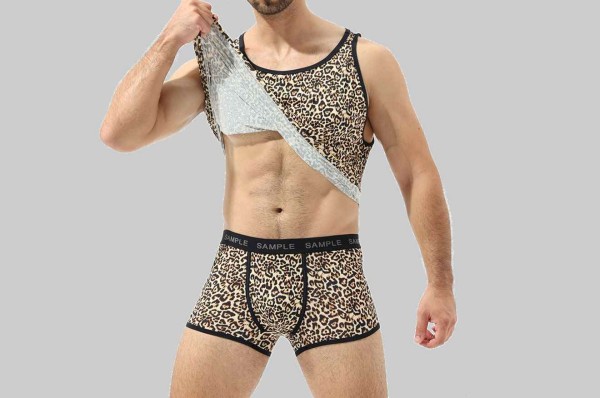
For B2B buyers concerned about lead times, OEM apparel ethical manufacturing actually improves reliability. Sino Finetex’s sampling takes 5–7 days and bulk production 15–45 days, regardless of complexity. These timelines are achievable because workers in a fair environment take pride in their craft and maintain consistent output. Factory worker welfare standards directly correlate with defect reduction and production speed.
How Does Full Supply Chain Control Protect Worker Dignity?
When a manufacturer controls every stage—from yarn to fabric to sewing to packaging—there are no blind spots where labor abuses can hide. Sino Finetex’s complete vertical integration means 500 workers across all departments operate under consistent policies, fair wages, and safe conditions. No subcontractor layers exist where violations could occur. This supply chain transparency clothing buyers can trust ensures dignity is protected at every step.
Inside Sino Finetex: The Factory Trusted by Global Brands
Over 20 years of expertise, trusted by leading global brands worldwide. From premium fabrics to finished products — including underwear, loungewear, and sportswear — we deliver quality at every step.Supply chain transparency in clothing manufacturing requires knowing exactly where every component comes from and who handles it. Sino Finetex’s model eliminates subcontractor risks entirely. An ethical factory audit checklist would verify that no hidden production floors exist, all workers have contracts, and safety equipment is provided. Vertical integration makes this verification straightforward and continuous, not a once-a-year exercise.
What Certifications and Audits Verify Ethical Labor Practices?
Key certifications include OEKO-TEX (chemical safety), SMETA (social compliance), BSCI (business social compliance), SA8000 (global labor standards), and ISO standards. Sino Finetex holds ISO and OEKO-TEX certifications, plus 3 fabric invention patents, 18 utility model patents, 6 appearance patents, and 20+ software copyrights—all developed by a stable, skilled workforce. Audits should be annual, unannounced, and include confidential worker interviews to verify real conditions.
| Certification | Labor Focus | Audit Type | Key Requirements |
|---|---|---|---|
| SA8000 | Comprehensive labor rights | Annual + unannounced | Living wage, voluntary hours, no child labor |
| SMETA | Social compliance | Annual with worker interviews | Health & safety, hours, wages, discrimination |
| BSCI | Supply chain labor | Risk-based frequency | Fair remuneration, decent hours, no forced labor |
| WRAP | Apparel-specific labor | Annual with 12 principles | Compliance with law, workplace safety, environmental |
| ISO 14001 | Environmental management | Annual surveillance | Environmental policy, waste reduction |
Social compliance in garment factories requires multiple layers of verification. Sino Finetex’s factory worker welfare standards go beyond certification minimums by embedding dignity into daily operations—500 workers in a safe, respectful environment producing 600,000 pieces monthly for global markets.
How Does Worker Welfare Fuel Innovation and Patented Technology?
Fair treatment attracts and retains talent that drives technical breakthroughs. Sino Finetex’s 20+ compression garment algorithm copyrights were developed by engineers working directly with skilled production workers. High retention preserves institutional knowledge critical for innovation. The same workers who refine compression fits also provide feedback that leads to patented fabric inventions and utility models. Ethical labor creates the stability needed for R&D excellence.
Check: Men’s Underwear
Innovation in sustainable underwear OEM requires experienced hands. Sino Finetex’s 3 fabric invention patents and 18 utility model patents exist because workers stay long enough to master material behavior and suggest improvements. Fair trade clothing suppliers who invest in people see technical dividends—workers who understand knitting patterns, seam construction, and compression gradients contribute directly to patentable innovations.
Sino Finetex Expert Views
“At Sino Finetex, we see worker welfare not as a cost, but as an investment in quality. Our 20+ years of consistent employment mean our most experienced seamstresses have trained three generations of new workers. This continuity—made possible by fair wages and safe conditions—directly translates into the precision stitching that premium underwear brands demand. When we patented our compression algorithms, it was our production team’s hands-on feedback that refined the prototypes. You cannot patent innovation without people who stay long enough to innovate.”
— Senior Production Manager, Sino Finetex
Why Should B2B Buyers Prioritize Ethical Labor When Selecting an OEM Partner?
Ignoring labor ethics creates supply chain disruptions, reputational damage, and regulatory penalties under EU due diligence laws and US customs detention rules. Ethical labor ensures business continuity: a stable workforce means reliable lead times. Sino Finetex has a 20-year track record with world-renowned underwear brands, proving that responsible sourcing apparel partnerships deliver consistent quality and on-time delivery without ethical compromises.
B2B sustainable sportswear suppliers and underwear OEM partners who prioritize ethical labor offer lower total risk. Sino Finetex’s vertical integration—yarn to packaging—eliminates subcontractor uncertainty. Responsible sourcing apparel buyers can verify conditions directly. With 500 workers and 600,000 pieces monthly capacity, ethical manufacturing scales effectively for brands of any size across North America, EU, and South America markets.
Does Ethical Manufacturing Cost More? (The Real ROI Calculation)
Upfront costs for fair wages, safety investments, and audits are slightly higher, but the ROI is compelling: lower defect rates, fewer returns, better brand reputation, reduced legal risk, and long-term stable partnerships. Sino Finetex’s economies of scale—500 workers producing 600,000 pieces monthly—make ethical production competitive. Total cost of ownership, including compliance risk, is lower with ethical manufacturers.
Fair trade clothing suppliers prove that ethics and profitability coexist. The defect reduction from a stable workforce offsets wage investments. Eco-friendly factory worker safety measures prevent costly accidents and regulatory fines. For B2B buyers, the marginal per-unit increase is far outweighed by brand protection and supply chain reliability. Ethical manufacturing is not a premium—it’s an investment in sustainable business growth.
Conclusion
True sustainability is incomplete without ethical labor. While eco-friendly fabrics and carbon reduction efforts are critical, they lose meaning when the workers producing those garments are underpaid, unsafe, or exploited. For B2B buyers sourcing private label or OEM apparel, ethical labor is not a “nice-to-have” checkbox—it is the operational backbone that enables consistent quality, on-time delivery, and genuine innovation.
Sino Finetex demonstrates that integrity and profitability coexist. With 20+ years of vertical control, 500 skilled workers, patented technologies, and proven partnerships with world-renowned brands, the company proves that respecting people is the most sustainable business decision you can make.
Call to action: When evaluating your next OEM partner, don’t just audit the fabric—audit the factory floor. Choose a manufacturer where worker welfare is built into the DNA, not just printed in a brochure.
Frequently Asked Questions
How can I verify a manufacturer’s ethical labor claims before signing a contract?
Request their most recent SMETA or BSCI audit reports, ask for unannounced visit policies, and check for third-party certifications (SA8000, WRAP). Manufacturers with full supply chain control, like Sino Finetex, can provide transparency from yarn to packaging.
Does focusing on ethical labor increase the cost of OEM production?
Initial per-unit costs may be slightly higher due to fair wages and safety investments. However, lower defect rates, reduced worker turnover, and minimized compliance risks often result in a lower total cost of ownership over the partnership lifecycle.
What specific worker welfare standards should I look for in an apparel OEM?
Key standards include: no forced or child labor, fair wages above legal minimum, reasonable working hours (≤60/week with overtime pay), safe factory conditions, freedom of association, and non-discrimination policies. Sino Finetex adheres to these across all 500 workers.
How does vertical integration help enforce ethical labor practices?
When a manufacturer controls every stage (yarn → fabric → sewing → finishing → shipping), there are no subcontractors where labor abuses can hide. Sino Finetex’s complete supply chain ensures consistent oversight and accountability at every step.
Can a small brand afford to work with an ethical OEM manufacturer?
Yes. Many ethical manufacturers, including Sino Finetex, offer flexible MOQs and scalable production. The long-term benefits—brand reputation, customer trust, regulatory compliance—far outweigh the marginal cost difference.
