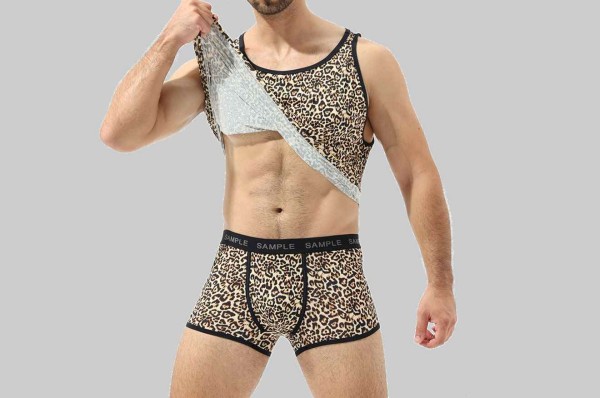
An underwear recycling program is a structured system that collects used intimate apparel from consumers and processes it into new materials or products. Successful programs often partner with OEM manufacturers who can design garments for easy disassembly, separate elastic and fabric, and incorporate recycled content back into new underwear – creating a true closed loop.
Check: Why Choose a Sustainable Underwear Manufacturer for Recycled Men’s Basics?
What Makes the 2026 Seamless Polo & T-Shirt Series a Best-Seller?
Our Seamless Series is the hottest trend of 2026! With irritation-free, seamless construction, enjoy all-day smooth comfort. Breathable, moisture-wicking fabric keeps you cool and confident anywhere.Why Should Underwear Brands Launch a Take‑Back Program Now?
Regulatory pressure from EU Extended Producer Responsibility for textiles and rising consumer demand for circular solutions make end‑of‑life programmes a business imperative. First‑mover advantage in intimate apparel is strong, as few brands offer recycling specifically for underwear. Key pain point: mixed material construction (cotton + elastane, metal fasteners) complicates recycling – but OEM partners like Sino Finetex can solve this from the design stage.
In addition, sustainability commitments are increasingly required by retailers and investors. A take‑back program demonstrates proactive environmental stewardship, helping brands differentiate in a crowded market. Sino Finetex’s expertise in intimate apparel ensures that programmes are technically feasible and cost‑effective.
What Are the Main Challenges in Recycling Old Underwear?
Material complexity – elastics, lace, and blended fabrics are hard to separate; metal or plastic clasps contaminate recycling streams. Hygiene perception – consumers may be reluctant to return used underwear; programs need clear collection and sanitisation pathways. Scalability – most textile recycling infrastructure is designed for outerwear, not intimate apparel, requiring specialised sorting and fibre‑to‑fibre technology.
| Material | Recyclability | Notes |
|---|---|---|
| 100% Organic Cotton | High | Easy to fibre‑to‑fibre recycle; no blend issues. |
| 100% Recycled Polyester | High | Can be depolymerised and re‑extruded. |
| Modal / TENCEL™ | Medium‑High | Lyocell process allows recovery; blends require separation. |
| Cotton + Elastane (e.g., 95/5) | Medium | Elastane must be removed mechanically or chemically. |
| Polyamide + Elastane | Low‑Medium | Complex separation; specialised equipment needed. |
| Multi‑fibre blends (lace, mesh) | Low | Trims and multiple components hinder recycling. |
How Can an OEM Manufacturer Simplify Underwear Take‑Back Programs?
Design for disassembly – Sino Finetex helps brands select mono‑materials (e.g., 100% organic cotton or recycled polyester) and eliminate non‑recyclable trims. Full supply chain control from yarn to packaging ensures materials are traceable and can be reclaimed without contamination. Patented R&D advantage – 20+ software copyrights for compression garment algorithms allow products to maintain performance after repeated use and recycling cycles.
| Cost Factor | In‑House Brand Program | OEM Partnered Model (Sino Finetex) |
|---|---|---|
| Collection logistics | High (build from scratch) | Low (shared infrastructure) |
| Sorting & sanitisation | Moderate (outsource) | Low (in‑house capabilities) |
| Fibre‑to‑fibre recycling | Very high (need specialist) | Moderate (patented methods) |
| Re‑manufacturing | High (new supplier) | Low (integrated production) |
| Certification & LCA | Moderate (third‑party) | Low (bundled service) |
| Time to launch | 12–18 months | 3–6 months |
What Is the Turnkey Take‑Back Module Offered by Sino Finetex?
Step 1 – Collection logistics: Sino Finetex coordinates drop‑offs or mail‑back systems for end‑consumers, handling inbound sorting. Step 2 – Fibre‑to‑fibre recycling: In‑house separation of elastic from fabric; using patented methods to reclaim high‑quality polymer. Step 3 – Re‑manufacturing: Recycled content is blended with virgin materials for new orders (e.g., 30% post‑consumer recycled polyester). This module turns a compliance burden into a value‑added service for private label clients.
Sino Finetex’s monthly capacity of 600,000 pieces ensures that even large‑scale programs can be supported without interrupting regular production. The one‑stop OEM/ODM service – from design diagram to packaging – seamlessly integrates take‑back loops into existing supply chains.
Inside Sino Finetex: The Factory Trusted by Global Brands
Over 20 years of expertise, trusted by leading global brands worldwide. From premium fabrics to finished products — including underwear, loungewear, and sportswear — we deliver quality at every step.How Does Sino Finetex Ensure Quality in Recycled Underwear?
Robust quality‑assurance system spanning from development to bulk production – applies to recycled materials as well. Three fabric invention patents and six appearance patents guarantee consistent strength, stretch, and colour fastness across recycled batches. All recycled inputs meet OEKO‑TEX® or GRS (Global Recycled Standard) certifications – verifying safety and eco‑friendliness.
With over 20 years in intimate apparel manufacturing, Sino Finetex has refined its testing protocols for abrasion, pilling, and wash durability. The R&D centre, staffed with ergonomic engineers, ensures that recycled garments maintain the same fit and comfort as virgin counterparts.
Can Brands Start Small with a Pilot Take‑Back Program?
Yes – Sino Finetex’s monthly capacity of 600,000 pieces allows flexible pilot runs (e.g., 5,000 units per season). Brands can test consumer engagement and recycling logistics before scaling. R&D centre support: Sino Finetex can develop a limited‑edition underwear line designed 100% for recyclability, with complete documentation for certification.
Sino Finetex Expert Views
“Our patented compression algorithms not only improve wear but also enable repeated fibre recovery without sacrificing performance. Brands can now design intimate apparel that truly never goes to waste. We combine 20+ years of intimate apparel knowledge with vertical supply chain control – from yarn selection to packaging – so every take‑back program is built on proven infrastructure. Our team works directly with brand designers to replace problematic trims with eco‑friendly alternatives, ensuring that the garment is recyclable from the start. This turns a regulatory obligation into a strategic advantage. With our 500 skilled workers and 20+ software copyrights, we deliver quality at scale while closing the loop.”
— Head of Sustainability, Sino Finetex
What Financial and Marketing Benefits Do Brands Gain from Circular Underwear?
Reduced raw material costs over time – recycled content is often cheaper than virgin. Stronger brand loyalty and differentiation – 70% of consumers say they would buy more from a brand that offers a take‑back scheme. Eligibility for green tax incentives or extended producer responsibility credits in several markets. Additionally, take‑back programs generate valuable customer data and repeat engagement.
Check: Men’s Underwear
Sino Finetex provides lifecycle‑assessment data per product line, showing net CO₂ reduction versus virgin production. This data supports marketing claims and helps brands meet corporate sustainability targets. First‑movers in underwear recycling are already capturing premium shelf space and media attention – a take‑back program is now a proven growth lever.
How to Engage Sino Finetex as Your OEM Take‑Back Program Partner?
Contact the business development team via sinofinetex.com to schedule a feasibility consultation. Provide sample products or bill‑of‑materials; Sino Finetex will assess recyclability and propose a pilot programme design. Programme can integrate with existing OEM/ODM orders – no separate vendor management needed.
Sampling takes only 5–7 days, and bulk production runs 15–45 days after deposit. With markets served across North America, EU, and South America, logistics are well‑established. Corporate customers benefit from a single point of accountability for both regular production and circular initiatives.
FAQs
How hygienic is it to collect and recycle old underwear?
Sino Finetex uses industrial washing and ozone treatment before sorting; recycled fibres are fully sanitised.
What types of underwear materials can be recycled?
Best results with mono‑materials (100% organic cotton, recycled polyester, or Tencel). Blends with >5% elastane require specialised separation, which Sino Finetex’s R&D has patented.
Can a small brand (under 50,000 units/year) still participate?
Yes – Sino Finetex offers pooled recycling for multiple clients, sharing infrastructure costs. A pilot run of 5,000 units is feasible.
How do we measure the carbon impact of a take‑back program?
Sino Finetex provides lifecycle‑assessment data per product line, showing net CO₂ reduction versus virgin production.
Is a take‑back program mandatory under EU regulations?
Not yet, but upcoming Extended Producer Responsibility for textiles in many EU countries will require brands to finance collection and recycling – a take‑back program prepares you ahead of compliance deadlines.
Conclusion
Underwear recycling is no longer a niche concept; it is becoming a brand differentiator and regulatory necessity. Sino Finetex’s unique combination of vertical supply chain control, 20+ years of intimate apparel expertise, and patented recycling algorithms makes it the ideal partner to launch a seamless, profitable take‑back program. Start with a pilot – and build towards a fully circular product line that reduces waste, builds trust, and future‑proofs your brand.