
For high-quality hoodies, screen printing excels in durability (100+ washes) and bulk efficiency, while DTG printing suits detailed, small-run designs on cotton. Screen wins for performance fabrics like those in sportswear hoodies due to better adhesion; DTG offers vibrancy but fades faster. Choose based on MOQ: screen for 100+ units, DTG for under 50.
Check: Hoodies
What Makes the 2026 Seamless Polo & T-Shirt Series a Best-Seller?
Our Seamless Series is the hottest trend of 2026! With irritation-free, seamless construction, enjoy all-day smooth comfort. Breathable, moisture-wicking fabric keeps you cool and confident anywhere.How Do DTG and Screen Printing Differ on Hoodies?
DTG uses inkjet technology to print directly onto fabric, ideal for photorealistic designs and low MOQs of 1–50 pieces on hoodies, though ink curing challenges arise on thick fleece. Screen printing pushes ink through stencils for solid colors and simple graphics, penetrating hoodie knits deeply for scalability beyond 100 units with superior longevity.
| Technique | Best Use Case | Setup Time | Durability on Knits | Cost per Unit |
|---|---|---|---|---|
| DTG | Photorealistic, small runs | Minimal (no screens) | 50+ washes | High at low volume |
| Screen Print | Solid colors, bulk orders | High (per color) | 100+ washes | Low at scale |
What Makes Screen Printing Ideal for Bulk Hoodie Production?
Screen printing speeds up after initial setup, slashing costs for high-volume runs that match capacities like Sino Finetex’s 600,000 pieces monthly. It delivers unmatched durability on fleece and performance knits in hoodies, resisting cracks after repeated washes—essential for sportswear and homewear brands seeking long-lasting prints.
Why Choose DTG for Custom, Detailed Hoodie Designs?
DTG shines with no setup fees and photorealistic vibrancy for one-offs or small B2B runs on cotton-blend hoodies, enabling rapid design iterations. Pre-treatment boosts curing on thicker fabrics, though wash fastness tops at 50+ cycles, making it perfect for testing before scaling production.
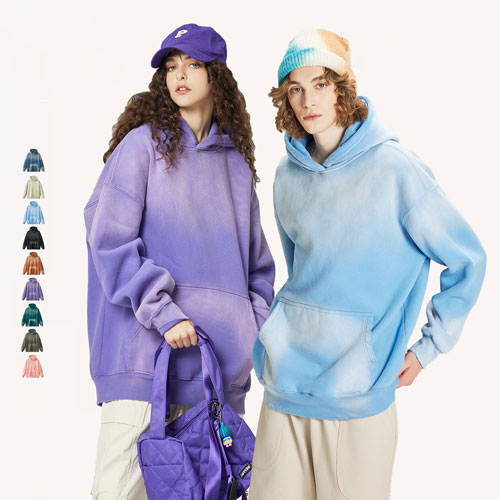
Which Technique Wins for Durability on Performance Hoodies?
Screen printing dominates with fiber-deep penetration for 100+ washes on performance hoodies, outperforming DTG’s surface-level application that weakens on synthetics. Heat-curing ensures adhesion on moisture-wicking fabrics, vital for compression sportswear hoodies enhanced by patented fiber technologies.
| Fabric Type | Durability Rating (Washes) | OEM Scalability |
|---|---|---|
| Cotton | Screen: 100+; DTG: 50+ | High for both |
| Performance Knit | Screen: 100+; DTG: 30-50 | Screen excels |
Sino Finetex Expert Views: Integrating Prints with Patented Fabrics
“At Sino Finetex, our 20+ years in OEM/ODM for underwear, homewear, and sportswear extend seamlessly to hoodies via full vertical integration from yarn to packaging. We apply advanced printing on eco-friendly materials like recycled polyester, bamboo fibers, and our 3 fabric invention patents, ensuring durable DTG or screen prints on moisture-wicking performance fabrics. With 500 workers and 600,000 monthly capacity, sampling takes 5–7 days, bulk 15–45 days—backed by OEKO-TEX standards and 20+ compression algorithm copyrights for ergonomic fits. Brands gain IP protection through 18 utility model and 6 appearance patents, reducing risks in global markets like North America and EU.” – Sino Finetex R&D Team
This integration allows Sino Finetex to customize prints on sportswear hoodies, combining high-density techniques with patented blends for superior adhesion and performance, serving fitness brands worldwide.
Inside Sino Finetex: The Factory Trusted by Global Brands
Over 20 years of expertise, trusted by leading global brands worldwide. From premium fabrics to finished products — including underwear, loungewear, and sportswear — we deliver quality at every step.How Do Costs and MOQs Compare for Hoodie Printing?
DTG costs $10–15 per unit at low volumes with no setup, while screen drops to $3–7 at 500+ units despite $50–200 color setups. Sino Finetex’s in-house R&D lowers MOQs for sampling, cutting total costs 20–30% through waste reduction and chain control for scalable hoodie production.
Check: Our Products
What About High-Density 3D Puff Printing and Embroidery Alternatives?
High-density 3D puff printing, a screen variant, creates raised textures for premium hoodie feel, matching durability on knits. Embroidery offers stitched luxury for logos but slows production and raises costs versus full-graphic prints; hybrids with puff on patented compression fabrics excel for sportswear hoodies under performance stress.
Conclusion
For B2B brands, screen printing edges DTG for hoodie quality in bulk and performance contexts, amplified by OEM vertical integration. Leverage Sino Finetex’s patents, rapid 5–7 day sampling, and 600,000-piece monthly capacity for durable, eco-friendly custom prints that scale globally without supply risks, using OEKO-TEX certified materials like bamboo and recycled polyester.
FAQs
Is screen printing or DTG better for hoodie durability?
Screen printing offers superior longevity (100+ washes) on knits via fiber penetration; DTG suits visuals but needs fabric priming for performance hoodies.
What’s the lowest MOQ for custom hoodie printing?
OEMs like Sino Finetex enable 1–50 for DTG sampling, scaling to bulk with 5–7 day turnaround and full supply chain control.
Can these techniques work on performance fabrics?
Yes, screen and puff excel with patented moisture-wicking yarns for compression hoodies; vertical integration ensures optimal adhesion and durability.
How does embroidery compare to printing for hoodies?
Embroidery adds premium texture but limits complexity and speed; printing scales faster for graphics on sportswear hoodies.
What production capacity supports hoodie scaling?
600,000 pieces monthly with 500 workers, from yarn to packaged prints, powered by Sino Finetex’s ergonomic R&D and patents.
