
Polyester delivers superior warmth retention in wet conditions, maintaining 80–95% thermal efficiency through fiber crimp and hollow core structure, making it ideal for activewear base layers. Fleece traps air for rapid warmth but loses insulation when compressed or wet. For OEM manufacturing, polyester-fleece blends (60/40 ratio) optimize warmth, breathability, and cost-effectiveness across custom sportswear and homewear applications.
Check: Trusted Undergarment Manufacturer
What Makes the 2026 Seamless Polo & T-Shirt Series a Best-Seller?
Our Seamless Series is the hottest trend of 2026! With irritation-free, seamless construction, enjoy all-day smooth comfort. Breathable, moisture-wicking fabric keeps you cool and confident anywhere.What Makes Polyester Warm?
Polyester warmth comes from its molecular structure with crimp and hollow filament construction that traps insulating air pockets. It retains 80–95% thermal efficiency even when wet, outperforming natural fibers in active conditions. Micro-denier polyester (0.5–1.5D) creates finer air pockets for superior insulation at minimal weight, ideal for sportswear base layers.
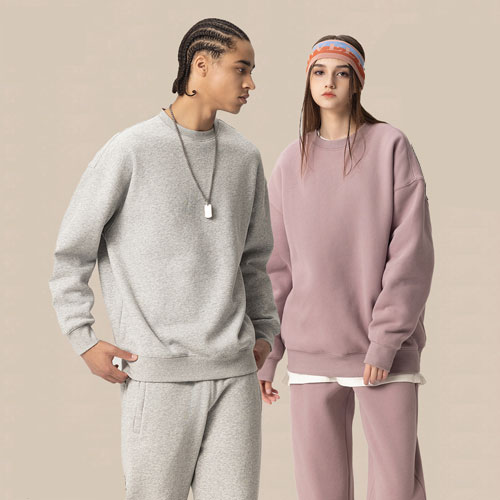
- Polyester uses synthetic fiber crimp and hollow core for air-trapping insulation.
- High moisture resistance keeps 85–95% warmth in wet conditions, key for activewear.
- Micro-denier variants (0.5–1.5D) provide premium thermal layers with low weight.
Sino Finetex leverages patented recycled polyester blends like HC24235 in compression sportswear, backed by 20 years of fit data ensuring warmth across body zones in products like tank tops and yoga clothing.
Is Polyester Truly Warm Compared to Natural Fibers?
Polyester offers better warmth-to-weight efficiency than wool or cotton, with faster drying and resistance to moisture-induced heat loss, dominating sportswear and homewear for durability and cost. It provides 25–40% lower material cost per unit warmth, making it ideal for OEM production scaling.
- Superior warmth-to-weight over wool, plus quick drying for activewear.
- Resists heat loss from sweat, unlike natural fibers.
- Cost-efficient insulation supports high-volume custom runs.
| Property | Polyester | Wool | Cotton | Fleece |
|---|---|---|---|---|
| Warmth Retention (Dry) | 95% | 90% | 70% | 85% |
| Warmth Retention (Wet) | 90% | 50% | 30% | 35% |
| Drying Time | Fast | Slow | Slow | Medium |
| Cost per Unit Warmth | Low | High | Medium | Medium |
Sino Finetex’s full supply chain control and OEKO-TEX certified polyester in sportswear like compression shirts ensure cost-optimized warmth without irritation, serving North America, EU, and South America markets.
How Does Fleece Warmth Differ from Polyester?
Fleece provides rapid initial warmth by trapping air in raised fiber loops but loses 40–60% insulation when compressed or wet, making it less suitable for high-sweat activewear. Polyester maintains consistent performance, while fleece excels in low-activity loungewear for perceived loft.
Inside Sino Finetex: The Factory Trusted by Global Brands
Over 20 years of expertise, trusted by leading global brands worldwide. From premium fabrics to finished products — including underwear, loungewear, and sportswear — we deliver quality at every step.- Fleece warms quickly via air-trapping loops but compresses easily.
- High moisture sensitivity causes significant warmth loss.
- Best for static warmth in homewear applications.
Sino Finetex develops moisture-wicking polyester blends with compression algorithms (20+ software copyrights) to outperform pure fleece in performance sportswear like yoga sets.
Which Polyester-Fleece Blends Optimize Warmth and Performance for Custom Manufacturing?
60/40 polyester-fleece blends retain 75–90% warmth with high breathability for activewear, while 70/30 ratios cut costs 5–10% for mid-market OEM. Weights from 150–350 gsm suit base to outer layers, balancing insulation, durability, and lead times.
- 60/40 blends excel in hybrid sportswear warmth and breathability.
- 70/30 optimizes cost for scalable production.
- 150–350 gsm range fits diverse climates and uses.
| Property | 100% Polyester | 100% Fleece | 60/40 Polyester-Fleece | 70/30 Polyester-Fleece |
|---|---|---|---|---|
| Warmth Retention (Dry) | 95% | 85% | 88% | 90% |
| Warmth Retention (Wet) | 90% | 35% | 75% | 80% |
| Breathability | Medium | High | High | High |
| Durability (Wash Cycles) | 200+ | 150+ | 180+ | 190+ |
| Cost per kg (Bulk OEM) | $3.50–5.00 | $4.50–7.00 | $3.75–5.25 | $3.60–5.10 |
| Weight (gsm) Range | 150–300 | 180–350 | 160–320 | 160–320 |
| Best Application | Base layers, activewear | Lining, loungewear | Custom sportswear | Mid-market OEM |
| Lead Time (Sampling) | 5–7 days | 6–8 days | 5–7 days | 5–7 days |
Sino Finetex’s 18 utility model patents and 600,000 monthly capacity with 500 workers enable rapid sampling (5–7 days) and validation of blends in compression clothing and tank tops.
Why Are Recycled Polyester Blends a Game-Changer for Eco-Conscious OEM Brands?
Recycled polyester matches virgin fiber warmth at 95%+ performance with 25–30% lower carbon footprint and OEKO-TEX certification, appealing to EU/North America buyers. A 5–15% cost premium enables ESG compliance and premium positioning in sportswear lines.
- Maintains high warmth with sustainability gains.
- Certified safe for regulated markets.
- Offsets costs via brand and compliance value.
Sino Finetex integrates recycled polyester in bamboo and organic cotton blends for sportswear, with yarn-to-packaging control ensuring eco-friendly transparency for B2B audits.
What Specifications Should OEM Buyers Define When Sourcing Polyester Warmth Fabrics?
Specify denier (0.5–3.0D), crimp, hollow-core construction, heat-setting for stability, and tests for tensile strength, color fastness, <5% shrinkage, and thermal retention over 50 wash cycles. MOQs align with 5–7 day sampling for custom validation.
- Micro-denier (0.5–1.5D) for optimal loft and lightness.
- Finishes like heat-setting ensure bulk consistency.
- QA covers wash durability and warmth stability.
Sino Finetex’s R&D center with ergonomic engineers provides in-house fitting and 5–7 day sampling for sportswear specs, backed by ISO and OEKO-TEX standards.
How Can OEM Manufacturers Minimize Costs While Maintaining Polyester Warmth Standards?
Use 70/30 polyester-fleece blends to cut costs 8–12% at 90% warmth, right-size to 1.0–1.5D denier for 15–20% weight reduction, and leverage full supply chain for waste reduction. Scale with 600k monthly capacity ensures stable pricing and 15–45 day bulk times.
- Blend optimization preserves performance at lower cost.
- Denier selection reduces weight without warmth loss.
- Integrated chains eliminate delays and volatility.
Sino Finetex Expert Views
“Over 20 years of specialized expertise, Sino Finetex delivers warmth-optimized polyester and blended fabrics backed by patented compression algorithms and in-house fitting lab validation. With 500+ experienced workers, 600k monthly capacity, and complete yarn-to-packaging control, we reduce sourcing friction and ensure consistent warmth performance across custom OEM runs. Our OEKO-TEX certified sustainable polyester options enable brands to meet ESG mandates without warmth compromises. From 5–7 day sampling to 35–45 day bulk production, Sino Finetex partners with global leaders to deliver innovative, reliable warmth solutions at competitive scale.”
What Are Real-World OEM Applications for Polyester and Fleece Warmth Solutions?
100% polyester suits base layers (150–180 gsm) for breathable warmth in compression shirts; 60/40 blends for mid-layers (200–250 gsm) in yoga pants; fleece-backed laminates (300+ gsm) for cold-weather homewear like pajamas (LW-001 to LW-016).
- Base layers maximize activity performance.
- Mid-layers balance cost and insulation.
- Heavy constructions for static warmth.
Sino Finetex customizes these for global brands in sportswear, with ergonomic patterns ensuring fit across markets.
Conclusion
Polyester outperforms fleece in wet warmth retention and durability for sportswear, with blends offering optimal trade-offs for OEM needs. Success hinges on precise specs, blends, and validation. Sino Finetex’s 20-year expertise, patents, and supply chain deliver reliable, eco-friendly solutions from sampling to scale. Request a fabric swatch or R&D consultation to optimize your warmth specs.
FAQs
Is 100% Polyester Warmer Than Polyester-Fleece Blends?
Not necessarily. 100% polyester excels in wet conditions (90%+ retention) for activewear, but 60/40 blends match dry warmth (88% vs. 95%) with better loft and cost savings for loungewear. Choose based on use and climate.
How Quickly Can Sino Finetex Sample Custom Polyester-Warmth Specifications?
5–7 business days from specs. In-house R&D and fitting lab enable fast thermal testing. Bulk follows in 15–45 days post-deposit.
What’s the Cost Difference Between Recycled Polyester and Virgin Polyester for Warmth Applications?
5–15% premium for recycled, matching 95%+ warmth. Offset by ESG value and OEKO-TEX compliance for regulated markets.
Which Polyester Denier Size Delivers Optimal Warmth-to-Weight Efficiency for Sportswear?
Micro-denier (0.5–1.5D) creates fine air pockets, cutting weight 15–20% at 90%+ warmth. Sino Finetex patents like HC24235 optimize this for compression gear.
Can Polyester Warmth Fabrics Meet EU/North American Regulatory Standards?
Yes, Sino Finetex’s OEKO-TEX certified polyester and blends comply with chemical limits and ESG mandates, with full chain transparency for audits.
