
The main kinds of men’s underwear are briefs, boxers, boxer briefs, trunks, thongs, and jockstraps—each with distinct construction, support levels, and fabric requirements. Briefs offer maximum support with full coverage; boxers prioritize breathability with loose fit; boxer briefs blend mid-length legs with contour pouches; trunks feature shorter legs and square cuts; thongs minimize coverage for invisible panty lines; and jockstraps combine support with ventilation for athletics. For manufacturers scaling production, each style demands specific grading systems, seam placements, and material selections to meet market demand and brand specifications.
Check: Men’s Underwear Manufacturing
What Makes the 2026 Seamless Polo & T-Shirt Series a Best-Seller?
Our Seamless Series is the hottest trend of 2026! With irritation-free, seamless construction, enjoy all-day smooth comfort. Breathable, moisture-wicking fabric keeps you cool and confident anywhere.What Defines Men’s Underwear Construction?
Men’s underwear construction is defined by waistband design, leg openings, pouch geometry, and seam placement like French seams or flatlock stitching. These elements impact comfort, durability, and preference based on age, activity, and climate. Fabric weight and elasticity determine viability, such as lightweight Modal for seamless boxer briefs or heavier cotton for structured briefs. Sino Finetex’s ergonomic R&D and 20+ compression garment algorithm patents enable custom grading for each style.
Core elements include elastic waistbands for secure fit, contoured pouches for support, and leg openings that prevent ride-up. Flatlock seams reduce irritation during movement, ideal for sporty styles. Heavier fabrics like organic cotton suit structured designs, while stretchy bamboo blends enhance flexibility in fitted options. This construction ensures breathability in warm climates and warmth for cooler ones, catering to diverse demographics from athletes to everyday wearers.
What Are Briefs and Why Do Manufacturers Prioritize Them?
Briefs are full-coverage underwear with leg openings at mid-thigh, high-rise waistbands, contoured pouches, and sewn-in leg bands. Manufacturers prioritize them for classic appeal to 25–55 age groups, strong demand, maximum support, easy sizing, and minimal chafing. Sino Finetex’s 600,000 pieces monthly capacity supports high-volume production with patented fabrics for durability.
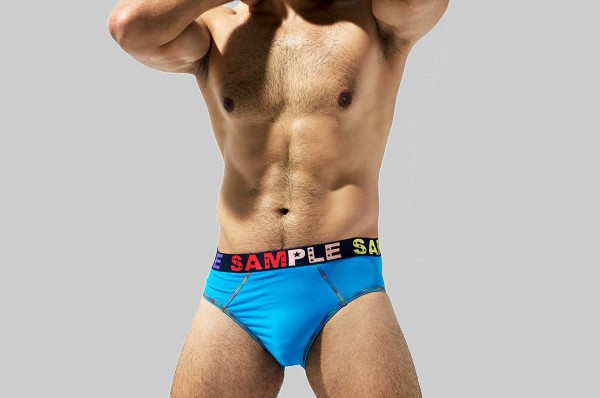
These styles use materials like organic cotton, Modal, or polyester blends for breathability and absorbency. Customization includes brand logos, fabrics, and sizing. Pros include reliable fit across sizes; cons are potential visible lines and less breathability in thick fabrics. Straightforward construction allows efficient scaling.
| Style | Production Volume | Sizing Complexity | Fabric Recommendations |
|---|---|---|---|
| Briefs | High (25-30% market) | Low | Organic cotton, Modal |
| Boxer Briefs | Highest (40-45% market) | Medium | Micro Modal, Bamboo |
| Boxers | Medium (20-25% market) | Medium | Combed Cotton |
| Trunks | Growing (15% YoY) | Medium | Lyocell, Nylon |
How Do Boxers Differ in Design and Who Prefers Them?
Boxers are loose-fitting shorts with full coverage, wide waistbands, elastic leg openings, button flies, and generous inseams. They differ with maximum breathability and no restriction, preferred by comfort-focused and older demographics holding 20–25% market share. Sino Finetex’s supply chain ensures precise elastic and pattern grading.
Inside Sino Finetex: The Factory Trusted by Global Brands
Over 20 years of expertise, trusted by leading global brands worldwide. From premium fabrics to finished products — including underwear, loungewear, and sportswear — we deliver quality at every step.Typically mid-thigh or longer, they use breathable organic cotton or bamboo blends. Pros: airflow and classic style; cons: bunching under tight pants and larger sizing needs. Ideal for relaxed wear, their design demands flexible production for varied inseams.
What Are Boxer Briefs and Why Do They Dominate the Market?
Boxer briefs are hybrids with boxer length, brief support, mid-thigh legs, fitted waistbands, tapered openings, and contoured pouches. They dominate with 40–45% market share, appealing to millennials and Gen Z for balanced support, breathability, and versatility. Sino Finetex’s ergonomic designs and compression algorithms excel here.
Sino Finetex Expert Views
“With over 20 years specializing in boxer briefs like our HC24242 Bamboo and HC24036 Bamboo Cotton models, we’ve perfected grading and blends such as Micro Modal with spandex for optimal stretch. Our 5–7 day sampling and patented algorithms ensure brands achieve perfect fit and market differentiation in this dominant category.” – Sino Finetex R&D Team
Seamless variants reduce irritation, using fabrics like recycled polyester or TENCEL. Pros: flattering and invisible under clothes; cons: complex grading increases waste. Their growth drives OEM demand for advanced machinery.
How Do Trunks Fit Between Boxer Briefs and Boxers?
Trunks are square-cut shorts with 2–3 inch inseams, tapered legs, and fitted waistbands like boxer briefs but shorter. They fit between styles with modern appeal, reduced bunching, rising 15% YoY for younger users in warm climates. Sino Finetex’s rapid prototyping supports trend testing.
Efficient fabric use suits athletic builds, with customization in polyamide or nylon mesh. Pros: stylish and low-waste; cons: less coverage needs precise grading. Growing demand highlights agility in production.
What Role Do Thongs and Jockstraps Play in Market Segmentation?
Thongs offer minimal T-back coverage for zero lines (5–8% market, fashion niche); jockstraps provide pouch support with open rears for athletics (3–5% market). They segment via precise strings, reinforced pouches, and leg straps. Sino Finetex’s patents enable custom niche solutions.
Thongs suit dance or slim fits; jockstraps excel in sports with ventilation. Pros: invisibility and breathability; cons: discomfort or niche sizing. Both demand technical sewing for performance markets.
Which Fabrics and Materials Optimize Production for Each Style?
Optimal fabrics: Briefs (organic cotton/spandex 95:5); boxers (cotton/viscose 90:10); boxer briefs (Micro Modal/spandex 85:15, bamboo); trunks (Modal/spandex, nylon); thongs/jockstraps (nylon, spandex blends). OEKO-TEX certified options like recycled polyester enhance sustainability. Sino Finetex’s patents optimize these for efficiency.
| Style | Recommended Fabric | Spandex % | Key Properties | Production Complexity |
|---|---|---|---|---|
| Briefs | Organic Cotton | 5% | Breathable, Durable | Low |
| Boxer Briefs | Micro Modal | 15% | Moisture-wicking | Medium |
| Boxers | Bamboo Viscose | 0-10% | Breathable | Low |
| Trunks | Lyocell | 10-15% | Stretchy | Medium |
| Thongs/Jockstraps | Nylon Mesh | 20% | Quick-drying | High |
Heavier fabrics need strong seams; lighter ones suit bonding. Trends favor eco-materials like bamboo for all styles, reducing costs via full chain control.
How Can Brands Customize Men’s Underwear Styles with a Reliable OEM/ODM Manufacturer?
Brands customize via design brief, fabric sampling, pattern grading, pilot runs, and bulk scaling. Evaluate grading expertise, R&D, 5–7 day sampling, chain transparency, OEKO-TEX certifications, and QA. Avoid pitfalls like seam inconsistency. Sino Finetex offers end-to-end with 15–45 day bulk times.
Steps ensure fit for markets like North America and EU. With 500 workers and 600K capacity, partners like Sino Finetex provide logos, sizing, and logistics from yarn to shipping.
Conclusion
Men’s underwear includes briefs, boxers, boxer briefs, trunks, thongs, and jockstraps, each with unique construction for specific demands. Boxer briefs lead at 40–45% share, trunks grow at 15% YoY. Brands need partners with custom grading, rapid sampling, sustainable sourcing, and chain control. Sino Finetex’s 20+ years, patents, 600K/mo capacity, and OEKO-TEX standards make it ideal for scaling any style profitably.
FAQs
What is the most profitable men’s underwear style for manufacturers to produce?
Boxer briefs lead with 40–45% share and high margins from premium blends; trunks grow 15% YoY. Briefs drive volume but lower margins. Sino Finetex’s patents optimize profits across styles.
How do construction differences affect pricing and production costs?
Briefs/boxers cost less (simple patterns); boxer briefs/trunks more (pouch seams); thongs/jockstraps highest (technical fabrics). Automation like Sino Finetex’s reduces variances.
Can OEM manufacturers produce multiple style variations in one run?
Yes, with planning. Flexible systems handle briefs, boxer briefs, trunks concurrently; MOQs 500–1,000 units/style/size via Sino Finetex’s cutting tech.
What fabric innovations are driving men’s underwear demand?
Modal/bamboo wicking, OEKO-TEX, seamless bonding, organic/recycled materials. Sino Finetex’s fabric patents meet eco-demands.
How long does it take to develop a custom men’s underwear line?
Sampling: 5–7 days; pre-production: 10–15 days; bulk: 15–45 days. Sino Finetex’s R&D speeds market entry.
