The best activewear manufacturer for a small brand is one that can execute your exact product at a workable total quantity without hiding color, fabric, trim, or size minimums. It should also support disciplined development, performance testing, quality control, compliance, and repeat orders.
Last updated:
Online lists are useful for discovery but do not verify capacity, factory ownership, current minimums, or technical fit. Shortlist candidates only after defining the product, target price, quantity, destination, and launch date.
What small brands should compare
| Factor | Ask | Why it matters |
|---|---|---|
| MOQ | Per style, color, fabric, print, trim, and size? | A low headline number may not fit the range |
| Development | Pattern, grading, tech pack, fit, and sample support? | Reduces errors for a new team |
| Materials | Stock and custom performance fabrics? | Drives minimums, claims, and lead time |
| Processes | Cut-and-sew, seamless, bonding, laser, print, wash? | Must match the design |
| Quality | Inspection records, tolerances, and defect remedy? | Controls repeatability |
| Capacity | Current line plan and reorder window? | Protects launch and replenishment |
Start with a factory-ready brief
Provide technical drawings, graded measurements, construction, stitch and seam details, bill of materials, color standards, artwork, logo placement, labels, packing, tolerances, quantity by size and color, destination market, testing, target Incoterm, and delivery date. Ask every supplier to quote the same version.
Performance and fit controls
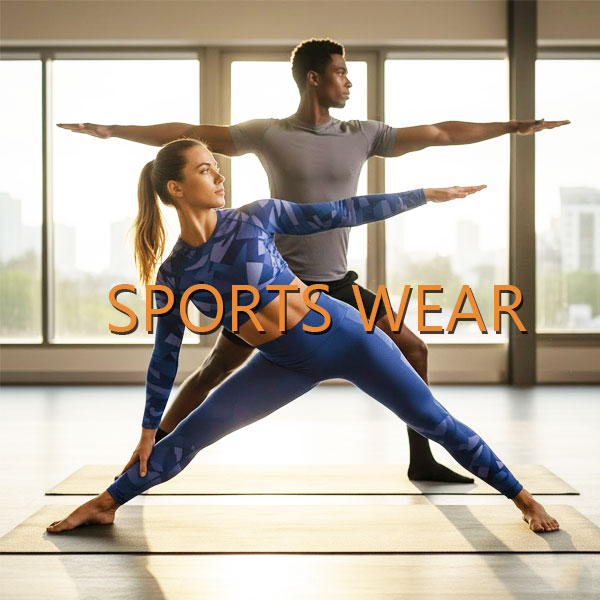
Activewear fit changes under stretch and movement. Evaluate garment ease, opacity, waistband and elastic behavior, compression zones, chafing points, seam extension, recovery, support, pocket security, and grading. Test dimensional change, colorfastness, pilling, abrasion, stretch and recovery, seam performance, print durability, and any moisture, UV, odor, recycled-content, or compression claim.
Development sequence
- Approve fabric and trim options against price and performance targets.
- Review prototype and fit sample on the intended body or fit model.
- Approve lab dips, prints, decoration, size set, and wash or finish standards.
- Confirm pre-production sample, sealed specifications, test plan, and packing.
- Use first-output, in-line, and final inspection before shipment.
- Measure sell-through and returns before expanding colors or styles.
Compare total cost, not unit price
Add development, patterns, grading, samples, fabric surcharges, trims, decoration, labels, testing, inspection, packing, freight, duty, payment fees, defects, and excess materials. Record payment terms, Incoterm, quote validity, reorder conditions, and who owns patterns, tooling, and artwork.
FAQ
What is a good MOQ for a small activewear brand?
There is no universal number. A good MOQ fits demand while meeting fabric, dye-lot, trim, process, and production-line constraints.
Should a startup choose private label or custom manufacturing?
Private label is faster and less distinctive; custom manufacturing offers control but needs more development, testing, time, and working capital.
Can one factory make every activewear style?
Rarely with equal strength. Verify machinery and experience for each category, construction, material, and performance requirement.
How should a small brand reduce risk?
Launch a focused pilot with stock materials where suitable, clear specifications, staged approvals, testing, inspection, and realistic reorder planning.
Official reference
The FTC textile-labeling guide explains U.S. fiber, origin, responsible-business, and recordkeeping requirements.