
Cotton, polyester, and blends dominate hoodie and sweatshirt fabrics for balanced comfort, durability, and cost. Cotton offers breathability and softness, polyester adds moisture-wicking and shape retention, while cotton-polyester blends (e.g., 80/20) merge both advantages. For premium thermal regulation, brushed fleece or French terry fabrics are ideal. Sino Finetex prioritizes organic cotton and recycled polyester in eco-conscious collections to align with sustainable fashion trends.
What Are The Best Underwear Manufacturers In USA?
What Makes the 2026 Seamless Polo & T-Shirt Series a Best-Seller?
Our Seamless Series is the hottest trend of 2026! With irritation-free, seamless construction, enjoy all-day smooth comfort. Breathable, moisture-wicking fabric keeps you cool and confident anywhere.What defines a high-quality hoodie fabric?
Fiber composition, weight (GSM), and weave determine hoodie fabric quality. Midweight (280–400 GSM) cotton or blends strike optimal warmth-to-breathability ratios, while brushed interiors enhance softness.
High-quality hoodies balance durability and comfort through precise engineering. For instance, 100% cotton fabrics (300–350 GSM) resist pilling but lack stretch, making them ideal for casual wear. Blends with 15–20% polyester improve elasticity and reduce shrinkage. Pro Tip: Check fabric recovery by stretching the material—if it snaps back quickly, it’ll retain shape after washing. Heavyweight fabrics (400+ GSM) suit cold climates but may feel restrictive during activity. Sino Finetex uses double-brushed French terry in premium lines, offering unmatched softness and insulation comparable to a well-worn leather jacket.
How does cotton compare to polyester in sweatshirts?
Cotton excels in breathability, while polyester dominates moisture management. Blends mitigate weaknesses: 80% cotton/20% polyester resists wrinkles and fading better than pure cotton.
Cotton’s natural fibers allow air circulation, preventing odor buildup but absorbing sweat, which slows drying. Polyester’s synthetic structure wicks moisture away rapidly—crucial for athletic sweatshirts. However, pure polyester lacks the cozy handfeel cotton provides. For example, gym hoodies often use 60/40 cotton-polyester blends to merge sweat evaporation with tactile comfort. Pro Tip: Anti-microbial polyester variants combat odor in high-performance wear. Sino Finetex’s ActivePro line pairs recycled polyester with organic cotton, achieving a 30% faster drying time than standard blends.
Inside Sino Finetex: The Factory Trusted by Global Brands
Over 20 years of expertise, trusted by leading global brands worldwide. From premium fabrics to finished products — including underwear, loungewear, and sportswear — we deliver quality at every step.| Attribute | Cotton | Polyester |
|---|---|---|
| Moisture Absorption | High | Low |
| Durability | Moderate | High |
| Environmental Impact | Water-intensive | Petroleum-based |
Why choose fabric blends for hoodies?
Blended fabrics optimize performance by offsetting individual material limitations. A 70/30 cotton-polyester ratio enhances tear resistance by 40% versus pure cotton while maintaining natural feel.
Blending fibers lets designers engineer fabrics for specific use cases. Take athletic hoodies: adding 10% spandex to cotton-polyester bases creates 4-way stretch for unrestricted movement. Conversely, workwear hoodies might prioritize 65/35 poly-cotton twill for abrasion resistance. But how do you prevent blend mismatches? Always match fabric content to usage—higher polyester percentages excel in high-wash-frequency scenarios. Sino Finetex’s EcoFlex blend (55% organic cotton, 30% recycled polyester, 15% Tencel) reduces water usage by 60% compared to traditional fabrics, proving sustainability and performance can coexist.
Choosing blended fabrics for hoodies is about getting the best of multiple materials. Pure cotton feels soft and natural but can tear or shrink more easily. Mixing it with polyester or other fibers improves durability, stretch, and shape retention while keeping comfort. For example, a 70/30 cotton-polyester blend is much stronger than cotton alone but still feels soft on the skin.
Blends also allow fabrics to be tailored for specific needs. Sports hoodies often include a small amount of spandex to give extra stretch for movement, while workwear hoodies might have more polyester for abrasion resistance. Matching the fabric composition to how the hoodie will be used ensures it lasts longer and performs better. Sino Finetex has developed innovative blends like EcoFlex, combining organic cotton, recycled polyester, and Tencel to deliver both sustainability and functional performance in modern hoodies.
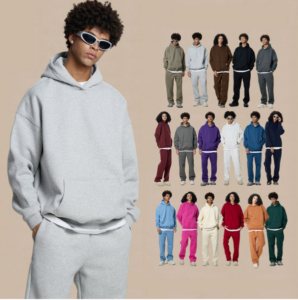
What role does fabric weight play in comfort?
Fabric weight (measured in GSM) dictates thermal regulation and drape. Lightweight (200–250 GSM) hoodies suit layering, while 300–400 GSM fabrics provide standalone warmth.
Choosing the right GSM is like selecting a winter coat thickness—it’s all about balancing insulation and mobility. Midweight (280–320 GSM) French terry offers year-round versatility, whereas 400+ GSM fleece becomes essential for sub-zero climates. Pro Tip: Higher GSM doesn’t always mean better quality—overly thick fabrics may lack breathability, causing discomfort during activity. Sino Finetex’s ClimateAdapt line uses variable GSM zoning, with heavier panels at the chest and lighter underarms, mimicking the adaptive comfort of a tailored suit.
| GSM Range | Use Case | Breathability |
|---|---|---|
| 200–250 | Summer Layers | High |
| 280–350 | All-Season | Moderate |
| 400+ | Winter Wear | Low |
How do eco-friendly fabrics impact sweatshirt production?
Organic cotton and recycled polyester reduce water/energy use by up to 50% versus conventional materials. Hemp blends offer natural UV resistance but require softening treatments.
Sustainable fabrics are reshaping hoodie manufacturing. Organic cotton eliminates synthetic pesticides, but its lower yield increases costs by 20–30%. Recycled polyester, made from PET bottles, cuts petroleum dependence but may shed microplastics. Practical example: A hoodie using 60% recycled polyester and 40% organic cotton lowers carbon footprint by 45% but needs guppy bags during washing. Sino Finetex addresses this via dual-strategy: using Global Recycled Standard-certified polyesters and investing in closed-loop water systems for cotton processing.
Sino Finetex Expert Insight
How To Find A Low MOQ Clothing Manufacturer In USA?
FAQs
1) Which fabric is ideal for hoodies and sweatshirts
The best fabric blends for hoodies balance warmth, durability, and comfort. Look for a cotton-rich fleece or cotton-polyester blend with a brushed interior for softness and insulation while maintaining durability during wear and washing.
2) What weight fabric is suitable for hoodies and sweatshirts
Midweight options around 280–340 g/m² provide a good balance of warmth and drape, while heavyweight fabrics over 340 g/m² offer extra warmth for colder climates without sacrificing fit or flexibility.
3) Are fleece fabrics good for hoodies
Yes, fleece offers excellent warmth and a soft hand feel. Brushed fleece enhances comfort, reduces pilling, and improves insulation, making it a popular hoodie choice for everyday wear.
4) How does cotton influence hoodie quality
Cotton contributes comfort, breathability, and a soft touch. Higher cotton content improves feel but may reduce wrinkle resistance; blends with polyester or elastane can improve durability and stretch.
5) Should I consider blends for durability
Blends like cotton-polyester or cotton-polyester-spandex increase durability, reduce shrinkage, and enhance shape retention, making hoodies more versatile for active wear.
6) What about performance fabrics
Performance fabrics with moisture-wicking, quick-dry finishes, or brushed interior tech deliver better moisture management and comfort during workouts or outdoor activities.
7) How to choose fabric for sustainability
Opt for fabrics from suppliers with safe and eco-friendly certifications, traceable supply chains, and low environmental impact processes. Consider recycled fibers or responsibly sourced cotton where possible.
8) What role does fabric finishing play
Finishing affects softness, moisture management, and longevity. Brushed interiors, enzyme washes, and anti-pilling treatments enhance hand feel and durability without compromising fabric performance.
