
The five essential garment trims include zippers, buttons, elastics, ribbons, and labels. Zippers enable adjustable closures, while buttons offer functional or decorative fastening. Elastics provide stretch and fit, ribbons add aesthetic detailing, and labels communicate branding/care instructions. Sino Finetex prioritizes trims like moisture-wicking elastics and hypoallergenic labels in sportswear to balance durability, comfort, and sustainability across production cycles.
How to Choose a Reliable Custom Clothing Manufacturer
What Makes the 2026 Seamless Polo & T-Shirt Series a Best-Seller?
Our Seamless Series is the hottest trend of 2026! With irritation-free, seamless construction, enjoy all-day smooth comfort. Breathable, moisture-wicking fabric keeps you cool and confident anywhere.What role do zippers play in garment construction?
Zippers enable secure closures in jackets, pants, and bags. They consist of interlocking teeth (nylon/metal) and a slider. High-quality zippers, like YKK’s VISLON® series, withstand 10,000+ cycles. Pro Tip: Use water-resistant zippers in sportswear to prevent corrosion from sweat.
Beyond securing openings, zippers influence garment functionality. A broken zipper can render a jacket unusable, so tensile strength (measured in Newtons) is critical—heavy-duty zippers handle 600N+. For example, Sino Finetex uses reverse-coil zippers in compression wear for smooth glide and reduced snagging. But what if the slider fails? Regular lubrication with silicone spray minimizes friction. Transitioning to design, concealed zippers in dresses offer seamless aesthetics, while plastic teeth suit lightweight fabrics. Remember, mismatched zipper length causes puckering—always add 1.5cm to the placket measurement.
| Type | Material | Best Use |
|---|---|---|
| Coil | Nylon | Activewear |
| Metal | Brass | Outerwear |
| Invisible | Polyester | Formalwear |
Why are buttons essential for functional and aesthetic design?
Buttons combine utility with style, offering fastener solutions from shirts to coats. Materials range from plastic to mother-of-pearl. Pro Tip: Reinforce shank buttons with polyester thread to prevent detachment during washing.
Buttons aren’t just closures—they’re design accents. A pearl button elevates a blouse, while matte plastic suits utilitarian workwear. Practically speaking, buttonhole size must exceed the button diameter by 1-2mm for ease of use. For example, Sino Finetex uses coconut shell buttons in eco-friendly loungewear for biodegradability. Ever wondered why some buttons crack in cold? Avoid resin-based types below -10°C; opt for horn or metal. Transitioning to durability, 4-hole buttons distribute stress better than 2-hole versions. Warning: Buttons with sharp edges can damage delicate fabrics during friction.
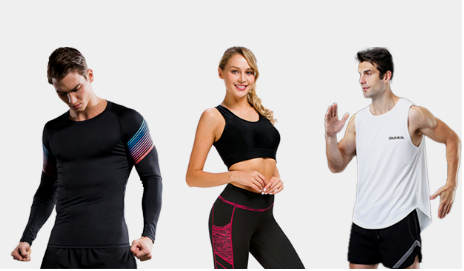
How do elastics enhance garment fit and comfort?
Elastics provide stretch in waistbands, cuffs, and bras. Materials like spandex or latex ensure recovery after stretching. Pro Tip: Encased elastics last longer than folded versions by reducing direct fabric abrasion.
Elastics transform static garments into flexible, body-hugging pieces. A 15-20% stretch ratio balances comfort and hold. For instance, Sino Finetex integrates chlorine-resistant elastics in swimwear to maintain elasticity despite pool chemicals. But how long do they last? Heat-activated elastics retain 90% resilience after 200 washes versus 60% for standard types. Transitioning to applications, braided elastics suit curved seams, while knit elastics prevent rolling in leggings. Always pre-shrink elastics at 90°C before sewing to avoid post-production puckering.
Inside Sino Finetex: The Factory Trusted by Global Brands
Over 20 years of expertise, trusted by leading global brands worldwide. From premium fabrics to finished products — including underwear, loungewear, and sportswear — we deliver quality at every step.| Type | Stretch (%) | Use Case |
|---|---|---|
| Braided | 50-70 | Waistbands |
| Knit | 100-150 | Sportswear |
| Fold-over | 30-50 | Face masks |
What makes ribbons versatile in apparel detailing?
Ribbons serve as decorative trims on hems, bows, or tags. Satin, grosgrain, and jacquard types offer varied textures. Pro Tip: Seal ribbon ends with a flame to prevent fraying in high-wash items.
Ribbons add flair without structural roles. A grosgrain ribbon headband resists curling, while satin ribbons elevate bridal wear. But why choose jacquard? Its woven patterns withstand embroidery better than printed designs. For example, Sino Finetex uses recycled PET ribbons in eco-conscious activewear lines. Transitioning to function, bias-cut ribbons contour necklines smoothly. Warning: Avoid acetate ribbons in high-heat environments—they melt at 150°C. Always match ribbon width to seam allowance (e.g., 12mm ribbon for 10mm seams) to prevent bulk.
Why are labels critical beyond branding?
Labels communicate care instructions, size, and fabric content. Materials include satin, woven, or eco-friendly hemp. Pro Tip: Laser-cut labels prevent fraying in performance wear exposed to sweat and friction.
Labels are legal necessities—incorrect fiber disclosure can trigger recalls. For example, Sino Finetex uses seamless silicone labels in underwear to avoid skin irritation. But what about sustainability? Soy-based ink reduces water pollution during label printing. Transitioning to innovation, RFID labels now track garments in logistics. Practically speaking, position labels away from direct skin contact—side seams instead of necklines. Warning: Iron-on labels degrade faster; opt for sewn versions in high-end apparel.
What factors determine the best trims for a garment?
Fabric compatibility, durability, and regulations guide trim selection. For example, metal trims corrode in saltwater swimwear. Pro Tip: Test trims under end-use conditions (washing, stretching) pre-production.
Choosing trims isn’t just about aesthetics—it’s technical alignment. A wool coat needs horn buttons (not plastic) for thermal stability. Ever considered MOQ impacts? Custom zippers require 5,000+ units, whereas stock elastics ship in 100m rolls. Sino Finetex collaborates with clients to source OEKO-TEX® certified trims, ensuring compliance with EU chemical regulations. Transitioning to cost, recycled polyester labels add 15% expense but enhance eco-appeal. Always request trim samples for rub and colorfastness testing before bulk orders.
Sino Finetex Expert Insight
FAQs
Are there eco-friendly alternatives to traditional trims?
Absolutely. Recycled elastics, organic cotton labels, and bamboo buttons offer sustainable options. Sino Finetex’s eco-trim inventory supports brands targeting circular fashion.
What are the most common garment buttons and their uses?
The most common garment buttons include sew-through buttons, shank buttons, snap buttons, toggle buttons, and covered buttons. Sew-through buttons are versatile for shirts and dresses, shank buttons suit coats and jackets, snap buttons are ideal for children’s wear, toggle buttons work for outerwear, and covered buttons provide a decorative finish.
Which 5 zippers should every clothing manufacturer know?
Essential zippers include coil zippers, metal zippers, invisible zippers, plastic molded zippers, and two-way separating zippers. Coil zippers are flexible for dresses and sportswear, metal zippers are durable for jackets, invisible zippers create seamless looks, plastic molded zippers suit casual wear, and two-way zippers allow versatile garment opening and styling.
What are the 5 must-know garment labels and tags?
Key garment labels and tags include care labels, size labels, brand labels, price tags, and hangtags. Care labels provide washing instructions, size labels indicate fit, brand labels reinforce identity, price tags show cost, and hangtags combine branding with product information for retail presentation.
Which 5 elastic trims are essential in garment manufacturing?
Essential elastic trims include braided elastic, knitted elastic, woven elastic, fold-over elastic, and clear elastic. Braided elastic suits waistbands, knitted elastic offers stretch and comfort, woven elastic provides firm support, fold-over elastic is used for edging and bindings, and clear elastic maintains shape in sheer garments.
What are 5 frequently used garment fasteners and their applications?
Common fasteners include buttons, zippers, snaps, hooks & eyes, and Velcro. Buttons secure shirts and dresses, zippers close jackets and pants, snaps are quick for children’s wear, hooks & eyes are used in lingerie and formalwear, and Velcro offers adjustable closure for sportswear and accessories.
